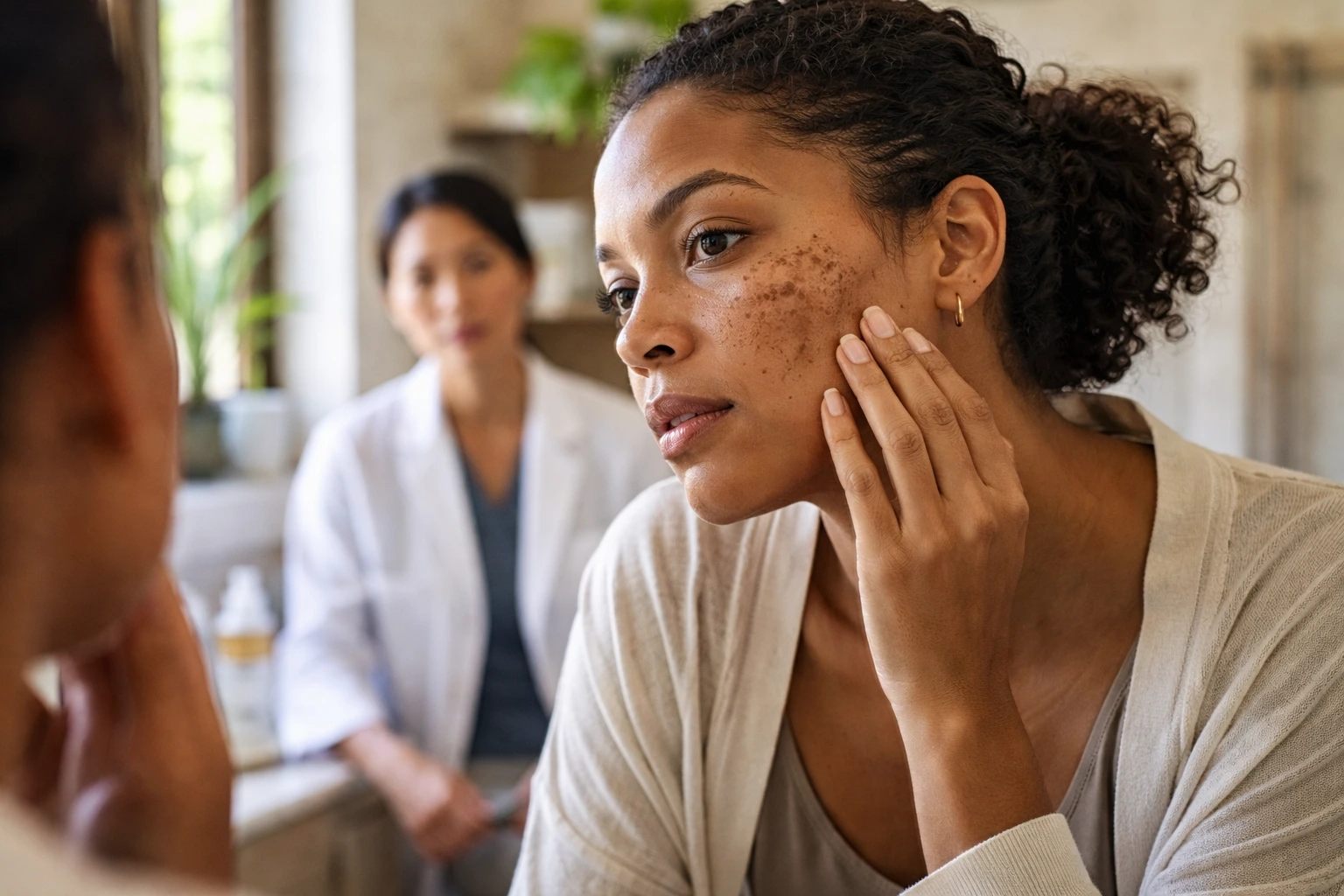
That burning, tingling sensation spreading across your skin followed by a painful rash that won’t quit is your body screaming that something is seriously wrong, and shingles rash symptoms are exactly what you need to understand right now.
Spotting the early signs
The tricky part about shingles is that it doesn’t always announce itself with a rash right away. Many young adults miss the initial warning signs because they’re subtle and easy to dismiss. You might feel a sharp, burning pain in a specific area of your body, or notice tingling and itching that feels almost like pins and needles under your skin. This phase can last anywhere from a few days to a week before the actual rash appears. Pay attention to sensations that feel localized to one side of your body, because shingles almost always stays on one side. Within days, red patches develop and quickly transform into fluid-filled blisters that cluster together in a band or strip pattern. Some people describe the sensation as feeling like their skin is on fire, while others report a dull, persistent ache. The key is recognizing these early signals before the rash fully develops, because starting treatment early makes a significant difference in how quickly you recover and how severe your symptoms become.
- Pain or discomfort in a localized area
- Red patches of skin that turn into fluid-filled blisters
- Sensitive skin to touch or clothing
Managing discomfort
Once the rash appears, managing the pain and itching becomes your priority. Cool compresses are your first line of defense, and applying them for 15 to 20 minutes at a time can numb the area and reduce inflammation significantly. Think of it like giving your skin immediate relief when the burning sensation peaks. Oatmeal baths are surprisingly effective because colloidal oatmeal contains compounds that soothe irritated skin and reduce itching naturally. Fill your tub with lukewarm water, add finely ground oatmeal, and soak for 15 to 20 minutes. Over-the-counter pain relievers like ibuprofen or acetaminophen can help manage the discomfort when it becomes unbearable, though you should follow dosage instructions carefully. Equally important is protecting the affected area from friction. Wear loose-fitting clothing made from soft, breathable fabrics like cotton. Avoid tight jeans, rough wool sweaters, or anything that rubs against the rash. Many people find that keeping the area clean and dry, while avoiding heavy lotions or creams unless recommended by a doctor, speeds up healing. Some young adults also find relief by keeping the area uncovered when possible to allow air circulation.
📘 Fix your day in under 2 minuteschoose where to begin:
Preventing complications
While most cases of shingles resolve within two to four weeks, complications can extend your suffering significantly. The most common complication is postherpetic neuralgia, or PHN, which causes persistent nerve pain that lingers long after the rash disappears. Imagine dealing with burning pain for months or even years after the blisters have healed, which is exactly what happens to some people who don’t manage their shingles aggressively. This is why seeking medical attention early matters so much. A healthcare provider can prescribe antiviral medications like acyclovir or valacyclovir, which are most effective when started within 72 hours of the rash appearing. These medications reduce the severity of symptoms and significantly lower your risk of developing PHN. Other potential complications include bacterial infections if you scratch the blisters, vision problems if the rash affects your eye area, or neurological complications if the virus spreads. Young adults sometimes underestimate shingles because they think it only affects older people, but that assumption can lead to delayed treatment and preventable complications. Taking it seriously from day one protects you from months of unnecessary pain.
Boosting recovery
Your body is fighting a viral infection, so supporting your immune system becomes essential during recovery. Getting adequate sleep is non-negotiable because your immune system does most of its repair work while you rest. Aim for seven to nine hours nightly, and don’t hesitate to take naps if you need them. Your diet matters too, so prioritize foods rich in vitamin C, vitamin E, and zinc, which all support immune function. Think citrus fruits, leafy greens, nuts, and lean proteins. Staying hydrated helps your body flush out toxins and supports cellular repair, so drink water consistently throughout the day. Stress management is equally critical because stress suppresses immune function and can actually worsen shingles symptoms. Young adults often juggle work, school, and social obligations, but during shingles recovery, you need to give yourself permission to slow down. Meditation, gentle yoga, deep breathing exercises, or simply spending quiet time can reduce stress hormones and allow your body to focus on healing. Some people find that keeping a consistent routine, even a simplified one, helps them feel more in control and less anxious about their recovery timeline.
Seeking professional help
Knowing when to contact a healthcare provider is crucial because some situations require immediate medical attention. If your pain becomes severe and over-the-counter medications don’t help, a doctor can prescribe stronger pain management options. If the rash appears near your eye or spreads across your eyelid, seek care immediately because shingles affecting the eye can cause vision problems or permanent damage. If you have a weakened immune system due to HIV, cancer treatment, or immunosuppressive medications, contact your doctor as soon as you suspect shingles because you’re at higher risk for complications. If you develop signs of bacterial infection like increasing redness, warmth, or pus-filled blisters, that also warrants medical evaluation. Additionally, if you’re over 50 or have significant risk factors, your doctor might recommend the shingles vaccine after your infection clears to prevent future episodes. Don’t wait and hope the symptoms improve on their own if any of these situations apply to you. Early professional intervention can mean the difference between a manageable two-week illness and months of chronic pain.
Recognizing shingles rash symptoms early and taking swift action puts you in control of your recovery. From spotting the tingling and burning sensations before the rash fully develops to managing discomfort with cool compresses and loose clothing, understanding each step of the process helps you heal faster and avoid complications. Protecting yourself from postherpetic neuralgia by seeking medical care within 72 hours, supporting your immune system through rest and nutrition, and knowing when professional help is necessary all work together to get you back to normal. Young adults who take shingles seriously from the start experience shorter recovery times and fewer long-term problems.
How long does a shingles rash typically last?
A shingles rash usually lasts between 2 to 4 weeks. However, some individuals may experience lingering pain for months or even years after the rash heals, a condition known as postherpetic neuralgia.
Can shingles be prevented?
The shingles vaccine is highly effective in reducing the risk of developing shingles. It is recommended for adults aged 50 years and older, even if they have previously had shingles.
Disclaimer: This article is for informational purposes only and is not a substitute for professional medical advice. Always consult a healthcare professional for personal guidance.
This guide has been prepared and reviewed by the GlobalHealthBeacon editorial team and reflects current medical research as of 2026. It provides structured, evidence-based information to support informed health decisions.
