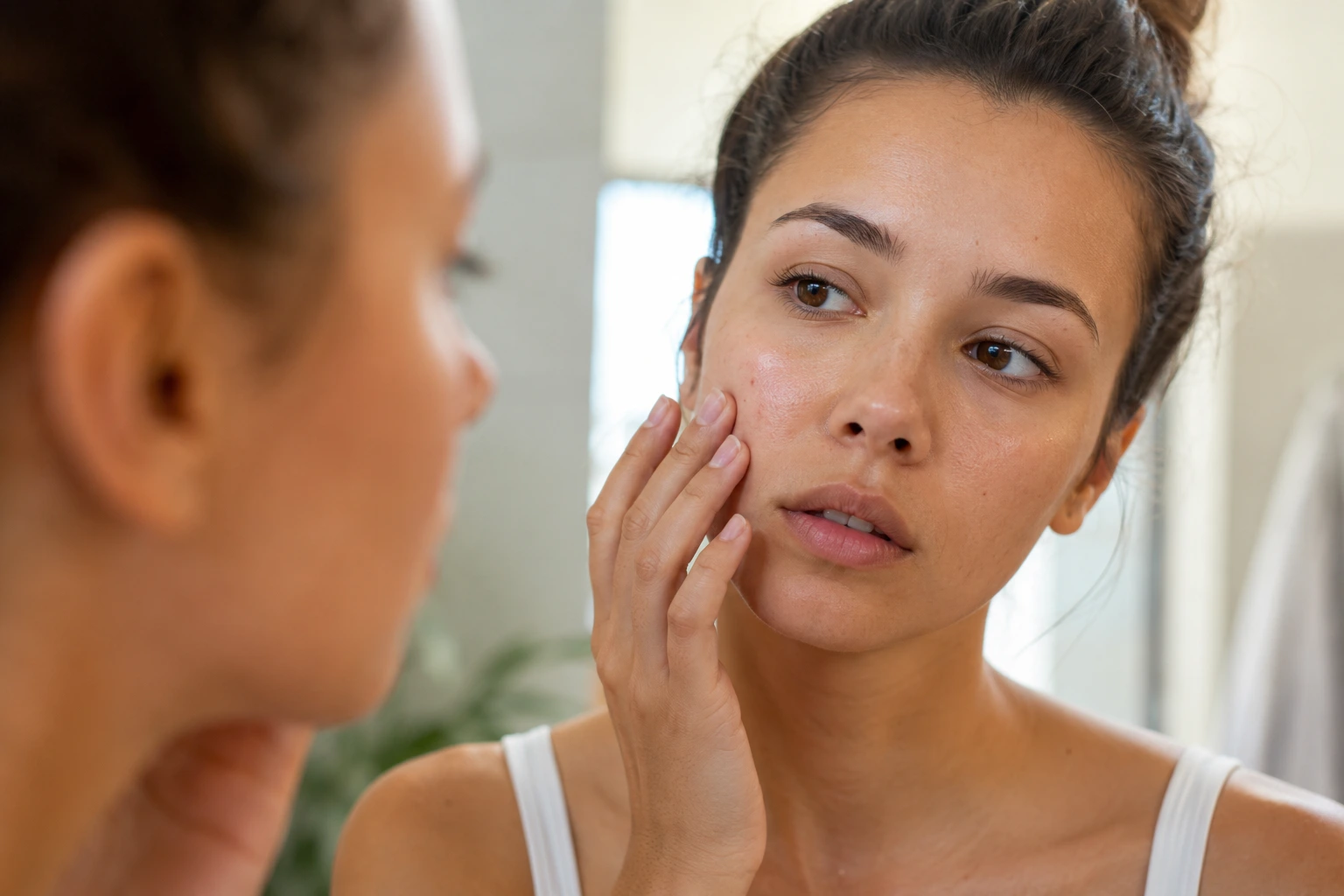
Your skin feels tight, itchy, and reactive to everything you touch, and you have no idea why it suddenly turned into a sensitive mess that stings when you wash your face, but understanding your skin barrier repair routine is exactly what will turn this around.
Understanding the skin barrier
Your skin barrier is essentially a protective wall made up of lipids, proteins, and water that sits on the outermost layer of your skin. Think of it like a brick and mortar structure where skin cells are the bricks and lipids are the mortar holding everything together. This barrier does critical work: it keeps moisture locked in and prevents harmful bacteria, pollutants, and irritants from penetrating deeper into your skin. When your barrier is functioning properly, your skin looks plump, feels smooth, and maintains its natural glow. Young adults often take their skin barrier for granted until something disrupts it. Whether its aggressive exfoliation, using too many active ingredients at once, or environmental stress, a weakened barrier becomes your skin’s worst enemy. The barrier controls your skin’s pH balance, regulates hydration, and protects against free radical damage. Without it working properly, your skin becomes vulnerable and reactive.
- Hydrate your skin regularly to maintain its natural moisture balance.
- Avoid harsh skincare products that can strip away the protective oils from your skin.
- Protect your skin from sun damage by using SPF daily.
Identifying skin barrier damage
A damaged skin barrier sends clear signals that something is wrong. You might notice persistent redness that doesn’t fade, intense dryness that lotions can’t seem to fix, or a tight feeling even after moisturizing. Some people experience increased sensitivity where products they used for months suddenly sting or burn. Inflammation and itching are common red flags, as is a rough texture that feels sandpapery to the touch. You might also notice your skin becoming oily and dehydrated at the same time, which happens because your barrier is trying to compensate by overproducing sebum. Breakouts can increase because bacteria finds it easier to penetrate a compromised barrier. Pay attention to when these symptoms started. Did you introduce a new retinoid? Switch to a stronger cleanser? Use an exfoliating acid too frequently? Recognizing the timeline helps you identify what damaged your barrier so you can stop doing it immediately. Don’t ignore these signals thinking they will pass on their own.
📘 Fix your day in under 2 minuteschoose where to begin:
Choosing the right skincare products
When your barrier is compromised, simplicity becomes your best friend. Swap your multi-step routine for a minimal approach focused on repair. Look for gentle, fragrance-free cleansers that won’t strip your skin further. Avoid sulfates and foaming agents that create that squeaky-clean feeling which actually indicates you are removing essential oils. Ceramides are your hero ingredient because they literally rebuild the lipid matrix of your barrier. Hyaluronic acid draws moisture into your skin and holds it there, addressing the dehydration that comes with barrier damage. Niacinamide reduces inflammation, strengthens your barrier function, and regulates sebum production. Centella asiatica soothes irritation and supports healing. Avoid anything with fragrance, essential oils, alcohol, or strong actives like vitamin C, retinoids, or acids until your barrier recovers. Read ingredient lists carefully. A product labeled gentle might still contain irritating ingredients. Patch test new products on a small area first. Your goal is to feed and protect, not treat or transform.
Establishing a repair routine
Your barrier repair routine should be stripped down and laser-focused. Morning routine: rinse with lukewarm water or use a gentle cleanser, apply a hydrating toner or essence if desired, follow with a ceramide-rich moisturizer, and finish with broad-spectrum SPF 30 or higher. Evening routine: cleanse gently with a milk or cream cleanser, apply a hydrating toner, use a barrier-repair moisturizer or serum containing ceramides and niacinamide, and consider a richer night cream to lock everything in. That is it. No actives, no exfoliation, no multi-masking. Consistency matters more than complexity. Your skin needs time to rebuild, typically two to four weeks before you notice significant improvement. Some people see results faster, others take longer depending on how damaged their barrier is. Avoid changing products frequently or experimenting during this repair phase. Stick with your chosen routine even when you are tempted to add something. Keep your water intake high, get adequate sleep, and manage stress because these lifestyle factors directly impact skin healing.
Maintaining a healthy skin barrier
Once your barrier has recovered, maintaining it becomes your priority. Continue using barrier-supporting products even when your skin feels better because prevention is easier than repair. Stay hydrated by drinking enough water daily. Eat a balanced diet rich in antioxidants, omega-3 fatty acids, and vitamins that support skin health. Foods like fatty fish, leafy greens, berries, and nuts all contribute to barrier strength. Protect yourself from sun damage with daily SPF because UV exposure degrades the lipids in your barrier. Avoid smoking and limit alcohol consumption as both dehydrate skin and accelerate barrier breakdown. Sleep matters more than you think because skin repair happens primarily at night. Manage stress through exercise, meditation, or whatever works for you because chronic stress triggers inflammation that weakens your barrier. Be mindful of your climate. Dry environments require more moisturizing. Humid climates might need lighter products. Adjust seasonally. Think of barrier maintenance like maintaining a car: regular care prevents expensive repairs later.
Repairing your skin barrier starts with understanding what it does and why it matters. Recognize the signs of damage early so you can take action before things get worse. Choose products with barrier-supporting ingredients like ceramides and niacinamide while avoiding irritants. Build a simple, consistent routine and give it time to work. Once recovered, maintain your barrier through smart product choices, sun protection, hydration, nutrition, and healthy lifestyle habits. Your skin barrier is not something to neglect once it heals. Treat it as an ongoing priority.
How long does it take to repair a compromised skin barrier?
Repair time varies based on severity. Mild damage typically improves in two to four weeks with consistent care. Moderate damage may take six to eight weeks. Severe barrier damage can take three months or longer. Factors like age, genetics, climate, and how well you stick to your routine all influence healing speed. Be patient and avoid the urge to add active ingredients before your barrier is fully recovered.
Can lifestyle choices affect skin barrier health?
Absolutely. Diet, hydration, sleep quality, stress levels, sun exposure, and habits like smoking directly impact your barrier. A diet rich in healthy fats and antioxidants supports barrier function. Dehydration weakens it. Poor sleep prevents skin repair. Chronic stress triggers inflammation. Sun damage degrades lipids. Smoking accelerates aging. These factors work together, so optimizing your lifestyle amplifies your skincare efforts.
Disclaimer: This article is for informational purposes only and is not a substitute for professional medical advice. Always consult a healthcare professional for personal guidance.
This guide has been prepared and reviewed by the GlobalHealthBeacon editorial team and reflects current medical research as of 2026. It provides structured, evidence-based information to support informed health decisions.
