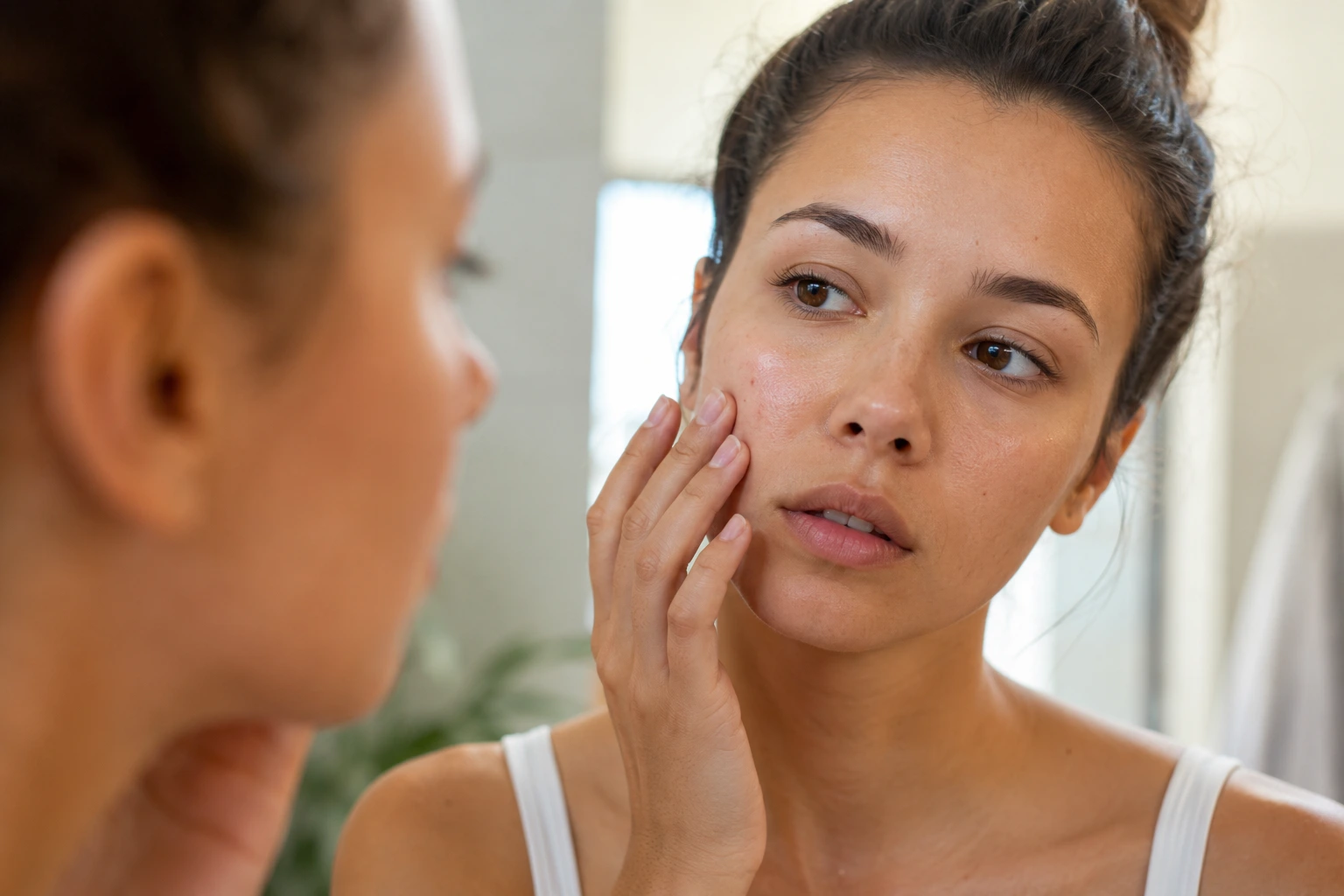
Your skin feels tight, itchy, and reactive to everything you touch, and you’re tired of products that promise miracles but leave you worse off than before, so it’s time to understand what your skin barrier actually needs and build a skin barrier repair routine that actually works for aging skin.
The aging skin barrier
As we move through our sixties, seventies, and beyond, the outermost layer of our skin undergoes a gradual but measurable transformation. The skin barrier, which functions like a protective wall keeping moisture locked in and irritants locked out, becomes thinner and less efficient. This happens because the body produces fewer lipids, the fatty substances that cement skin cells together and maintain that crucial moisture seal. At the same time, the rate at which new skin cells are produced slows considerably. A 25-year-old’s skin completely renews itself roughly every 28 days, but by age 65, this cycle can stretch to 40 days or longer. Additionally, the immune system’s response in the skin weakens, making the barrier more vulnerable to environmental stressors. Think of it like a brick wall where the mortar between bricks gradually crumbles and fewer new bricks are being made to replace damaged ones. The result is increased dryness, sensitivity, and a skin surface that feels rough or uncomfortable.
Factors affecting skin barrier function
The skin barrier doesn’t age in isolation. Multiple internal and external forces work together to compromise its integrity in seniors. Chronic health conditions like diabetes or thyroid disorders can alter how the skin produces and maintains protective lipids. Medications, particularly diuretics or certain blood pressure drugs, can increase water loss through the skin. UV exposure accumulated over decades creates cumulative damage to the barrier’s structural proteins. Even everyday habits matter: taking hot showers, using harsh soaps, or living in dry climates accelerates moisture loss. Environmental pollutants, indoor heating systems, and low humidity in winter months all extract water from the skin. Stress hormones can trigger inflammatory responses that further weaken the barrier. Consider Margaret, a 68-year-old who noticed her skin became increasingly reactive after starting a new medication for arthritis. What seemed like sudden sensitivity was actually a combination of the medication’s side effects plus years of sun exposure finally catching up with her barrier function. Understanding these overlapping factors helps explain why a one-size-fits-all approach rarely works for aging skin.
Effective strategies for skin barrier repair
Repairing and maintaining the skin barrier requires a consistent, multi-layered approach rather than relying on any single product. The foundation starts with how you cleanse. Lukewarm water and a gentle, fragrance-free cleanser remove dirt and oil without stripping away the protective lipid layer. After cleansing, the skin is most receptive to hydration, so applying a moisturizer within three minutes locks in water before it evaporates. Look for ingredients like ceramides, which are the actual lipids your barrier needs, and niacinamide, which helps the skin produce its own protective oils. Hyaluronic acid draws moisture into the skin, while glycerin acts as a humectant to bind water to the skin surface. Sun protection is non-negotiable because UV damage breaks down the collagen and elastin that support barrier structure. A broad-spectrum sunscreen with SPF 30 or higher should be applied daily, even on cloudy days. Many seniors benefit from using a heavier occlusive product like a facial oil or rich cream at night to prevent overnight moisture loss. The key is consistency, not perfection, because the barrier rebuilds gradually over weeks and months.
- Choose a mild, fragrance-free cleanser to avoid stripping the skin of essential oils.
- Incorporate a rich moisturizer with ingredients like hyaluronic acid to hydrate and repair the skin barrier.
- Use a broad-spectrum sunscreen with an SPF of 30 or higher to protect against UV damage.
🔬 Science-backed benefits in 2 minuteschoose where to begin:
Nutrition and skin barrier health
What you eat directly influences how your skin barrier functions because the body uses dietary nutrients to synthesize lipids, maintain collagen, and fight inflammation. Omega-3 fatty acids found in salmon, sardines, and mackerel are structural components of cell membranes, including skin cells. Antioxidants like vitamin C from citrus fruits and vitamin E from nuts help protect against oxidative stress that damages barrier proteins. Zinc, abundant in seeds and legumes, is essential for skin cell turnover and immune function. Collagen-supporting amino acids come from protein sources like eggs, Greek yogurt, and poultry. Hydration matters too, though the idea that drinking eight glasses of water directly plumps skin is oversimplified. What matters is consistent fluid intake that supports overall cellular function. A 72-year-old man with persistently dry skin discovered that adding a daily serving of avocado and increasing his water intake alongside his skincare routine made a noticeable difference within six weeks. The barrier repair happens from the inside out as much as from topical applications, which is why dermatologists emphasize that skincare is only half the equation.
Avoiding common skin barrier disruptors
Even with a solid routine, certain habits can undo your progress. Hot water feels soothing but opens pores and accelerates moisture evaporation, so lukewarm showers are better for barrier health. Harsh or heavily fragranced products, including some popular brands marketed as anti-aging, contain surfactants and alcohols that strip the protective lipid layer. Over-exfoliation is a common mistake seniors make, thinking that removing dead skin will improve appearance, but excessive scrubbing or chemical exfoliants used too frequently damage the barrier further. Environmental factors like indoor heating in winter or air conditioning in summer create low-humidity conditions that pull moisture from skin. Smoking and excessive alcohol consumption impair the body’s ability to produce collagen and maintain barrier function. Even stress, which triggers cortisol release, can increase skin inflammation and barrier permeability. Many seniors unknowingly sabotage their barrier by using multiple active ingredients simultaneously, thinking more is better. A gentler approach, where you introduce one product at a time and wait two to three weeks to assess tolerance, prevents irritation and allows you to identify what actually works for your unique skin.
Consulting with a dermatologist
If your skin barrier concerns persist despite a consistent routine, or if you experience severe dryness, persistent redness, or signs of infection, a dermatologist can provide clarity and personalized treatment. Dermatologists can identify underlying conditions like rosacea, seborrheic dermatitis, or contact dermatitis that mimic barrier dysfunction but require different approaches. They can recommend prescription-strength barrier repair products containing ingredients like tacrolimus or ceramide-dominant formulations not available over-the-counter. They can also assess whether medications you’re taking are contributing to skin issues and work with your primary care doctor to find alternatives if needed. For seniors with mobility limitations or difficulty accessing dermatology offices, teledermatology appointments have become increasingly available and allow you to get professional guidance from home. A dermatologist can also rule out conditions requiring medical treatment rather than just skincare adjustments, ensuring you’re addressing the actual root cause rather than just treating symptoms.
The skin barrier changes measurably as we age, losing lipids, slowing cell turnover, and becoming more vulnerable to environmental stress. These changes are normal but manageable through understanding the science behind what’s happening. A targeted skin barrier repair routine centered on gentle cleansing, appropriate hydration with barrier-supporting ingredients, consistent sun protection, and a nutrient-rich diet provides the foundation for healthier, more resilient skin. Avoiding common disruptors like hot water, harsh products, and over-exfoliation protects your progress. When concerns persist despite these efforts, consulting a dermatologist ensures you’re not missing an underlying condition that requires professional treatment. Skin barrier health in seniors is achievable through consistency and informed choices rather than expensive products or complicated routines.
How does aging affect the skin barrier?
Aging reduces the production of essential lipids that cement skin cells together, slows the rate of new cell production from roughly 28 days to 40 days or longer, and weakens the immune response in the skin. These changes create a thinner, more permeable barrier that loses moisture more easily and becomes more reactive to irritants.
What are common disruptors of the skin barrier in seniors?
Hot water, harsh or heavily fragranced skincare products, over-exfoliation, indoor heating and air conditioning, low humidity environments, smoking, excessive alcohol, stress, and certain medications all disrupt the skin barrier. Additionally, using multiple active ingredients simultaneously or introducing new products too quickly can overwhelm a sensitive barrier.
Others also read:
Disclaimer: This article is for informational purposes only and is not a substitute for professional medical advice. Always consult a healthcare professional for personal guidance.
This article has been prepared and reviewed by the GlobalHealthBeacon editorial team and is based on current medical research and published scientific literature available in 2026. It provides structured, evidence-based information to support informed health decisions.
