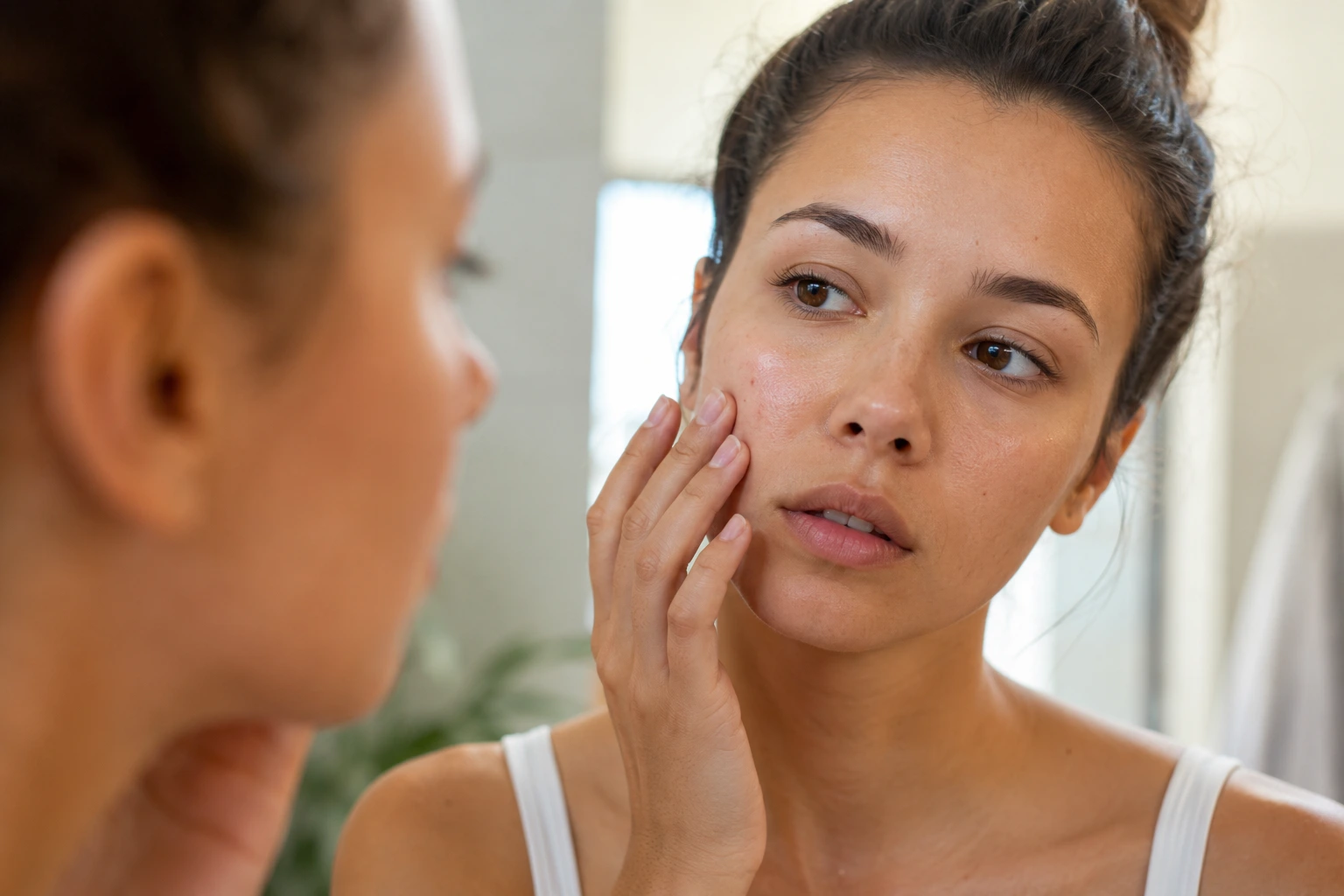
Your skin feels tight, raw, and angry no matter what you slather on it, and you’re exhausted from the endless cycle of irritation and flaking that a skin barrier repair routine is supposed to fix but you’re not even sure will actually work.
Understanding the skin barrier
The skin barrier, also known as the stratum corneum, is essentially your skin’s protective shield against the world. Think of it like the mortar between bricks in a wall. When that barrier is intact, it keeps moisture locked in and irritants locked out. But when it breaks down, everything falls apart. You might notice your skin feeling uncomfortably tight after cleansing, developing red patches that sting when you apply products, or experiencing persistent dryness that no amount of moisturizer seems to touch. Many women describe this feeling as their skin being raw and reactive, almost like it’s been stripped bare. Factors like harsh weather, over-cleansing, aggressive exfoliation, and even stress can weaken this crucial barrier. Understanding what’s happening beneath the surface helps explain why your skin has been acting out and why a targeted approach to barrier repair might be the missing piece you’ve been searching for.
- Maintaining a healthy skin barrier is essential for overall skin health and resilience.
- Factors like harsh weather, excessive cleansing, and genetics can weaken the skin barrier over time.
- Barrier repair products aim to strengthen and repair the skin barrier, restoring its protective function.
Choosing the right products
Walking into a skincare aisle or scrolling through online options can feel paralyzing when you’re looking for barrier repair solutions. The key is knowing what ingredients actually work. Look for ceramides, which are lipids that naturally exist in your skin and help seal moisture in. Fatty acids like linoleic and oleic acid work alongside ceramides to restore the barrier’s structure. Cholesterol rounds out this trio, creating a protective layer. You might also see products featuring hyaluronic acid for hydration, niacinamide for calming inflammation, or centella asiatica for soothing irritated skin. A woman with severely compromised skin might start with a simple moisturizer containing all three barrier-supporting ingredients, then layer a hydrating serum underneath. Avoid products with fragrance, essential oils, or high concentrations of active ingredients like retinol or acids while your barrier is healing. Reading ingredient lists and patch testing new products on a small area first can save you from making things worse.
💬 Ready to feel better in 2 minutes?choose where to begin:
Incorporating barrier repair into your routine
Building a barrier repair routine doesn’t require a complicated multi-step process. Start with a gentle cleanser that doesn’t strip your skin, like a creamy milk cleanser or oil cleanser that removes makeup without harsh surfactants. After cleansing, apply a hydrating serum or essence while your skin is still slightly damp to lock in water. Follow with a rich moisturizer containing those barrier-supporting ingredients we mentioned. At night, you can add an occlusive like a heavier cream or facial oil to seal everything in while you sleep. The consistency matters more than complexity. Many women find that sticking with the same products for at least four to six weeks allows them to see real changes. Common mistakes include switching products too frequently, thinking more steps equals faster healing, or continuing to use irritating products alongside barrier repair products. Give your skin time to recover without introducing new actives or treatments during this healing phase.
The results: Real experiences
Women who commit to a skin barrier repair routine often describe a turning point in their skin journey. One woman might notice that her skin no longer feels tight and uncomfortable after showering within the first week. Another might see the angry redness around her nose and cheeks gradually fade over three to four weeks. Some report that their skin becomes noticeably plumper and more hydrated, with fine lines appearing less pronounced as the skin regains its moisture content. The texture improvements can be striking, with rough, flaky patches smoothing out and becoming soft again. Beyond the physical changes, many women express relief at finally understanding why their skin was struggling and feeling empowered by taking action. The confidence that comes from having calm, comfortable skin again is often just as valuable as the visible improvements. These aren’t overnight miracles, but rather a gradual restoration of your skin’s natural resilience and health.
Your skin barrier is the foundation of everything else in your skincare routine, and when it’s compromised, no amount of serums or treatments can fix the underlying problem. By understanding what a healthy barrier looks like, choosing products with the right ingredients like ceramides and fatty acids, and committing to a simple, consistent routine, you can genuinely restore your skin’s health. The women who have invested in barrier repair report real, lasting improvements in texture, hydration, and overall skin resilience. This isn’t a quick fix, but it’s a genuine solution that addresses the root cause of your skin troubles.
How long does it take to see results from a barrier repair routine?
The timeline for noticing improvements from a barrier repair routine can vary from person to person. Generally, with consistent use of the right products, you may start seeing positive changes in your skin within a few weeks. Some women notice reduced redness and irritation within the first two to three weeks, while more significant texture and hydration improvements typically appear by the four to six week mark. Patience is important because your skin is rebuilding its protective layers, and this process takes time.
Can everyone benefit from a barrier repair routine?
Yes, maintaining a healthy skin barrier is essential for everyone, regardless of skin type. Whether you have dry, oily, combination, or sensitive skin, incorporating barrier repair into your skincare routine can help improve your skin’s overall health and appearance. Even oily skin benefits from a strong barrier, as a compromised barrier can sometimes trigger excess oil production as your skin tries to compensate. The key is choosing lightweight, non-comedogenic products that support barrier health without feeling heavy.
Others also read:
Disclaimer: This article is for informational purposes only and is not a substitute for professional medical advice. Always consult a healthcare professional for personal guidance.
This article presents an experience-based perspective and has been reviewed by the GlobalHealthBeacon editorial team in 2026. It provides structured, evidence-based information to support informed health decisions.
