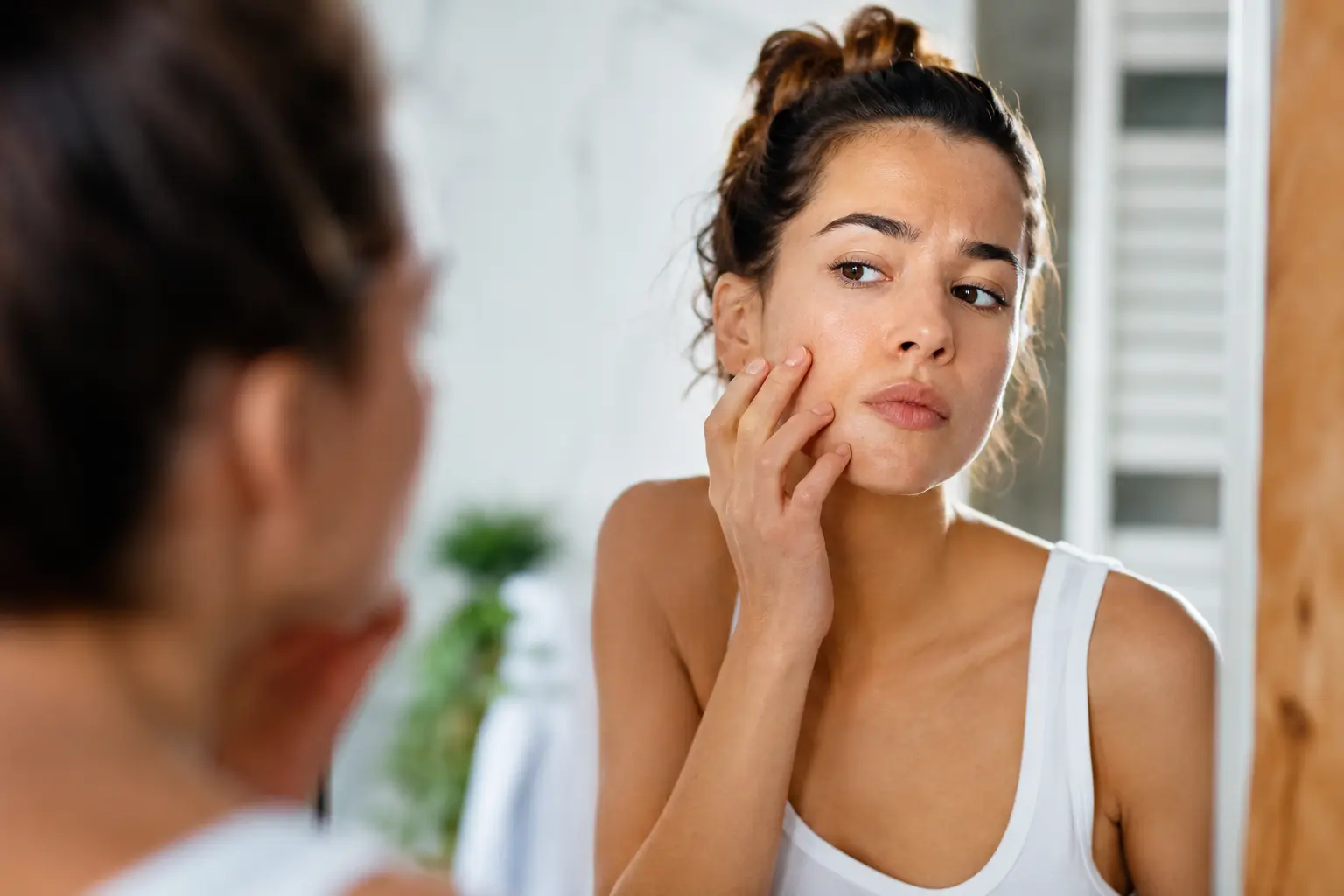
Your skin feels tight, looks dull, and no amount of moisturizer seems to fix it, so you’re probably making one of these skin hydration mistakes without even realizing it.
Using harsh cleansers
Picture this: you wake up, splash your face with a cleanser that strips away everything, and by noon your skin feels like sandpaper. Many women unknowingly destroy their skin’s natural protective barrier by using harsh cleansers loaded with sulfates and strong detergents. Your skin produces natural oils for a reason, and when you strip them away twice daily, you trigger a cycle where your skin overcompensates by producing even more oil or becomes painfully dry. A woman in her thirties might notice this especially after switching to a ‘powerful’ acne cleanser, only to find her skin becomes more reactive and dehydrated. The solution is gentler than you think: switch to a creamy, hydrating cleanser that removes dirt without aggression. Your skin’s moisture barrier takes weeks to rebuild once damaged, so this single change can transform your entire skincare routine. Many dermatologists now recommend that women with compromised barriers use lukewarm water and minimal cleansing for a period of recovery.
- Look for cleansers with hydrating ingredients like hyaluronic acid or glycerin.
- Avoid cleansers with strong fragrances or high alcohol content that can dry out the skin.
- Consider double cleansing with a gentle oil-based cleanser followed by a hydrating cleanser for maximum hydration.
Skipping moisturizer
You might think that skipping moisturizer will help oily skin, but this logic backfires almost every time. When you cleanse without moisturizing, your skin loses hydration throughout the day, and by evening it feels tight and uncomfortable. Women often skip this step thinking they’re preventing breakouts, when in reality dehydrated skin becomes more reactive and prone to inflammation. Imagine applying sunscreen to completely dry skin, then wondering why it feels uncomfortable and flaky by afternoon. Moisturizing isn’t about adding grease, it’s about sealing in water and creating a healthy barrier. A lightweight, hydrating moisturizer with ceramides and peptides can be applied to damp skin immediately after cleansing to lock in maximum moisture. Even oily-skinned women benefit from a gel-based or water-based moisturizer that hydrates without heaviness. The key is consistency: skipping just one day can disrupt your skin’s hydration cycle, so make this a non-negotiable part of your morning and evening routine.
📘 Fix your day in under 2 minuteschoose where to begin:
Over-exfoliating
Exfoliation feels amazing in the moment, so it’s tempting to do it daily, but this is where many women damage their skin without realizing it. Your skin naturally sheds dead cells, and aggressive or frequent exfoliation accelerates this process beyond what’s healthy, leaving your barrier weakened and vulnerable. A woman might exfoliate with a physical scrub in the morning, use a chemical exfoliant at night, and then wonder why her skin suddenly becomes red, sensitive, and dehydrated. The damage compounds over weeks: your skin becomes thinner, more reactive to products, and loses its ability to retain moisture. Over-exfoliated skin often looks dull and feels uncomfortable because the healthy, hydrated cells underneath haven’t had time to surface naturally. Limit exfoliation to once or twice weekly maximum, and choose either a gentle physical method or a mild chemical exfoliant, not both. Your skin needs time between exfoliations to rebuild its barrier and restore hydration. If you notice increased sensitivity, redness, or tightness, stop exfoliating entirely for two to four weeks and focus on hydration and barrier repair.
Not drinking enough water
Hydrating your skin starts from within, and this isn’t just wellness advice, it’s biology. When you’re dehydrated, your body prioritizes vital organs over skin, so your complexion becomes one of the first places dehydration shows up. A woman who drinks only coffee and occasionally water might notice her skin looks dull, feels papery, and shows fine lines more prominently by afternoon. Proper hydration supports your skin’s natural functions: cell turnover, toxin elimination, and nutrient delivery all depend on adequate water intake. Most women need at least eight glasses daily, though individual needs vary based on activity level, climate, and diet. Think of water as the foundation that no topical product can replace, no matter how expensive or advanced. You can use the best moisturizers available, but if you’re chronically dehydrated, your skin will still look tired and feel uncomfortable. Start tracking your water intake for a week and notice how your skin responds when you consistently drink enough. Many women report that their skin looks plumper, clearer, and more radiant within just two weeks of proper hydration.
Ignoring humidity levels
The air around you directly affects your skin’s hydration, and most women never consider this factor. In winter or in dry climates, low humidity pulls moisture out of your skin like an invisible force, leaving it parched no matter how much moisturizer you apply. A woman living in a dry climate or working in an air-conditioned office all day might notice her skin becomes increasingly tight and uncomfortable as the day progresses. When humidity drops below 30 percent, your skin loses moisture faster than it can absorb it from products. Using a humidifier in your bedroom and office can raise humidity to a healthier 40 to 60 percent range, which makes a measurable difference in how your skin feels and looks. You’ll notice your moisturizer absorbs better, your skin feels less tight, and fine lines appear less pronounced when the air contains adequate moisture. In addition to a humidifier, consider using hydrating serums with humectants like hyaluronic acid or glycerin that draw moisture from the air into your skin. This combination of environmental humidity plus hydrating products creates the ideal conditions for your skin to maintain optimal moisture levels throughout the day.
Avoid harsh cleansers, remember to moisturize, limit exfoliation, stay hydrated, and monitor humidity levels to prevent common skin hydration mistakes.
How can I tell if my skin is dehydrated?
Signs of dehydrated skin include tightness, flakiness, dullness, and fine lines. If your skin feels parched or looks lackluster, it may be dehydrated.
Can over-hydrating my skin cause breakouts?
While hydration is essential for healthy skin, over-hydrating with heavy creams or oils can clog pores and lead to breakouts. Opt for lightweight, non-comedogenic moisturizers to prevent this.
Others also read:
Disclaimer: This article is for informational purposes only and is not a substitute for professional medical advice. Always consult a healthcare professional for personal guidance.
This guide has been prepared and reviewed by the GlobalHealthBeacon editorial team and reflects current medical research as of 2026. It provides structured, evidence-based information to support informed health decisions.
