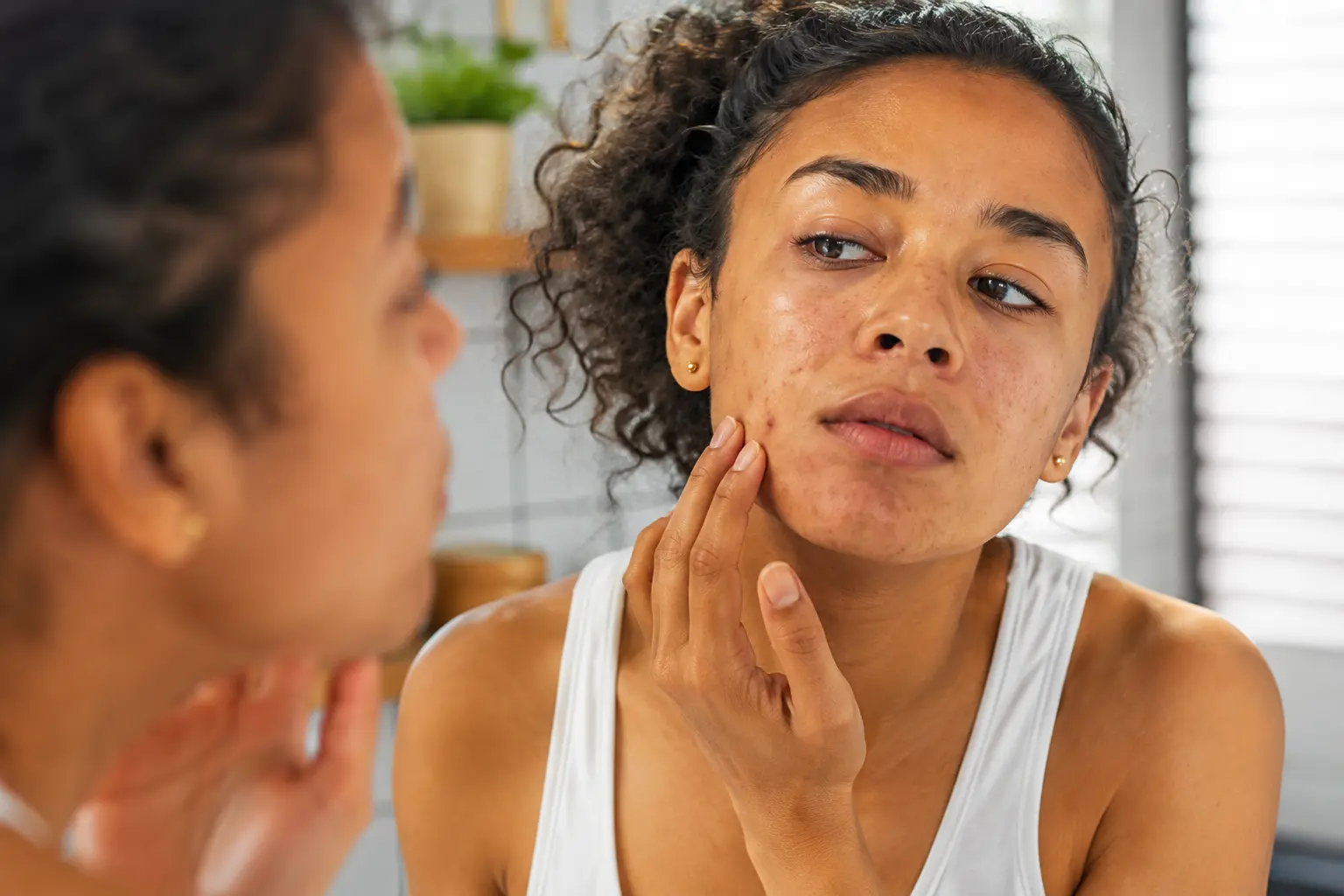
Your skin feels off, breakouts won’t quit, and nothing you buy seems to actually work because nobody’s telling you the real story: skin microbiome health explained means understanding that your skin isn’t just a surface to treat, it’s an entire ecosystem that either works for you or against you.
What is the skin microbiome?
The skin microbiome refers to the diverse community of microorganisms that live on the surface of your skin. These include bacteria, fungi, and viruses that play a crucial role in maintaining skin health and protecting against harmful pathogens. Think of it like a neighborhood where trillions of tiny residents live. Some are the good neighbors who keep the block safe and clean, while others are just passing through. Your skin hosts roughly 1.5 trillion microorganisms across its surface, and they’re not invaders you need to eliminate. Instead, they’re part of your skin’s defense system. When this community is balanced and diverse, your skin thrives. When it gets disrupted, that’s when problems start. For example, if you’ve ever noticed your skin getting worse after using a super strong antibacterial cleanser, you’ve witnessed microbiome disruption firsthand. The bacteria that normally protect you get wiped out, leaving room for harmful ones to take over.
- The skin microbiome acts as a protective barrier, preventing harmful pathogens from invading the skin.
- It interacts with the immune system to maintain skin health and ward off infections.
- The composition of the skin microbiome can be influenced by various factors such as diet, hygiene practices, and environmental exposures.
How to support a healthy skin microbiome
Maintaining a healthy skin microbiome involves gentle skincare practices that promote the growth of beneficial microorganisms. Avoid harsh cleansers that can disrupt the balance of your skin microbiome and opt for products that are gentle and designed to support skin health. Start by switching to a pH-balanced cleanser that removes dirt without stripping your skin’s natural oils. Your skin has a slightly acidic pH around 4.5 to 5.5, and most conventional soaps are alkaline, which disrupts this balance and damages your microbiome. When you shower, use lukewarm water instead of hot water, which can irritate skin and kill beneficial bacteria. Pat your skin dry gently rather than rubbing aggressively. Consider using a hydrating toner or essence after cleansing to restore moisture and support microbial diversity. Limit how often you exfoliate. Many young adults over-exfoliate thinking it will clear their skin, but frequent physical or chemical exfoliation damages the protective barrier and destabilizes your microbiome. Once or twice weekly is enough. If you wear makeup, choose products labeled as microbiome-friendly or non-comedogenic, and always remove it before bed.
📘 Fix your day in under 2 minuteschoose where to begin:
Balancing the skin microbiome
Include prebiotics and probiotics in your skincare routine to nourish the beneficial microorganisms on your skin. Eating a diet rich in fruits, vegetables, and whole grains can also support a healthy skin microbiome. Topical probiotics and prebiotics work by feeding the good bacteria already on your skin. Prebiotic ingredients like inulin and xylitol act as food for beneficial microbes, while probiotic products introduce live beneficial bacteria. Look for serums or moisturizers containing Lactobacillus or Vitreoscilla. Internally, your diet matters just as much. Fermented foods like yogurt, kimchi, sauerkraut, and kombucha introduce beneficial bacteria that can influence your skin health from the inside out. Fiber-rich foods feed the good bacteria in your gut, which in turn supports skin health through the gut-skin axis. A young adult eating mostly processed foods and sugar will have a very different skin microbiome than someone eating whole foods. You don’t need expensive supplements. Start with simple changes: add one fermented food to your diet weekly, drink more water to support skin hydration, and include colorful vegetables at most meals. These changes take time to show results, typically two to three months, so patience is key.
Avoiding disruptors
Be mindful of factors that can disrupt the balance of your skin microbiome, such as excessive use of antibacterial products, frequent use of antibiotics, and a diet high in processed foods. Opt for natural skincare products and a balanced diet to promote a healthy skin microbiome. Common disruptors include antibacterial hand sanitizers, which kill beneficial skin bacteria along with harmful ones. Using them constantly strips your skin of protection. Oral antibiotics, while sometimes necessary, can significantly alter your skin microbiome for weeks or months afterward. If you’re prescribed antibiotics, ask your doctor about taking a probiotic supplement during and after treatment. Avoid products with triclosan or triclocarban, chemicals designed to kill bacteria indiscriminately. High-stress levels also disrupt your microbiome by triggering inflammation and altering your skin’s pH. Lack of sleep does the same. Smoking, excessive alcohol, and high-sugar diets feed harmful bacteria while starving beneficial ones. Even your environment matters. Pollution and chlorinated water can disrupt your microbiome, so consider using a shower filter if you have access to one. Touching your face frequently transfers bacteria and disrupts the balance, so be mindful of this habit, especially if you’re prone to breakouts.
Seek professional advice
If you have persistent skin issues despite following a healthy skincare routine, consult a dermatologist or skincare expert. They can provide personalized recommendations to address specific skin concerns and support a balanced skin microbiome. A dermatologist can assess your specific microbiome composition and recommend targeted treatments. Some can even perform microbiome testing to identify exactly which bacteria are out of balance. If you have severe acne, eczema, or rosacea, these conditions are often rooted in microbiome imbalance, and a professional can help you address the root cause rather than just treating symptoms. Be honest with your dermatologist about your current skincare routine, diet, stress levels, and any medications you’re taking. This context helps them give better advice. If you’re interested in microbiome-focused skincare, look for dermatologists or estheticians who specialize in this area. They understand that skin health isn’t just about killing bacteria or drying out oil. It’s about creating an environment where your skin’s natural ecosystem can thrive. Don’t wait years hoping your skin will improve. Getting professional guidance early can prevent long-term damage and help you develop a routine that actually works with your biology instead of against it.
Understanding the skin microbiome is essential for maintaining healthy skin. Supporting a diverse and balanced skin microbiome through gentle skincare practices, a healthy diet, and avoiding disruptors can promote skin health and vitality.
Can my skin microbiome impact skin conditions like acne?
Yes, imbalances in the skin microbiome have been linked to skin conditions like acne. Supporting a healthy skin microbiome through proper skincare and diet can help improve skin conditions.
Are all bacteria on the skin harmful?
No, the skin is home to both harmful and beneficial bacteria. Maintaining a diverse and balanced skin microbiome is key to protecting the skin and promoting overall skin health.
Disclaimer: This article is for informational purposes only and is not a substitute for professional medical advice. Always consult a healthcare professional for personal guidance.
This guide has been prepared and reviewed by the GlobalHealthBeacon editorial team and reflects current medical research as of 2026. It provides structured, evidence-based information to support informed health decisions.
