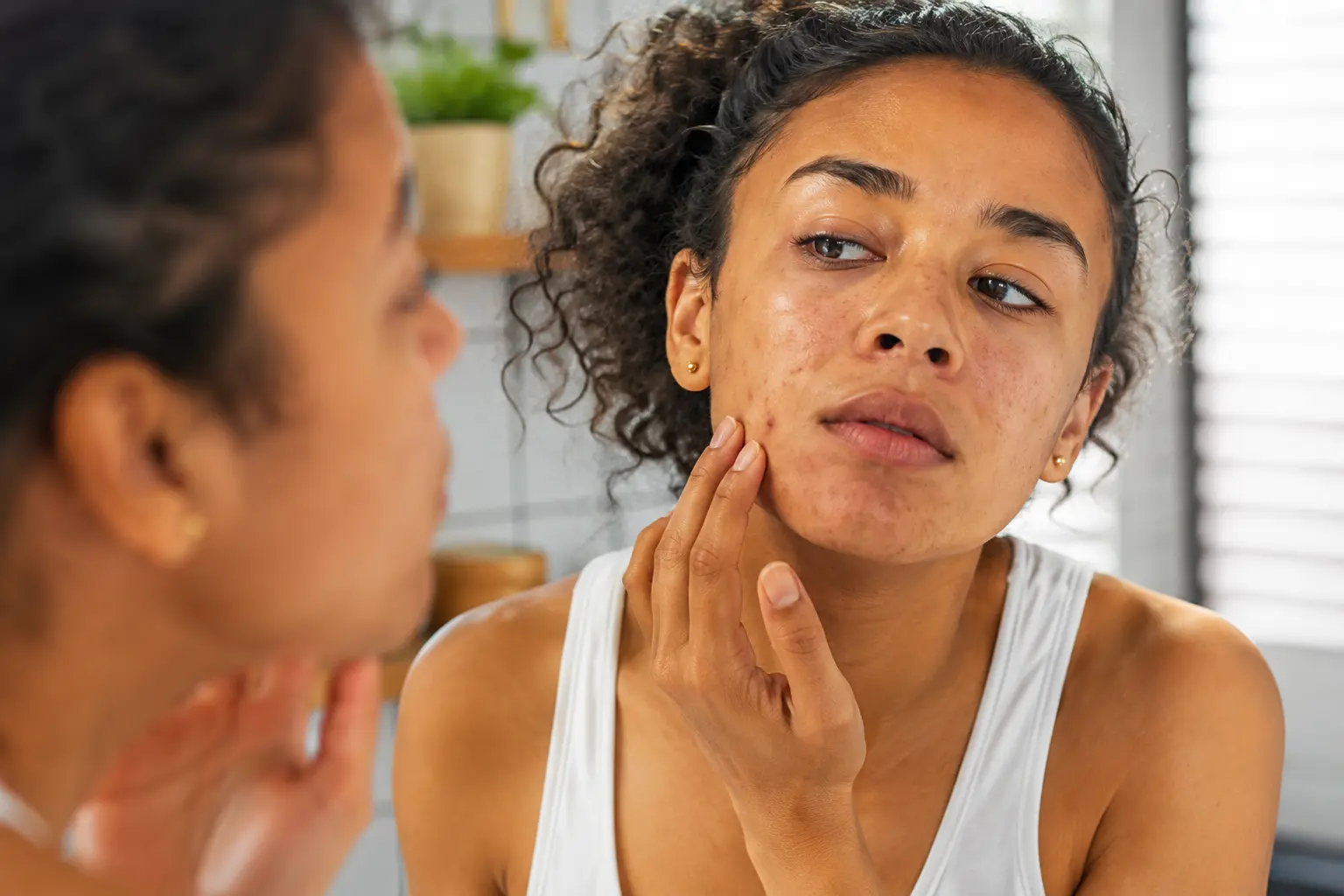
Your skin feels off, breakouts won’t quit, and nothing you buy seems to actually work because nobody’s telling you the real story: skin microbiome health explained means understanding that your skin isn’t just a barrier to protect, it’s an entire living ecosystem that’s either thriving or silently rebelling against everything you’re doing to it.
What is the skin microbiome?
Your skin isn’t sterile. In fact, it’s teeming with life. The skin microbiome refers to the diverse community of microorganisms that reside on your skin’s surface, including bacteria, fungi, viruses, and microscopic mites. Think of it like a miniature rainforest living on your body. These organisms aren’t invaders; they’re residents that have evolved alongside humans for millennia. The balance between these microorganisms is absolutely essential for maintaining skin health and protecting against harmful pathogens. When this ecosystem is balanced, your skin’s natural defenses work optimally. When it’s disrupted, problems emerge. Scientists have identified thousands of different microbial species on human skin, with each person having a unique microbial fingerprint influenced by genetics, environment, and lifestyle choices. Understanding this ecosystem is the foundation for truly effective skincare.
Importance of skin microbiome in young adults
Young adults face a unique challenge: their skin microbiome is still developing while simultaneously being exposed to modern stressors like pollution, frequent cleansing, and aggressive skincare products. In young adults, the skin microbiome plays a vital role in regulating the skin’s immune response, maintaining optimal moisture levels, and preserving pH balance. When your microbiome is healthy, it produces compounds that strengthen your skin barrier and reduce inflammation. Disruptions to this delicate balance can lead to acne, eczema, dermatitis, and sensitivity issues that seem to come out of nowhere. A young adult might notice that their skin suddenly becomes reactive after switching products or during periods of stress, not realizing they’ve disrupted their microbial ecosystem. The microbiome also influences how your skin responds to environmental changes and how quickly it recovers from irritation or damage.
Factors affecting the skin microbiome
Your skin microbiome isn’t static; it’s constantly responding to what you do, eat, and expose it to. Diet significantly impacts microbial diversity. A young adult eating processed foods and sugar creates an environment that favors inflammatory bacteria, while someone consuming fiber-rich vegetables and fermented foods supports beneficial microbial populations. Skincare products are another major factor. Harsh chemicals, antibacterial agents, and over-cleansing strip away protective bacteria and disrupt the skin’s pH, forcing your microbiome to work overtime to rebalance. Environmental factors like UV radiation, air pollution, and humidity levels directly influence which microorganisms thrive on your skin. A young adult living in a humid climate will have a different microbial composition than someone in a dry environment. Stress hormones also alter your skin microbiome by changing sebum production and immune signaling. Even sleep deprivation shifts your microbial balance. The interconnection between these factors means that true skin health requires a holistic approach, not just topical fixes.
- Eat a balanced diet rich in fruits, vegetables, and fermented foods like yogurt or kimchi to support beneficial bacteria.
- Use gentle, pH-balanced skincare products that preserve your skin barrier instead of stripping it with harsh chemicals.
- Protect your skin from environmental stressors like UV radiation and pollution by using sunscreen and limiting exposure to air quality hazards.
🔬 Science-backed benefits in 2 minuteschoose where to begin:
Maintaining a healthy skin microbiome
Supporting a healthy skin microbiome requires rethinking everything you’ve been taught about skincare. Instead of aggressive cleansing twice daily, consider gentle cleansing once daily with lukewarm water and a mild cleanser. Overwashing disrupts your microbiome’s ability to maintain its protective biofilm. Moisturizing is crucial because it supports the bacteria that produce compounds maintaining skin barrier function. Avoid products with high concentrations of alcohol, fragrance, or antimicrobial agents that indiscriminately kill bacteria without distinguishing beneficial from harmful species. A young adult might use a gentle cleanser in the evening, follow with a simple moisturizer, and skip the morning wash entirely, allowing their natural microbiome to establish stability. Sun protection matters because UV damage stresses your microbiome and triggers inflammatory responses. Think of your skincare routine as gardening: you’re not trying to sterilize the soil, you’re creating conditions where beneficial organisms flourish.
Research on skin microbiome diversity
Scientific studies consistently show that individuals with diverse skin microbiomes tend to have healthier, more resilient skin. Researchers have discovered that people with acne-prone skin often have less microbial diversity and an overgrowth of specific bacterial species like Cutibacterium acnes. Conversely, people with clear skin maintain a balanced community where multiple bacterial species coexist, preventing any single species from dominating. Genetics play a foundational role in determining your baseline microbiome composition, but lifestyle choices can shift your microbial profile significantly. A young adult with a genetic predisposition toward acne can still improve their skin by supporting microbial diversity through diet, stress management, and gentle skincare. Age also influences the microbiome; as young adults move through their twenties and thirties, their microbial composition naturally evolves. Research indicates that embracing a holistic approach to skincare that prioritizes barrier health and microbial balance produces better long-term outcomes than aggressive treatments that disrupt the ecosystem.
Future of skin microbiome research
The field of skin microbiome research is rapidly advancing, moving toward personalized medicine approaches that could revolutionize skincare. Scientists are uncovering the specific roles different microorganisms play in skin health and how they interact with your skin’s immune system at a molecular level. Emerging research suggests that certain bacterial metabolites directly influence collagen production, inflammation levels, and skin barrier function. Companies are beginning to develop targeted products designed to support specific beneficial bacteria rather than killing all microorganisms indiscriminately. Future skincare might involve microbiome testing to identify your unique microbial profile, followed by personalized product recommendations tailored to your specific bacterial composition. Young adults entering the skincare market in the next decade may have access to probiotic skincare formulations and supplements designed to restore microbial balance. This shift represents a fundamental change from the antimicrobial approach that dominated skincare for decades toward a more sophisticated, biology-informed strategy.
Understanding the skin microbiome is essential for young adults looking to maintain healthy skin. Your skin is a living ecosystem where bacteria, fungi, and other microorganisms work together to protect and maintain your skin barrier. Factors like diet, skincare products, and environmental influences can impact the balance of skin bacteria. Adopting a skincare routine that supports a diverse and healthy skin microbiome through gentle cleansing, proper moisturizing, and protection from environmental stressors is key to long-term skin health.
How does the skin microbiome affect skin health in young adults?
The skin microbiome in young adults plays a crucial role in regulating the skin’s immune response, moisture levels, and pH balance. A healthy microbiome produces protective compounds that strengthen your skin barrier and reduce inflammation. Disruptions to the microbiome can lead to acne, eczema, dermatitis, and increased sensitivity. Young adults are particularly vulnerable to microbiome disruption because their skin is still developing while being exposed to modern stressors like pollution and aggressive skincare products.
How can young adults maintain a healthy skin microbiome?
Young adults can maintain a healthy skin microbiome by eating a balanced diet rich in fruits, vegetables, and fermented foods that support beneficial bacteria, using gentle pH-balanced skincare products that preserve the skin barrier, protecting their skin from environmental stressors like UV radiation and pollution, managing stress levels, getting adequate sleep, and avoiding overwashing or using products with harsh chemicals and antimicrobial agents that disrupt the microbial ecosystem.
Others also read:
Disclaimer: This article is for informational purposes only and is not a substitute for professional medical advice. Always consult a healthcare professional for personal guidance.
This article has been prepared and reviewed by the GlobalHealthBeacon editorial team and is based on current medical research and published scientific literature available in 2026. It provides structured, evidence-based information to support informed health decisions.
← Back to the Main page on: skin microbiome health explained
