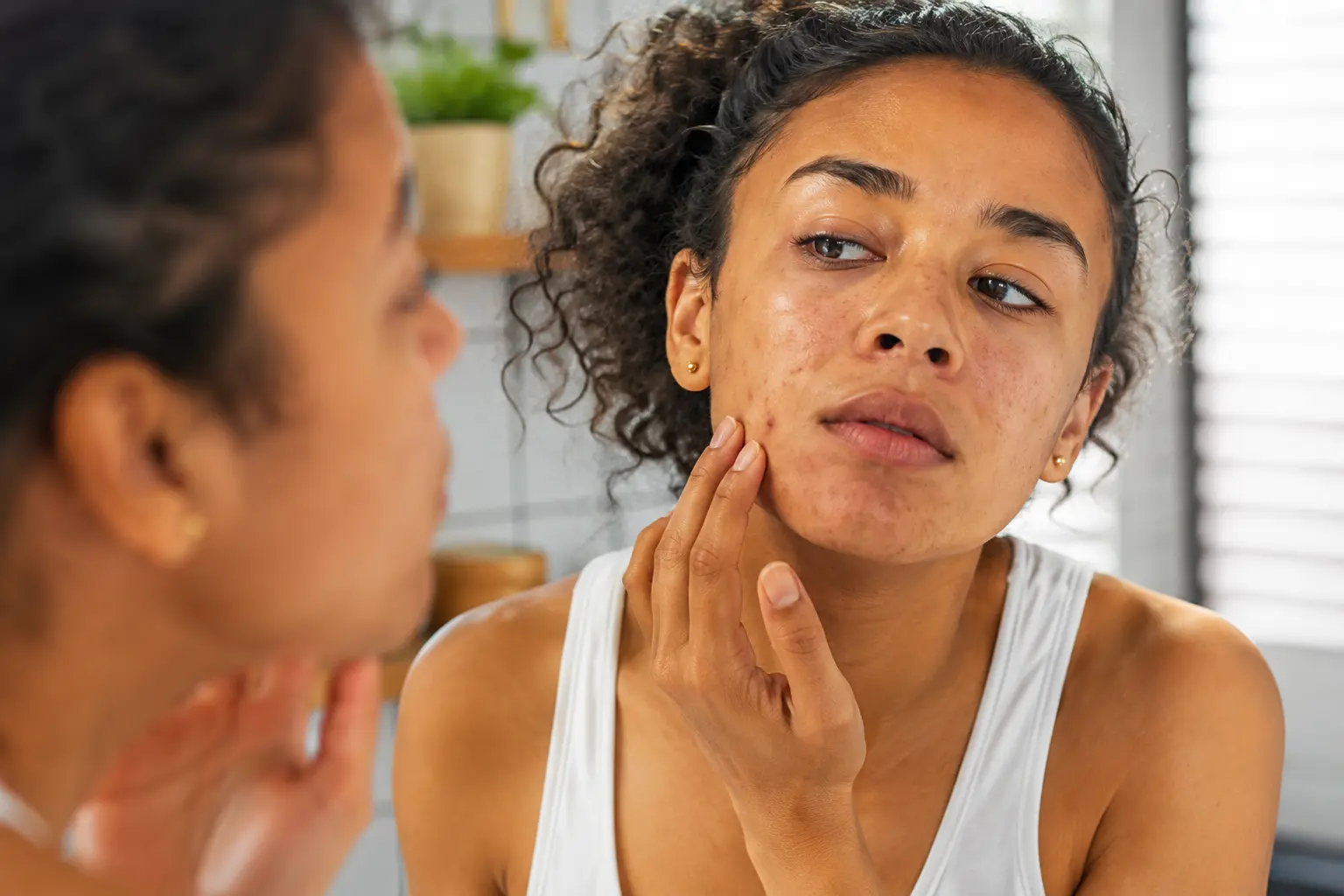
Your skin feels off, breakouts won’t quit, and nothing you buy seems to actually work because nobody’s told you that skin microbiome health explained means understanding the trillions of bacteria living on your face right now that are either your best allies or your worst enemies.
Understanding the skin microbiome
Picture your skin as a bustling city. The skin microbiome is the population living there, made up of trillions of bacteria, fungi, and viruses that occupy every square millimeter of your skin’s surface. These aren’t invaders you need to fear. They’re residents that have evolved alongside humans for millennia. Your skin microbiome acts as a protective barrier, crowding out harmful pathogens through sheer numbers and chemical competition. Think of it like this: when beneficial bacteria dominate your skin, there’s simply no room for acne-causing Cutibacterium acnes to thrive. These microorganisms also produce compounds that regulate your skin’s pH, maintain moisture levels, and communicate with your immune system to keep inflammation in check. Scientists have discovered that people with clear, healthy skin tend to have diverse microbial communities, while those struggling with acne or eczema often show reduced microbial diversity. Your skin microbiome is essentially your skin’s immune system’s first line of defense.
Importance of a balanced microbiome
A balanced skin microbiome isn’t just nice to have; it’s foundational to skin health. When this ecosystem stays stable, your skin maintains its natural defenses and healing capacity. But disruption happens constantly. Harsh cleansers strip away beneficial bacteria. Antibiotics kill indiscriminately. Stress hormones shift the microbial balance. When this happens, opportunistic pathogens move in, inflammation spikes, and skin conditions emerge. Acne develops when Cutibacterium acnes overgrows unchecked. Eczema flares when the barrier weakens and irritants penetrate. Psoriasis involves both microbial imbalance and immune dysregulation. Research shows that people with these conditions have measurably different microbial profiles compared to those with healthy skin. The exciting part? Studies indicate that restoring microbial diversity can help improve these conditions. It’s not about achieving perfection but rather supporting the natural ecosystem your skin evolved to maintain. Understanding this balance shifts how you approach skincare from fighting your skin to supporting it.
How to nurture your skin microbiome
Nurturing your microbiome starts with recognizing that less is often more. Your skin doesn’t need ten products; it needs the right ones. Gentle cleansing with lukewarm water and minimal surfactants removes dirt without destroying your protective bacterial layer. Many young adults over-cleanse, using harsh acne washes that nuke their microbiome and trigger rebound inflammation. Instead, use a pH-balanced cleanser that respects your skin’s natural acidity. Diet matters more than most realize. Prebiotics like inulin and resistant starch feed beneficial bacteria, helping them flourish. Foods like garlic, onions, asparagus, and whole grains act as fertilizer for your microbiome. Some research suggests fermented foods containing live cultures may support skin health, though the science is still developing. Equally important is what you avoid: unnecessary antibiotics, excessive exfoliation, and products loaded with antimicrobial agents that indiscriminately kill bacteria. One common mistake is assuming all bacteria are bad. Young adults often reach for antibacterial everything, unknowingly sabotaging their skin’s defense system. The goal is selective support, not scorched-earth elimination.
- Choose skincare products with minimal ingredients and pH values between 4.5 and 5.5 to match your skin’s natural acidity.
- Incorporate prebiotic-rich foods like garlic, onions, asparagus, and whole grains into your diet to feed beneficial bacteria.
- Consult a dermatologist for personalized skincare advice, especially if you have persistent skin concerns or are considering major routine changes.
🔬 Science-backed benefits in 2 minuteschoose where to begin:
The influence of lifestyle factors
Your microbiome doesn’t exist in isolation. It responds to everything happening in your life. Stress triggers cortisol release, which shifts your skin’s pH and microbial composition, often favoring acne-causing bacteria. That’s why breakouts spike during exam season or before big presentations. Sleep deprivation has similar effects, reducing your skin’s ability to repair itself and maintain microbial balance. Diet quality directly impacts microbial diversity. High-sugar, processed-food diets feed inflammatory bacteria, while whole foods rich in fiber feed beneficial ones. Environmental pollutants like smog and particulate matter physically disrupt your skin barrier and alter bacterial populations. Even your water quality matters. Chlorinated water can damage beneficial bacteria, which is why some dermatologists recommend filtering shower water. Young adults often underestimate these lifestyle connections, attributing skin problems solely to genetics or bad luck. The reality is that your microbiome is constantly responding to your choices. A single night of poor sleep won’t destroy your skin, but chronic stress, irregular sleep, and processed food diets compound over time, gradually shifting your microbial balance toward dysbiosis.
Research trends in microbiome science
The skin microbiome field has exploded in the past five years. Researchers are moving beyond simple bacterial counts to understanding functional roles. They’re discovering that specific bacterial strains produce anti-inflammatory compounds, while others trigger immune responses. Metagenomic sequencing now allows scientists to identify thousands of microbial species on your skin, revealing patterns invisible just a decade ago. One emerging trend is personalized microbiome profiling. Companies now offer skin microbiome testing, identifying your unique bacterial composition and recommending targeted interventions. While still early, this approach mirrors the personalized medicine revolution happening across healthcare. Another hot area is the skin-gut-brain axis. Research suggests your gut microbiome influences your skin microbiome through immune signaling and metabolite production. This explains why probiotics taken orally sometimes improve skin health. Scientists are also investigating how different climates, ethnicities, and ages shape microbial communities. A 22-year-old’s microbiome looks different from a 45-year-old’s, and tropical climates support different bacterial populations than temperate ones. These discoveries are reshaping how dermatologists think about treatment, moving from one-size-fits-all approaches to microbiome-informed strategies.
Future perspectives on microbiome health
The future of skincare is microbiome-aware. Companies are developing products specifically designed to support beneficial bacteria rather than kill everything indiscriminately. Postbiotic products containing bacterial metabolites are emerging, offering benefits without live organisms. Phage therapy, using viruses that target harmful bacteria, shows promise for acne treatment without disrupting beneficial species. Personalized skincare routines based on your individual microbiome profile will likely become standard within a decade. Imagine getting a skin microbiome test, receiving a detailed report of your bacterial composition, and getting product recommendations tailored to restore your specific imbalances. Dermatologists are already moving in this direction, using microbiome insights to explain why certain treatments work for some patients but not others. The paradigm shift is profound: instead of viewing skin as something to dominate with aggressive treatments, the emerging science positions skin as an ecosystem to support and balance. For young adults, this means the skincare industry will likely move away from stripping, drying, antibacterial approaches toward gentle, supportive, microbiome-respecting products. This isn’t just marketing hype; it’s grounded in legitimate science about how your skin actually works.
Understanding the skin microbiome reveals why your skin behaves the way it does and why some approaches work while others backfire. Your skin hosts trillions of microorganisms that protect you, regulate inflammation, and maintain your barrier function. Disrupting this ecosystem through harsh products, unnecessary antibiotics, or lifestyle stress triggers the skin conditions you’re trying to prevent. Supporting a balanced microbiome through gentle skincare, prebiotic-rich foods, and stress management works with your skin’s natural biology rather than against it. The science is evolving rapidly, and personalized microbiome-informed skincare is becoming reality. Stay informed about these developments to make choices that actually support your skin long-term rather than creating a cycle of damage and repair.
Can I improve my skin health by promoting a diverse microbiome?
Yes. A diverse skin microbiome acts as your skin’s immune system, crowding out harmful bacteria and producing protective compounds. Research shows people with clear skin have more diverse microbial communities than those with acne or eczema. You can support diversity through gentle cleansing, prebiotic-rich foods like garlic and whole grains, avoiding unnecessary antibiotics, and managing stress. This approach works with your skin’s natural biology rather than against it.
Are probiotics beneficial for skin health?
The evidence is promising but still developing. Probiotics found in fermented foods or supplements may support skin health by influencing your gut microbiome, which communicates with your skin microbiome through immune signaling. Topical probiotics applied directly to skin show mixed results in studies. The most consistent benefits come from supporting your microbiome through lifestyle choices rather than relying on probiotic products alone. Consult a dermatologist about which approach suits your specific skin concerns.
Others also read:
Disclaimer: This article is for informational purposes only and is not a substitute for professional medical advice. Always consult a healthcare professional for personal guidance.
This article has been prepared and reviewed by the GlobalHealthBeacon editorial team and is based on current medical research and published scientific literature available in 2026. It provides structured, evidence-based information to support informed health decisions.
← Back to the Main page on: skin microbiome health explained
