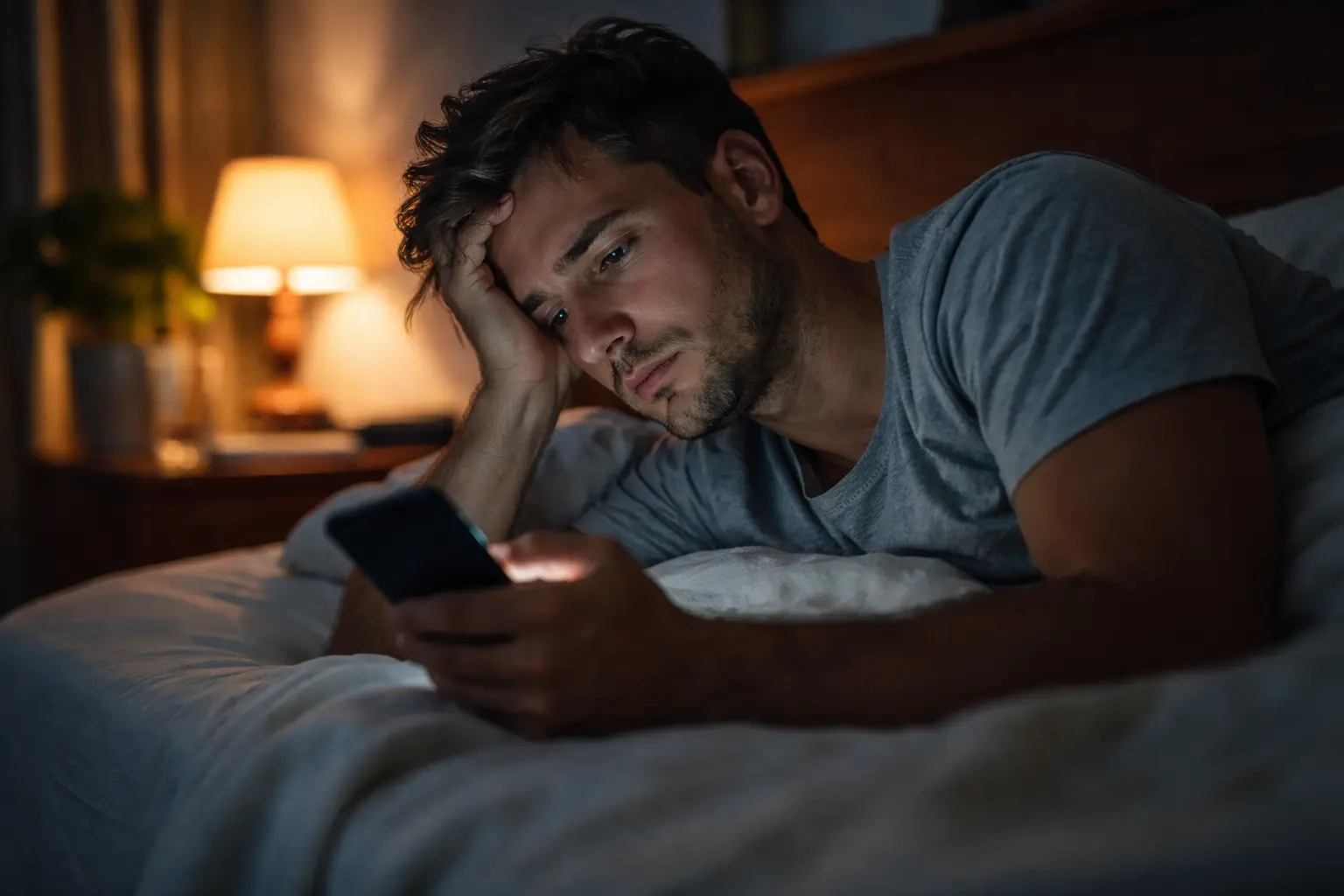
You’re waking up gasping for air at 3 AM, your throat feels like sandpaper, and you’re exhausted even though you slept eight hours – that’s what sleep apnea symptoms feel like, and you’re not alone in this struggle.
Understanding sleep apnea symptoms
Sleep apnea isn’t just about snoring loudly enough to wake your partner. It’s a condition where your breathing actually stops and starts throughout the night, sometimes dozens or even hundreds of times. Imagine your airway collapsing while you sleep, cutting off oxygen to your brain and body. You might not remember these interruptions, but your body does. Common sleep apnea symptoms include loud snoring that sounds like gasping or choking, sudden awakenings where you jolt upright struggling for breath, and overwhelming daytime sleepiness that makes afternoon activities feel impossible. Some seniors describe it as feeling like they’re running on empty all day, no matter how many hours they spend in bed. The pauses in breathing can last from a few seconds to a minute, and each time it happens, your oxygen levels dip and your heart works harder to compensate. This is why recognizing these signals early matters so much for your long-term health.
- Chronic fatigue even after a full night of sleep
- Waking up with a dry or sore throat
- Frequent headaches in the morning
Risk factors and diagnosis
Your age alone puts you at higher risk. As we get older, the muscles in our throat naturally lose tone, making airway collapse more likely. Add to that extra weight around the neck, a thicker neck circumference, or a family history of sleep apnea, and your risk climbs significantly. Men are more commonly affected than women, though postmenopausal women catch up quickly. If you’re overweight or have high blood pressure, you’re in a higher-risk category. Diagnosing sleep apnea involves a sleep study, either at a sleep lab where technicians monitor your breathing patterns, oxygen levels, heart rate, and brain activity throughout the night, or increasingly, a home sleep test where you wear a portable device that tracks the same information. During the study, doctors count how many times per hour your breathing stops (called the Apnea-Hypopnea Index or AHI). This number determines severity: mild, moderate, or severe. Getting tested isn’t invasive or scary, and the results give you a clear picture of what’s happening while you sleep.
📘 Fix your day in under 2 minuteschoose where to begin:
Treatment options for sleep apnea
Treatment starts with the simplest approaches and builds from there. Lifestyle changes like losing weight, even 10 percent of your body weight, can improve symptoms significantly. Positional therapy means sleeping on your side instead of your back, which helps keep your airway open. Many seniors find relief with a CPAP machine (Continuous Positive Airway Pressure), which gently pushes air through a mask to keep your airway from collapsing. It takes adjustment, but most people adapt within a few weeks and feel dramatically better. Oral appliances, custom-fitted devices that look like sports mouthguards, work by repositioning your lower jaw forward to open your airway. Some people prefer these over CPAP because they’re less cumbersome. If you have anatomical issues like a deviated septum or enlarged tonsils, your doctor might recommend surgery. Surgery is typically reserved for severe cases where other treatments haven’t worked, but it’s an option worth discussing if you’re struggling with CPAP compliance or other therapies.
Sleep hygiene tips for seniors
Good sleep hygiene sets the foundation for better rest, whether or not you have sleep apnea. Start by establishing a consistent sleep schedule, going to bed and waking at the same time every day, even weekends. Your body thrives on routine. Create a calming bedtime ritual about 30 minutes before sleep: dim the lights, read something gentle, or practice relaxation breathing. Your bedroom should be cool (around 65 to 68 degrees), dark, and quiet. Invest in a comfortable mattress and pillows that support your neck properly. Avoid caffeine after 2 PM and heavy meals within three hours of bedtime, as both can disrupt sleep. Skip alcohol in the evening, even though it might seem to help you fall asleep initially, because it relaxes your throat muscles and worsens sleep apnea. Put screens away at least one hour before bed, as blue light suppresses melatonin production. If you take medications, ask your doctor about timing, as some can interfere with sleep quality. These habits work together to improve your sleep architecture and overall rest quality.
Importance of seeking professional help
Ignoring sleep apnea isn’t just about feeling tired. Untreated sleep apnea puts serious strain on your cardiovascular system. Every time your breathing stops, your oxygen levels drop and your heart rate spikes. Over months and years, this repeated stress increases your risk of high blood pressure, heart disease, stroke, and irregular heartbeat. Seniors with untreated sleep apnea are also at higher risk for cognitive decline and memory problems. The good news is that treating sleep apnea reverses many of these risks. People who use CPAP or other treatments see improvements in blood pressure, reduced heart disease risk, and better daytime function within weeks. Your doctor can refer you to a sleep specialist who understands the unique needs of older adults. Don’t let embarrassment or fear of equipment keep you from getting help. Thousands of seniors manage sleep apnea successfully and report feeling like themselves again. Taking action now protects your heart, your brain, and your quality of life for years to come.
Recognizing sleep apnea symptoms is crucial for seniors to improve their sleep quality and overall health. Understanding the signs, risk factors, diagnosis process, treatment options, and the importance of seeking professional help are key aspects to address for a better quality of life.
Can sleep apnea go away on its own?
Sleep apnea is a chronic condition that typically requires intervention to manage effectively. Lifestyle changes, CPAP therapy, or dental devices are common treatments to prevent complications.
Is sleep apnea common among seniors?
Sleep apnea becomes more prevalent with age, especially in seniors due to muscle tone changes and potential weight gain. It’s essential for older adults to be vigilant about recognizing symptoms and seeking appropriate treatment.
Others also read:
Disclaimer: This article is for informational purposes only and is not a substitute for professional medical advice. Always consult a healthcare professional for personal guidance.
This guide has been prepared and reviewed by the GlobalHealthBeacon editorial team and reflects current medical research as of 2026. It provides structured, evidence-based information to support informed health decisions.
