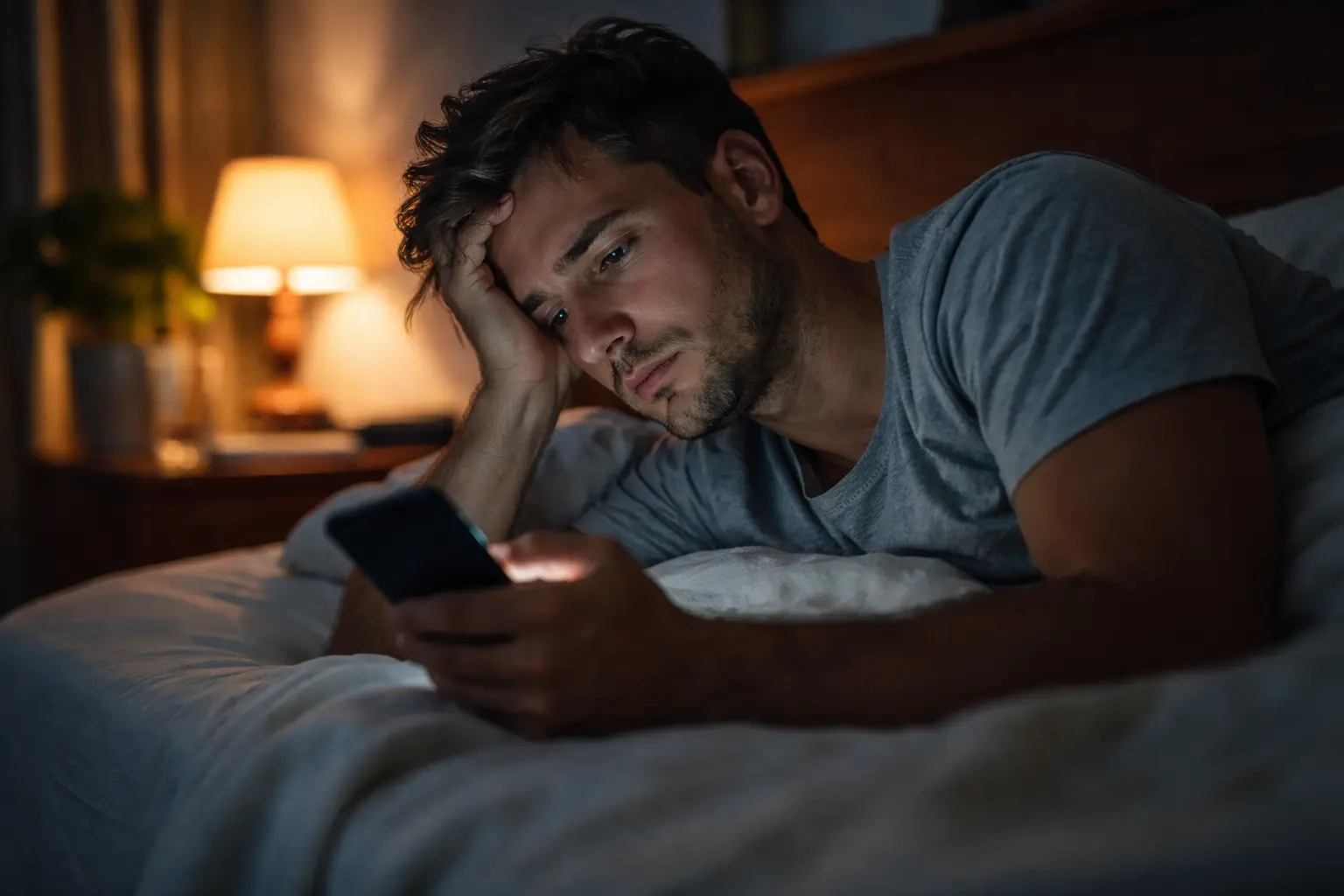
You’re waking up exhausted despite eight hours in bed, your brain feels like it’s moving through fog all day, and you can’t shake the feeling that something is seriously wrong with your body, and that creeping dread might actually be sleep apnea symptoms trying to tell you something.
The sneaky signs of sleep apnea
Sleep apnea doesn’t announce itself with a single dramatic symptom. Instead, it creeps in quietly, disguising itself as regular tiredness or stress. You might notice your partner mentioning your snoring has gotten worse, or you catch yourself gasping awake at 3 AM without understanding why. Then there’s the weight gain that frustrates you despite eating the same way you always have, or the sudden mood swings that make you snap at loved ones for no real reason. A woman I know spent two years thinking she had depression before realizing her sleep apnea symptoms were the real culprit. Morning headaches become your normal, and you start accepting brain fog as just part of being busy. These subtle signals often get overlooked because they blend into daily life so seamlessly.
- Chronic snoring that disrupts your partner’s sleep
- Waking up gasping for air during the night
- Experiencing frequent mood swings and difficulty concentrating
Unmasking sleep apnea: breathing patterns matter
Your breathing during sleep is the real detective work here. Most women don’t realize they’re actually stopping breathing multiple times throughout the night, sometimes for ten seconds or longer. These pauses happen so naturally that you might not consciously notice them, but your body definitely does. You might wake up feeling like you were suffocating, or you might just experience fragmented sleep without knowing why. Some women describe it as feeling like they’re drowning in their own sleep. The tricky part is that shallow breathing can be just as problematic as complete stops. A sleep study can reveal exactly what’s happening when you’re unconscious, showing patterns you’d never catch on your own. Understanding these breathing disruptions is the first real step toward getting answers and feeling like yourself again.
💬 Ready to feel better in 2 minutes?choose where to begin:
Sleep apnea’s impact on daily life
The exhaustion from untreated sleep apnea doesn’t just stay in your bedroom. It follows you through your entire day, affecting everything from your work performance to your relationships. You might find yourself unable to focus during important meetings, forgetting conversations you had just hours earlier, or feeling irritable with family members for reasons you can’t quite explain. Your productivity tanks, and you start wondering if you’re losing your edge professionally. Some women report struggling to stay awake while driving or feeling like they’re moving through life on autopilot. The fatigue is relentless and doesn’t improve no matter how many hours you spend in bed. This constant exhaustion can also trigger anxiety and depression, creating a frustrating cycle where you’re not sure what’s causing what anymore. Recognizing these daytime struggles as connected to your nighttime breathing issues opens the door to real solutions.
Seeking clarity: diagnosis and solutions
Getting a proper diagnosis starts with talking honestly to a healthcare professional about what you’ve been experiencing. A sleep study, either in a lab or at home, provides concrete data about your breathing patterns and sleep quality. This isn’t a scary process, just a way to finally get answers instead of guessing. Once you have a diagnosis, treatment options exist that actually work. CPAP therapy is common but not your only choice, oral appliances can be more comfortable for some women, and lifestyle adjustments like positional changes or weight management might help too. The key is finding what works for your life and body. Many women report feeling like themselves again within weeks of starting treatment, reclaiming energy and mental clarity they’d forgotten they were missing. Don’t let uncertainty keep you stuck in exhaustion.
Identifying sleep apnea through its typical symptoms like chronic snoring, morning headaches, and sudden weight gain is key to addressing this disruptive condition. By understanding the impact of sleep apnea on daily life and seeking proper diagnosis and treatment, women can take charge of their sleep health and overall wellness.
Can sleep apnea cause serious health complications?
Untreated sleep apnea can lead to various health issues, including heart disease, high blood pressure, and even stroke. Seeking timely diagnosis and effective treatment is crucial to prevent these complications.
Are women more likely to develop sleep apnea?
Yes, women can also develop sleep apnea, although it is more common in men. Factors like obesity, age, and family history can increase the risk of sleep apnea in women.
Others also read:
Disclaimer: This article is for informational purposes only and is not a substitute for professional medical advice. Always consult a healthcare professional for personal guidance.
This article presents an experience-based perspective and has been reviewed by the GlobalHealthBeacon editorial team in 2026. It provides structured, evidence-based information to support informed health decisions.
