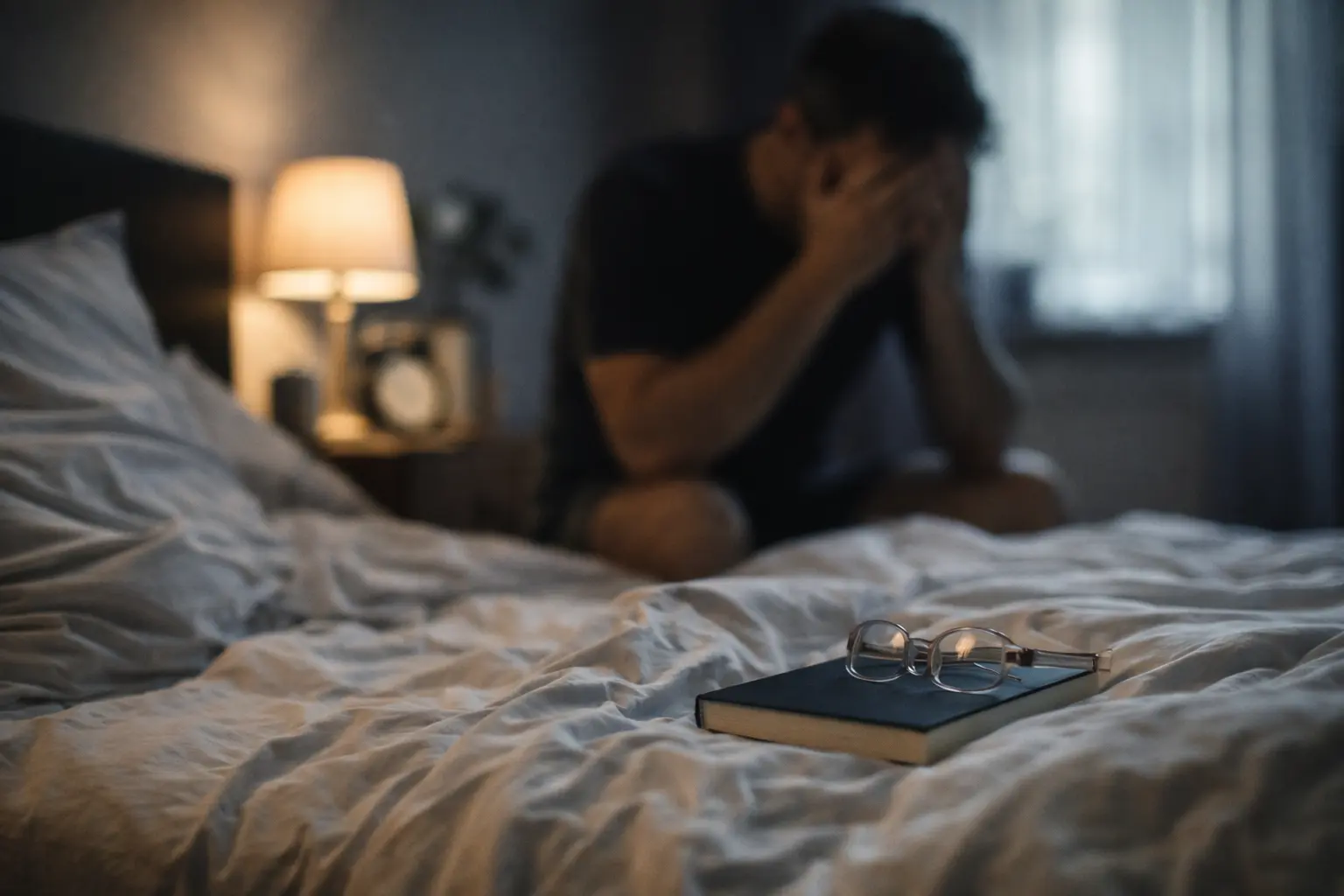
You’re exhausted but your mind won’t shut off, you wake up at 3 AM for no reason, and even after eight hours you feel like you’ve been hit by a truck – sleep stages explained is the missing piece that finally makes sense of why your sleep feels broken.
The 5 stages of sleep
Sleep isn’t one continuous state. Instead, your brain cycles through five distinct stages throughout the night, each serving a specific purpose. Stages 1 and 2 are considered light sleep, where your body begins to relax and your brain waves start to slow down. Stages 3 and 4 are deep sleep, the restorative phases where your body repairs tissues, consolidates memories, and restores energy. REM (Rapid Eye Movement) sleep is where most vivid dreaming happens and where your brain processes emotions and information. A complete cycle typically lasts 90 minutes, and you’ll move through all five stages multiple times during a full night’s sleep. Understanding this progression helps explain why waking up during deep sleep leaves you groggy, while waking during light sleep feels more manageable.
- Stage 1: Transition from wakefulness to light sleep, lasting just a few minutes.
- Stage 2: Light sleep where brain waves slow down and your body temperature drops slightly.
- Stages 3 and 4: Deep sleep crucial for physical restoration, immune function, and mental consolidation.
- REM: Active stage ideal for memory consolidation, emotional processing, and creative problem-solving.
Tips for improving sleep quality
Quality sleep depends on creating conditions that allow your body to move smoothly through all five stages. Start by establishing a consistent sleep schedule, going to bed and waking at the same time even on weekends, which trains your circadian rhythm. Build a calming bedtime routine 30 to 60 minutes before sleep, such as reading, gentle stretching, or taking a warm bath. Your sleep environment matters significantly: keep your bedroom cool (around 65 to 68 degrees Fahrenheit), dark, and quiet. Avoid caffeine after 2 PM and heavy meals three hours before bed, as both disrupt sleep architecture. Limit screen time at least one hour before sleep since blue light suppresses melatonin production. If you find yourself lying awake, get up and do something calming in another room rather than forcing sleep, which only creates anxiety around bedtime.
📘 Fix your day in under 2 minuteschoose where to begin:
How sleep stages affect women
Women’s sleep patterns are uniquely influenced by hormonal fluctuations that men don’t experience. During the menstrual cycle, progesterone levels rise in the luteal phase, which can actually improve sleep quality but may also cause deeper, more fragmented sleep. Pregnancy dramatically alters sleep architecture, often increasing time in light sleep and reducing REM sleep due to physical discomfort and frequent bathroom trips. Menopause brings significant sleep disruption through hot flashes and night sweats that jolt you awake during deep sleep stages, preventing the restorative benefits your body needs. Additionally, women are more likely to experience anxiety and stress-related sleep disorders, which fragment sleep cycles and reduce deep sleep duration. Recognizing these hormonal influences helps you anticipate sleep challenges and adjust your sleep hygiene strategies accordingly throughout different life phases.
Common sleep disorders affecting women
Women face higher rates of certain sleep disorders than men, often due to hormonal and psychological factors. Insomnia, characterized by difficulty falling or staying asleep, affects roughly twice as many women as men and frequently worsens during hormonal transitions. Sleep apnea, where breathing repeatedly stops and starts during sleep, is often underdiagnosed in women because symptoms differ from men’s presentations. Restless legs syndrome causes uncomfortable sensations in the legs that worsen at night, disrupting the transition into deep sleep stages. Periodic limb movement disorder involves involuntary leg movements that fragment sleep throughout the night. If you experience persistent sleep problems, daytime fatigue despite adequate time in bed, loud snoring, or gasping awake, seeking professional evaluation is essential. A sleep specialist can conduct a sleep study to identify exactly which stages are being disrupted and recommend targeted treatment.
Lifestyle habits for healthy sleep
Supporting all five sleep stages requires a holistic approach to daily habits. Regular exercise, ideally 30 minutes most days but completed at least three hours before bed, promotes deeper sleep and more efficient cycling through stages. A balanced diet rich in magnesium, calcium, and B vitamins supports the neurotransmitters that regulate sleep cycles. Manage stress through meditation, journaling, or yoga, since chronic stress keeps your nervous system activated and prevents deep sleep. Limit alcohol, which might help you fall asleep but severely disrupts REM sleep and causes fragmented, unrefreshing rest. Exposure to natural light early in the day strengthens your circadian rhythm, making it easier to fall asleep at night. Consider your caffeine intake timing and total amount, as sensitivity varies widely among women and can persist for hours. Small adjustments to these daily habits compound over time, gradually improving your ability to cycle through all sleep stages and wake genuinely refreshed.
Understanding the 5 stages of sleep, tips for better sleep quality, how sleep stages uniquely impact women, common sleep disorders affecting women, and lifestyle habits for healthier sleep are essential for a restful night’s rest.
How can women improve sleep quality during menstruation?
Women can improve sleep quality during menstruation by maintaining a regular sleep schedule, practicing relaxation techniques before bed, avoiding caffeine and heavy meals close to bedtime, and managing any discomfort with appropriate medications.
What are the signs of a sleep disorder in women?
Signs of a sleep disorder in women include persistent difficulty falling or staying asleep, frequent daytime fatigue, loud snoring, gasping for breath during sleep, and leg sensations that interfere with sleep.
Others also read:
Disclaimer: This article is for informational purposes only and is not a substitute for professional medical advice. Always consult a healthcare professional for personal guidance.
This guide has been prepared and reviewed by the GlobalHealthBeacon editorial team and reflects current medical research as of 2026. It provides structured, evidence-based information to support informed health decisions.
