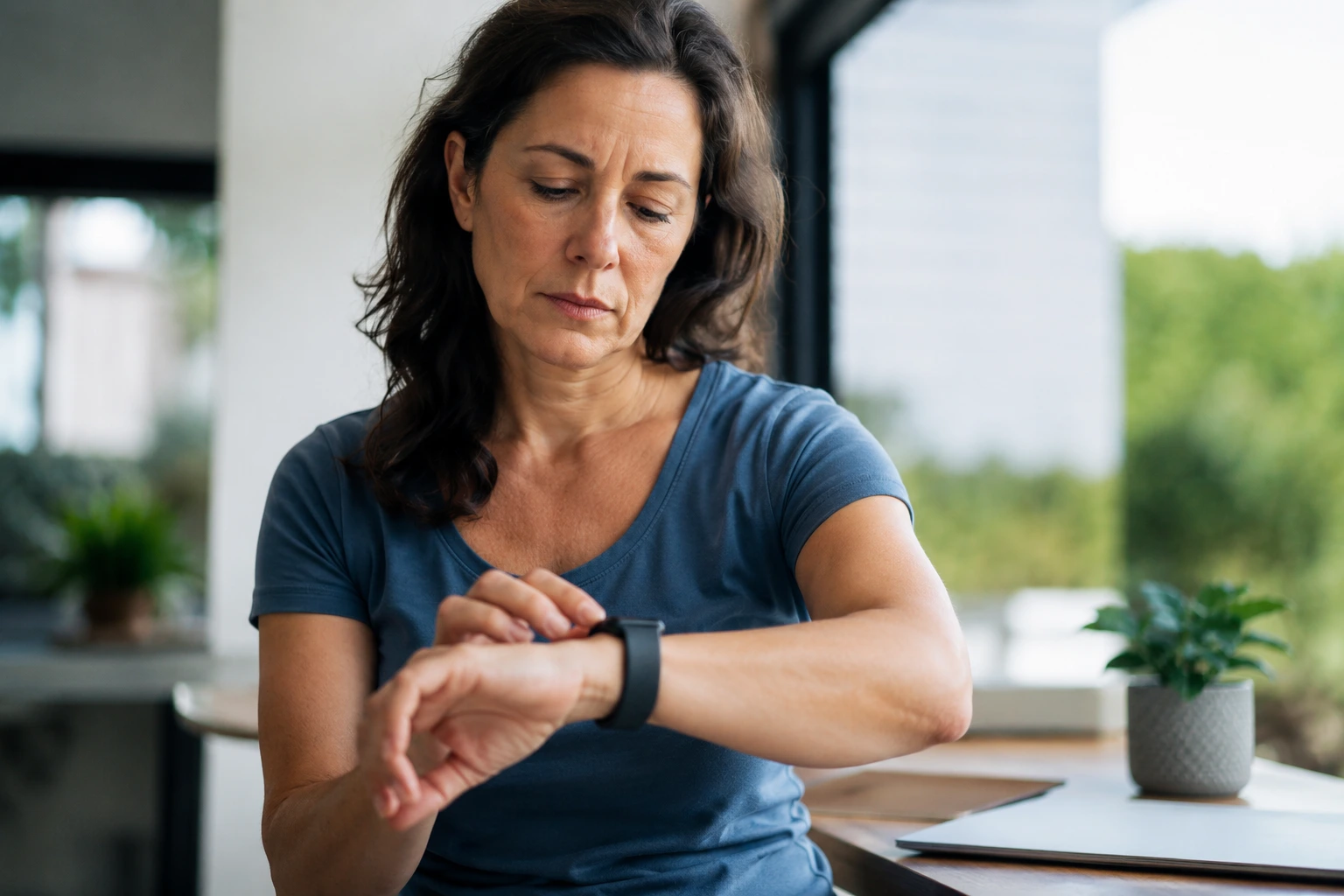
You’re tired of wondering if that weird flutter in your chest is serious, tired of forgetting your medications, tired of feeling out of touch with your own health – smartwatch health alerts are the safety net you didn’t know you needed.
Understanding smartwatch health alerts
Smartwatch health alerts are notifications your wearable device sends to keep you informed about your health status in real time. Think of them as a personal health assistant on your wrist. These alerts can remind you to take your blood pressure medication at 8 AM, warn you when your heart rate climbs above your normal range, or notify you about irregular heartbeat patterns your device detects. For seniors, this means you’re not relying on memory alone. Your watch becomes a second set of eyes monitoring patterns you might miss. An alert might catch a potential issue early, giving you time to contact your doctor before something becomes serious. The alerts work by continuously measuring your vital signs and comparing them to baseline values you set up during initial configuration.
- Receive timely reminders for medications and appointments
- Monitor your heart rate, blood pressure, and activity levels effortlessly
- Stay informed about potential health issues like irregular heartbeats
Setting up health alerts on your smartwatch
Setting up health alerts on your smartwatch is straightforward and takes about 10 to 15 minutes. Start by opening the health app on your device, usually found on your home screen. Look for settings or preferences, then navigate to alerts or notifications. You will see options to enable different types of alerts: heart rate monitoring, activity reminders, medication notifications, and sleep tracking alerts. For each alert type, you can customize the thresholds. For example, if your resting heart rate is normally 65 beats per minute, you might set an alert to notify you if it exceeds 100. You can also choose how often you want reminders, whether daily, weekly, or only when specific conditions occur. A common mistake seniors make is enabling too many alerts at once, which leads to alert fatigue and ignoring important notifications. Start with two or three critical alerts, then add more as you become comfortable with the device.
📘 Fix your day in under 2 minuteschoose where to begin:
Interpreting smartwatch health alert notifications
When an alert appears on your smartwatch screen, pause and read it carefully. The notification will tell you what triggered it, such as ‘Heart Rate High: 105 bpm’ or ‘Medication Reminder: Blood Pressure Pill Due.’ Take a moment to assess how you feel. Are you experiencing chest discomfort, shortness of breath, or dizziness? If yes, contact your doctor or emergency services immediately. If you feel fine but received a heart rate alert, note the time and what you were doing. Were you climbing stairs or feeling stressed? This context matters when you discuss it with your healthcare provider. Write down alerts in a simple notebook or use your smartwatch’s built-in log feature. This creates a health diary your doctor can review at your next appointment. If an alert confuses you, take a screenshot and ask your doctor to explain what it means. Never ignore repeated alerts about the same issue, as patterns are often more significant than single occurrences.
Benefits of smartwatch health alerts for seniors
For seniors, smartwatch health alerts offer genuine peace of mind by providing real-time health insights you can trust. Imagine living with chronic conditions like atrial fibrillation or high blood pressure. Your smartwatch becomes your advocate, catching irregularities before you feel them. This early warning system has helped countless seniors avoid hospitalizations by alerting them to changes that needed immediate attention. Beyond emergencies, these alerts empower you to manage daily health tasks without relying on family members to remind you. You take your medications on schedule, you know when to rest instead of pushing too hard, and you build confidence in your ability to stay in control. Many seniors report feeling less anxious about their health once they have a smartwatch monitoring them, knowing that if something goes wrong, they will be alerted immediately. This sense of independence and security is invaluable for maintaining quality of life and staying active.
Staying proactive with smartwatch health alerts
Staying proactive means treating your smartwatch alerts as conversations with your health, not just notifications to dismiss. Review your alerts weekly and look for patterns. If you receive three heart rate alerts on days you skip exercise, that tells you something. If medication reminders show you are consistently late taking your pills, adjust your routine or set an earlier alarm. Keep a simple log of alerts and share it with your doctor at checkups. This proactive approach transforms your smartwatch from a passive monitor into an active health management tool. Set aside 10 minutes each Sunday to review the past week’s data and alerts. Ask yourself: Did I feel unwell when alerts appeared? Did I follow up appropriately? Are there trends I should discuss with my healthcare provider? By engaging with your data this way, you catch problems early and make informed decisions about your health. Seniors who take this approach report better health outcomes and fewer emergency situations.
Smartwatch health alerts provide valuable notifications and reminders to help seniors monitor and manage their health effectively. By setting up and interpreting these alerts, seniors can stay proactive in their health management.
How do smartwatch health alerts benefit seniors?
Smartwatch health alerts benefit seniors by providing real-time health insights and reminders, empowering them to take charge of their well-being and make informed decisions.
Can smartwatch health alerts be personalized?
Yes, smartwatch health alerts can be personalized to cater to individual health goals and preferences. Users can choose the type of alerts they wish to receive and customize the settings accordingly.
Others also read:
Disclaimer: This article is for informational purposes only and is not a substitute for professional medical advice. Always consult a healthcare professional for personal guidance.
This guide has been prepared and reviewed by the GlobalHealthBeacon editorial team and reflects current medical research as of 2026. It provides structured, evidence-based information to support informed health decisions.
