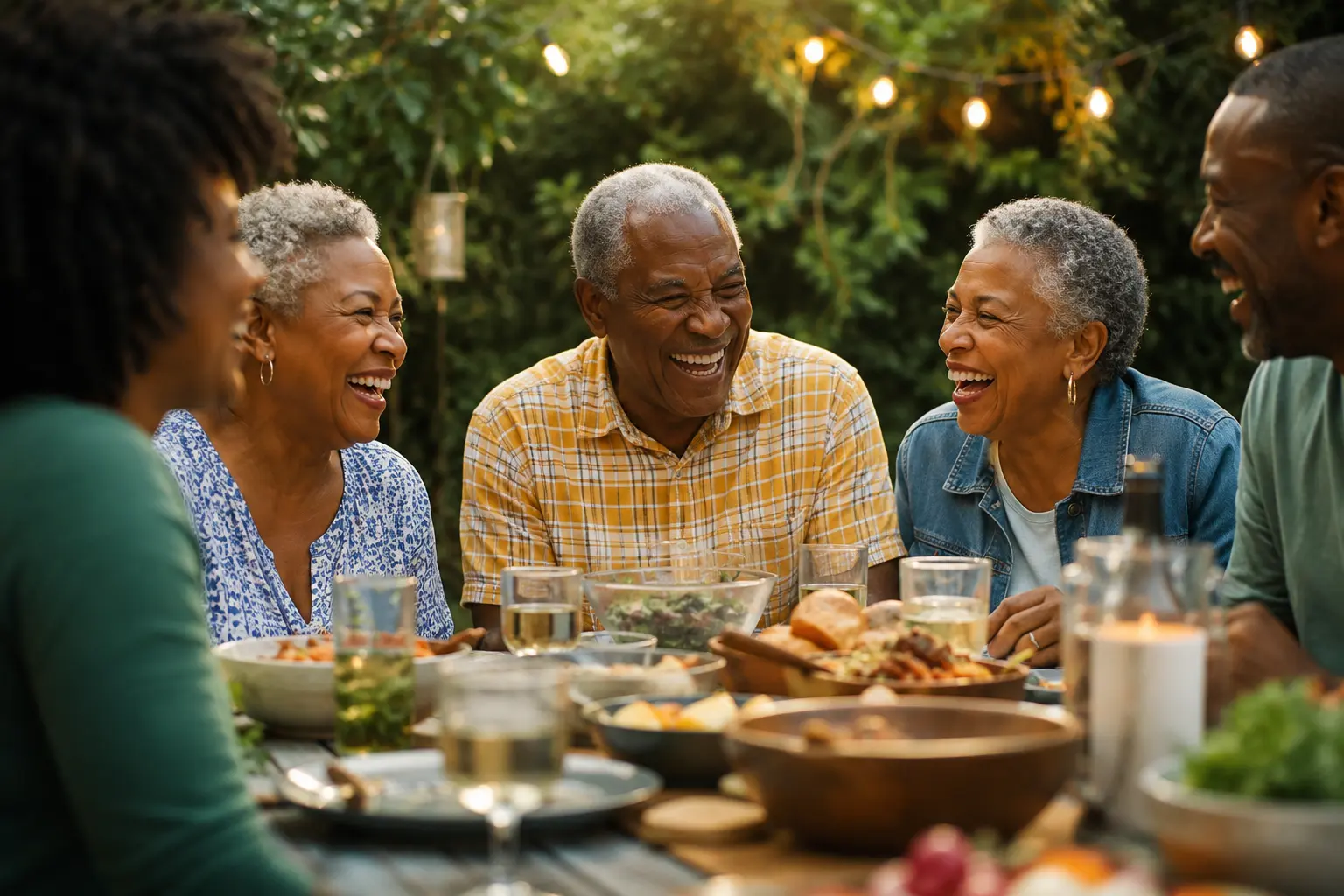
Feeling isolated, watching the years pile up without meaningful connection, wondering if anyone really needs you anymore – that hollow ache is exactly why social connection and longevity are inseparable, and why your relationships might be the most powerful health tool you have.
The science of social connection
The link between social bonds and how long we live is backed by decades of solid research. When you maintain regular contact with friends, family, or community members, your body responds at a cellular level. Studies from Harvard and other institutions show that people with strong social ties live longer, sometimes by as much as a decade compared to isolated individuals. Think of it this way: a 75-year-old who regularly gathers with friends, joins a book club, or volunteers at a local organization isn’t just passing time. They’re actively strengthening their immune response, reducing inflammation markers, and keeping their brain sharp. The mechanism works through multiple pathways. Social interaction triggers the release of protective hormones, reduces cortisol (the stress hormone), and gives your cardiovascular system a genuine workout. When you laugh with someone, share a meal, or have a meaningful conversation, your body registers safety and belonging, which translates into measurable health gains.
- Regular social interactions can lower the risk of depression and anxiety by up to 50 percent in older adults
- Strong social ties may boost your immune system and decrease inflammation markers that accelerate aging
- Sharing experiences with others can improve cognitive function and memory retention as you age
Building strong bonds
Quality matters far more than quantity when it comes to relationships. You don’t need dozens of acquaintances; you need a handful of people who genuinely understand you and whom you can be yourself around. Start by identifying who those people are right now. Maybe it’s a sibling, a longtime neighbor, or someone from your faith community. Once you’ve identified them, commit to regular contact, not just occasional check-ins. Schedule weekly phone calls or monthly coffee dates and treat them like doctor’s appointments – non-negotiable. If you’re looking to expand your circle, consider joining groups aligned with your interests. A gardening club, a walking group, a volunteer organization at a local food bank, or a senior center class gives you built-in reasons to show up and connect with others who share your passions. The beauty of these settings is that you’re bonding over something you already enjoy, which makes the connection feel natural rather than forced.
📘 Fix your day in under 2 minuteschoose where to begin:
Nurturing relationships
Healthy relationships don’t maintain themselves, especially as life gets busier or people move away. They require intentional effort and genuine presence. When you’re with someone, put your phone away and actually listen. Ask questions about their lives, remember details they’ve shared, and follow up on them later. If a friend mentioned their grandchild’s soccer game, ask how it went next time you talk. These small gestures signal that you care and that they matter to you. Show up during difficult times, not just celebrations. When someone is grieving, recovering from surgery, or facing a challenge, that’s when your presence becomes invaluable. You don’t need to fix anything or say the right words; simply being there and offering practical help like bringing a meal or running an errand speaks volumes. Gratitude also strengthens bonds. Tell people why you value them. A simple message saying ‘I was thinking of you today and grateful for our friendship’ costs nothing but means everything.
Embracing technology
If mobility is limited, if loved ones live far away, or if weather makes travel difficult, technology offers real solutions. Video calls with grandchildren, messaging apps that let you stay in touch throughout the day, and online communities built around shared interests can provide genuine connection and belonging. A 78-year-old in rural Montana can join a virtual painting class with people from three continents. A grandmother recovering from hip surgery can attend her book club meeting from her living room via video. Online support groups for specific health conditions connect you with people who truly understand what you’re facing. The key is choosing platforms you’re comfortable with and asking family members to help you get set up if needed. Don’t dismiss technology as a poor substitute for in-person connection; it’s a bridge that makes connection possible when geography or circumstance would otherwise prevent it. Many seniors find that a combination of in-person gatherings and virtual touchpoints creates the richest social life.
Balancing social and alone time
Connection is vital, but so is solitude. You need quiet time to reflect, recharge, and listen to what your body and mind need. Constant social engagement can actually drain energy, especially if you’re introverted or managing health challenges. The goal is rhythm, not constant activity. You might spend Tuesday afternoon at a community center class, Wednesday evening on a video call with family, and Thursday morning gardening alone in your backyard. Pay attention to how you feel. If you’re dreading social events or feeling exhausted afterward, you might need more recovery time. If you’re spending most evenings alone and feeling restless or low, you likely need more connection. Self-care during alone time matters too. Use it for activities that genuinely restore you, whether that’s reading, gardening, meditation, or simply sitting quietly with a cup of tea. The balance you strike is personal and may shift with seasons, health changes, or life circumstances. What matters is that you’re intentional about both connection and solitude, honoring what you need to feel whole.
Social connection is one of the most underrated health interventions available to you. By nurturing existing relationships, building new ones through shared interests, embracing technology when needed, and balancing social time with restorative solitude, you create a foundation for not just longer life but a richer, more meaningful one. The relationships you invest in today become the support system, joy, and sense of purpose that carry you through tomorrow.
How can social connections benefit longevity?
Maintaining social connections has been linked to increased longevity, improved mental health, and reduced risk of various health conditions including heart disease and cognitive decline. Engaging in meaningful interactions with others boosts immune function, reduces harmful stress hormones, and gives life a sense of purpose and belonging, all of which contribute to overall well-being and quality of life.
What are some practical ways to strengthen social bonds?
To strengthen social bonds, focus on quality relationships with people who uplift you, schedule regular in-person or virtual contact, join groups or volunteer opportunities aligned with your interests, practice active listening and genuine presence, show up during difficult times, express gratitude, and balance social engagement with restorative alone time that honors your personal needs.
Others also read:
Disclaimer: This article is for informational purposes only and is not a substitute for professional medical advice. Always consult a healthcare professional for personal guidance.
This guide has been prepared and reviewed by the GlobalHealthBeacon editorial team and reflects current medical research as of 2026. It provides structured, evidence-based information to support informed health decisions.
