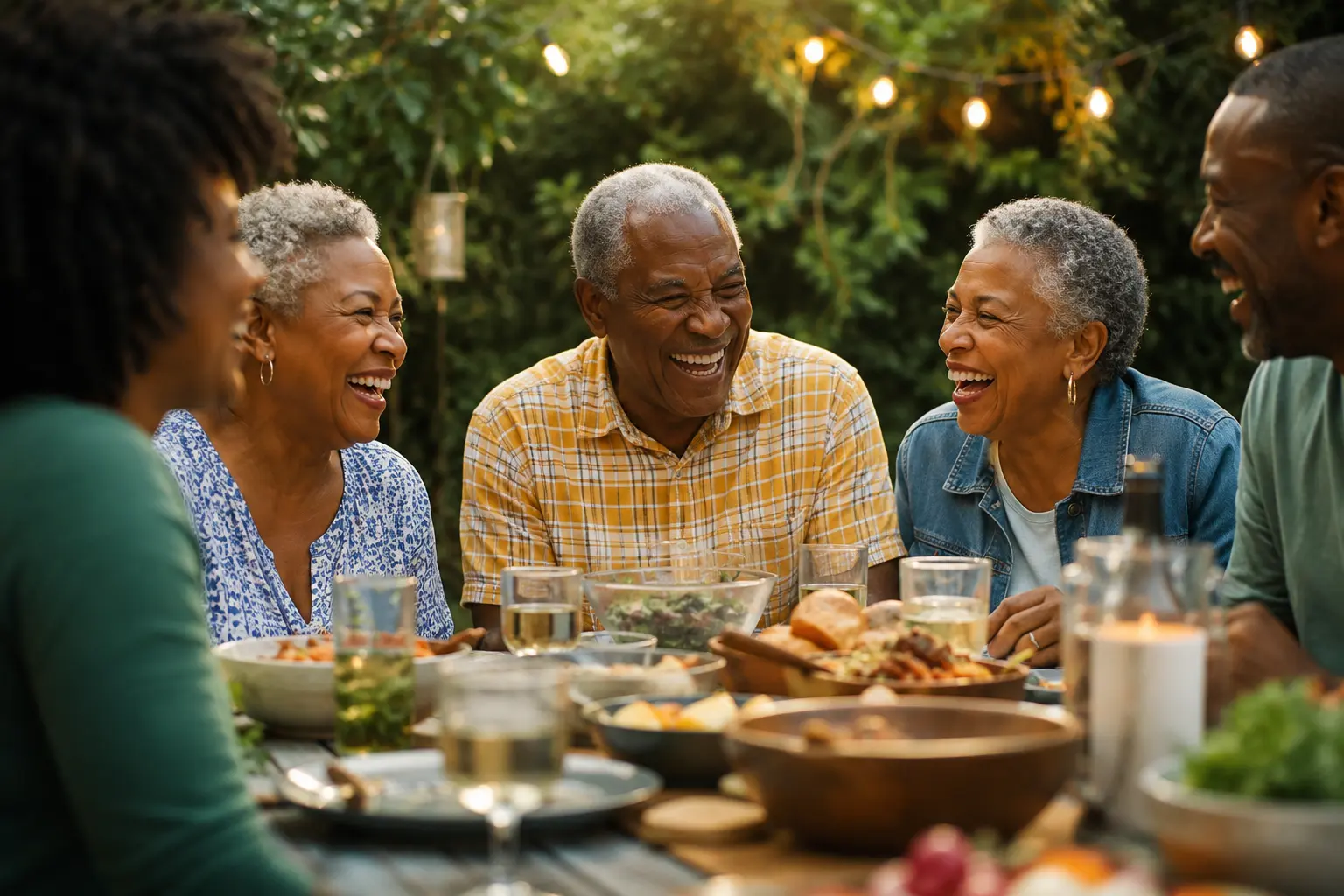
Feeling isolated and wondering if it’s actually affecting your health, or watching a loved one withdraw and sensing something’s off – the truth is, social connection and longevity are deeply linked, and ignoring this connection could be costing you years of vibrant living.
The power of social connection
Social connections operate like a health multiplier for seniors. When you spend regular time with family and friends, your body responds by releasing hormones that lower stress and inflammation. Consider Margaret, a 72-year-old who joined a weekly book club after her husband passed away. Within months, her doctor noted her blood pressure had stabilized and her mood had lifted noticeably. This isn’t coincidence. Meaningful conversations stimulate your brain’s neural pathways, keeping memory sharp and cognitive decline at bay. Shared activities, whether gardening with a neighbor or playing cards with grandchildren, create a sense of purpose that extends far beyond the moment itself. Loneliness, by contrast, triggers a cascade of stress responses that accelerate aging at the cellular level. Research shows isolated seniors have higher rates of heart disease, depression, and cognitive decline. The emotional support you receive from close relationships acts as a buffer against life’s inevitable challenges, while the sense of belonging reinforces your will to stay healthy and engaged.
- Regular social interaction can combat feelings of loneliness and isolation.
- Engaging in meaningful conversations can stimulate cognitive function and memory.
- Shared activities with loved ones can promote a sense of purpose and fulfillment.
Building and maintaining relationships
Cultivating strong social bonds requires intentional effort, but the payoff is substantial. Start by scheduling regular contact with family members, not just on holidays. A weekly phone call or video chat creates rhythm and predictability that both you and your loved ones can count on. If distance is a barrier, set a specific day and time so it becomes part of your routine. Beyond family, actively seek out community. Join a senior center, volunteer at a local food bank, or attend a faith-based gathering if that resonates with you. These environments naturally create repeated interactions with the same people, which deepens connection over time. Avoid the common mistake of waiting for others to reach out first. Take the initiative. Invite someone for coffee, suggest a walk, or propose attending an event together. Many seniors hesitate because they fear being a burden, but most people genuinely appreciate the invitation and the chance to connect. Start small if social situations feel overwhelming. One meaningful conversation beats a crowded event where you feel invisible. Quality matters far more than quantity when building relationships that sustain you.
📘 Fix your day in under 2 minuteschoose where to begin:
Embracing technology for connection
Technology has transformed how seniors can stay connected, removing barriers that once made isolation inevitable. If you live far from grandchildren, video calls let you see their faces and share real moments together. Apps like Zoom, FaceTime, or WhatsApp are designed to be simple, and most libraries or senior centers offer free classes to help you learn them. Social media platforms like Facebook allow you to join groups centered on your interests, whether that’s gardening, travel, cooking, or local events. Online forums dedicated to hobbies or health conditions connect you with people who truly understand your experiences. Virtual classes, from yoga to painting to language learning, provide both skill-building and the chance to interact with others pursuing the same goals. The key is finding what feels natural to you. Not every senior needs to master every platform. If email works best for you, that’s perfectly valid. If you prefer video calls to text, lean into that. The goal isn’t tech mastery but using available tools to bridge distance and maintain the relationships that matter most. Many seniors discover that technology actually reduces anxiety once they get comfortable with it, because they can reach out whenever they want without leaving home.
Supporting mental and emotional well-being
Strong social connections depend on your own emotional foundation. When you’re struggling with depression, anxiety, or persistent loneliness, reaching out becomes harder, not easier. This is why self-care and professional support matter. Identify activities that genuinely bring you joy, not what you think you should enjoy. For some, that’s gardening; for others, it’s reading, music, or time in nature. Do these things regularly, not as a luxury but as maintenance. Practice basic self-care: sleep, movement, and nutrition directly affect your mood and your ability to show up in relationships. If you find yourself stuck in negative thought patterns or withdrawing from people you normally enjoy, that’s a signal to seek help. Speaking with a therapist or counselor isn’t weakness; it’s wisdom. Many seniors benefit from short-term therapy to work through grief, loss, or life transitions. Your doctor can provide referrals. Some communities offer free or low-cost mental health services specifically for older adults. Recognize too that small acts of kindness toward others, whether volunteering or simply listening to a friend’s troubles, boost your own sense of purpose and well-being. The relationship between giving and receiving support is reciprocal and healing.
The role of social bonds in longevity
The evidence is clear and compelling: seniors with strong social networks live longer and experience fewer health problems than isolated peers. A landmark study following thousands of older adults over a decade found that those with rich social connections had a 50 percent lower mortality risk. This isn’t just about feeling good, though that matters. Active social engagement reduces inflammation markers in the blood, lowers blood pressure, strengthens immune function, and even slows cognitive decline. Consider the story of a senior community where residents prioritized shared meals and group activities. Members reported better sleep, fewer doctor visits, and a palpable sense of belonging. When one resident faced a health crisis, the community rallied, providing meals and support that accelerated recovery. This is the power of investment in relationships. You don’t need a large social circle; research shows that even a few close, meaningful connections provide substantial health benefits. What matters is quality, consistency, and genuine care. By choosing to nurture relationships, stay engaged with your community, and prioritize connection, you’re not just improving your mood or filling time. You’re actively extending your life and deepening its richness. This isn’t theoretical; it’s measurable, documented, and within your control.
Fostering strong social bonds through regular interaction, shared activities, and emotional support can have a positive impact on the mental, emotional, and physical health of seniors. Research suggests that cultivating social connections may contribute to a longer and more fulfilling life.
How can social connections benefit seniors?
Social connections can provide emotional support, reduce stress, combat loneliness, stimulate cognitive function, and enhance overall well-being for seniors.
What are some practical ways to maintain social bonds?
Seniors can stay connected through phone calls, video chats, in-person visits, community groups, social events, and online platforms to foster and maintain strong social relationships.
Others also read:
Disclaimer: This article is for informational purposes only and is not a substitute for professional medical advice. Always consult a healthcare professional for personal guidance.
This guide has been prepared and reviewed by the GlobalHealthBeacon editorial team and reflects current medical research as of 2026. It provides structured, evidence-based information to support informed health decisions.
