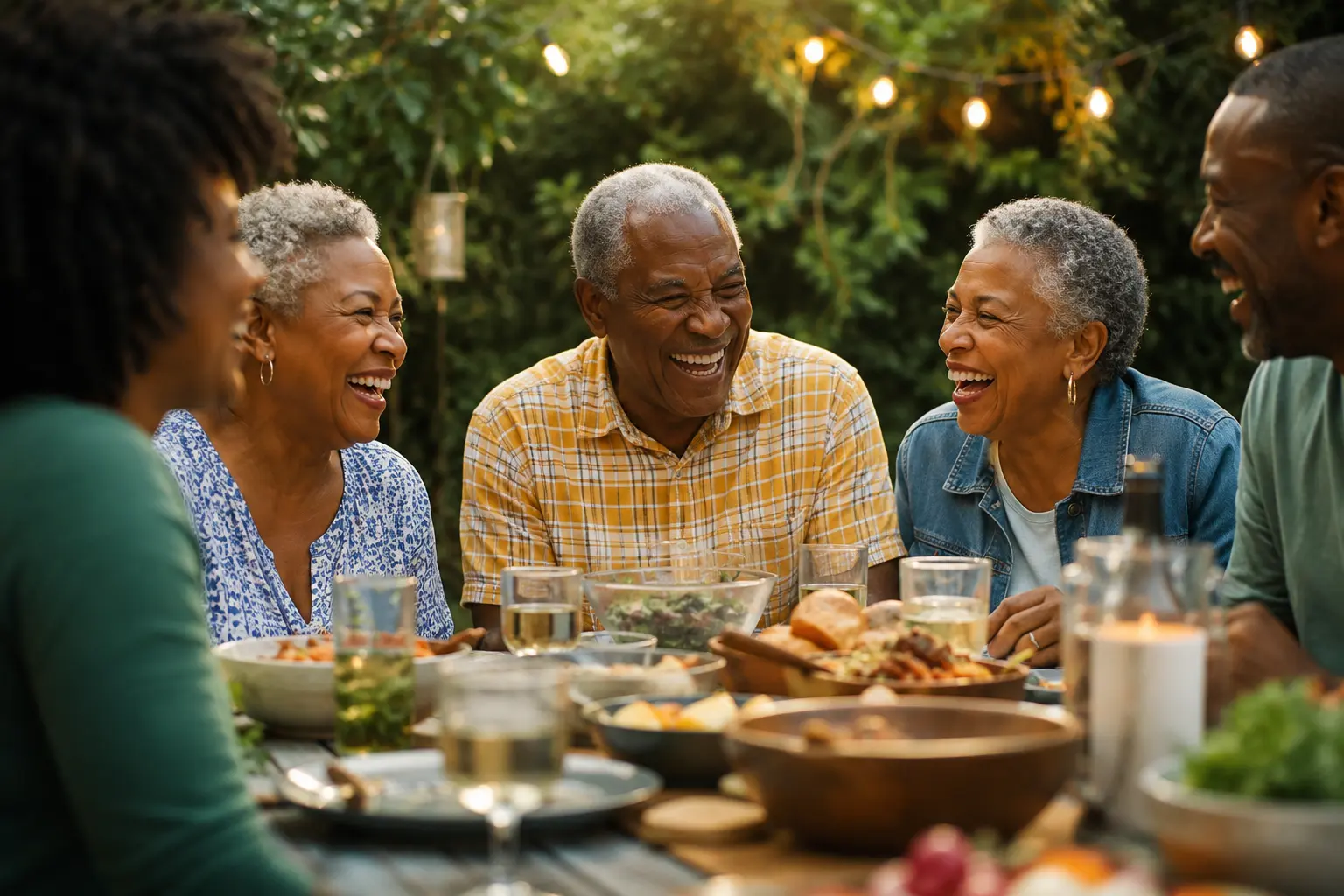
You feel it in your bones: the isolation creeping in, the quiet ache of disconnection, and the nagging fear that loneliness might actually be shortening your life, and the truth is, social connection and longevity are so deeply intertwined that ignoring one means risking the other.
The biological impact of social connection
When you maintain strong social ties, your body responds in measurable, tangible ways. Research consistently demonstrates that women with robust social networks experience lower blood pressure, reduced cortisol levels, and stronger immune responses compared to socially isolated peers. Consider Sarah, a 62-year-old woman who joined a weekly book club after her retirement. Within months, her doctor noted improvements in her inflammatory markers and overall cardiovascular health. The mechanism is straightforward: social support activates your parasympathetic nervous system, the calming branch that counteracts chronic stress. This physiological shift reduces the wear and tear on your organs, decreases the risk of heart disease, diabetes, and certain cancers, and fundamentally alters how your body ages at the cellular level. Women who prioritize meaningful connections don’t just feel better emotionally; their bodies literally function more efficiently, recovering faster from illness and maintaining better metabolic balance throughout their lives.
The role of oxytocin in women’s longevity
Oxytocin, often called the bonding hormone, surges when you hug someone, have a meaningful conversation, or share a meal with people you care about. In women specifically, oxytocin plays a protective role that extends far beyond emotional warmth. When oxytocin levels rise, your cardiovascular system relaxes, blood vessel inflammation decreases, and your immune cells become more active and responsive. Research shows that women with higher baseline oxytocin levels have better heart rate variability, a key marker of cardiovascular health and longevity. Think of oxytocin as your body’s natural anti-inflammatory agent, released through genuine human connection. Women who regularly engage in close relationships experience sustained elevation of this hormone, which translates to reduced arterial stiffness, lower blood pressure, and improved wound healing. The beauty of this system is that it’s self-reinforcing: meaningful time with loved ones triggers oxytocin release, which makes you feel better and more inclined to seek further connection, creating a positive cycle that compounds health benefits over decades.
How to cultivate meaningful relationships
Building genuine connections requires intentional effort, not just passive presence. Start by examining your current relationships and identifying which ones feel truly nourishing versus draining. Quality relationships involve vulnerability, shared values, and consistent emotional reciprocity. Instead of maintaining a large acquaintance network, focus on deepening 3 to 5 core relationships where you can be authentically yourself. Engage in activities that create natural opportunities for emotional intimacy: cooking together, walking side by side, or having uninterrupted conversations without phones. Active listening is foundational; when someone speaks, listen to understand rather than to respond. Ask follow-up questions, remember details they share, and circle back to them in future conversations. Many women make the mistake of waiting for others to initiate connection or believing they don’t have time for relationship maintenance. The reality is that 20 minutes of genuine conversation weekly with someone you trust delivers measurable health benefits. Start small, be consistent, and watch how these intentional practices transform both your relationships and your physical health.
- Prioritize quality over quantity in your social connections.
- Engage in activities that foster genuine emotional intimacy.
- Practice active listening and empathy in your interactions.
🔬 Science-backed benefits in 2 minuteschoose where to begin:
The neurological benefits of social interaction
Your brain is fundamentally wired for connection, and every social interaction triggers a cascade of neurochemical changes. When you engage in meaningful conversation or spend time with someone you trust, your brain releases serotonin, dopamine, and endorphins simultaneously. These neurotransmitters don’t just make you feel happy in the moment; they strengthen neural pathways associated with memory, emotional regulation, and cognitive function. Women who maintain active social lives show better performance on cognitive tests and lower rates of cognitive decline as they age. The prefrontal cortex, responsible for decision-making and emotional control, becomes more resilient with regular social engagement. Additionally, social interaction stimulates the production of brain-derived neurotrophic factor (BDNF), a protein that supports the growth and survival of neurons. Think of each meaningful conversation as a workout for your brain, strengthening connections and building cognitive reserve that protects against age-related decline. Women who prioritize social engagement often report sharper memory, better mood stability, and greater mental clarity, benefits that compound over time and contribute significantly to both quality and length of life.
The impact of loneliness on longevity
Loneliness operates like a chronic stressor on your body, triggering sustained elevation of cortisol and inflammation markers that accelerate aging at the cellular level. Studies show that socially isolated women have mortality rates comparable to women who smoke 15 cigarettes daily, a sobering reality that underscores loneliness as a genuine health risk. The mechanism involves both direct physiological effects and behavioral pathways: lonely individuals often sleep poorly, exercise less, and make less healthy food choices, creating a downward spiral. Margaret, a 70-year-old widow, experienced increasing isolation after her husband’s death, leading to elevated blood pressure, weakened immune function, and a diagnosis of depression. Once she joined a community group and rebuilt her social circle, her health markers improved dramatically within six months. Loneliness doesn’t just feel bad; it fundamentally alters your immune response, making you more susceptible to infection and chronic disease. The antidote isn’t complicated: regular, genuine human connection in whatever form feels authentic to you, whether that’s family, friends, community groups, or volunteer work. Recognizing loneliness as a health threat rather than a personal failing is the first step toward taking action to rebuild connection.
The power of support networks in enhancing longevity
A strong support network functions as your personal health insurance policy, providing emotional buffers during stress and practical assistance during difficult times. Women with robust support systems recover faster from illness, experience lower rates of depression and anxiety, and maintain better overall health outcomes. Your support network doesn’t need to be large; research suggests that having 3 to 5 people you can genuinely rely on delivers maximum health benefits. These relationships provide a sense of belonging, which activates reward centers in your brain and reinforces healthy behaviors. When you know someone cares about your wellbeing, you’re more likely to attend medical appointments, take medications as prescribed, and make healthier lifestyle choices. Consider the difference between facing a health challenge alone versus having people who check in on you, help with practical tasks, and remind you of your strength. This emotional scaffolding reduces stress hormones, supports immune function, and creates meaning and purpose in daily life. Building a support network takes time and vulnerability, but the investment pays dividends in both immediate wellbeing and long-term longevity, making it one of the most powerful health interventions available to women.
The science is clear: social connection and longevity are inseparable for women. The biological mechanisms are robust and measurable, from oxytocin’s protective cardiovascular effects to the neurological benefits of regular social engagement. Building meaningful relationships, cultivating active listening skills, and creating a reliable support network aren’t luxuries or nice-to-haves; they’re foundational health practices that rival exercise and nutrition in their impact on lifespan and quality of life. Start where you are, with the relationships you have, and commit to deepening them through consistent, genuine presence.
Can social connections truly impact women’s longevity?
Yes, research demonstrates that strong social ties significantly enhance women’s longevity by reducing chronic disease risk, promoting better health outcomes, and improving overall wellbeing. The effects are measurable at the physiological level, including improved cardiovascular function, stronger immune response, and reduced inflammation markers.
What are some practical ways to improve social connections for better longevity?
To enhance social connections, prioritize quality over quantity in relationships, engage in activities that foster emotional intimacy, and practice active listening in interactions. Start with 3 to 5 core relationships and commit to consistent, genuine presence. Even 20 minutes of meaningful conversation weekly delivers measurable health benefits.
Others also read:
Disclaimer: This article is for informational purposes only and is not a substitute for professional medical advice. Always consult a healthcare professional for personal guidance.
This article has been prepared and reviewed by the GlobalHealthBeacon editorial team and is based on current medical research and published scientific literature available in 2026. It provides structured, evidence-based information to support informed health decisions.
