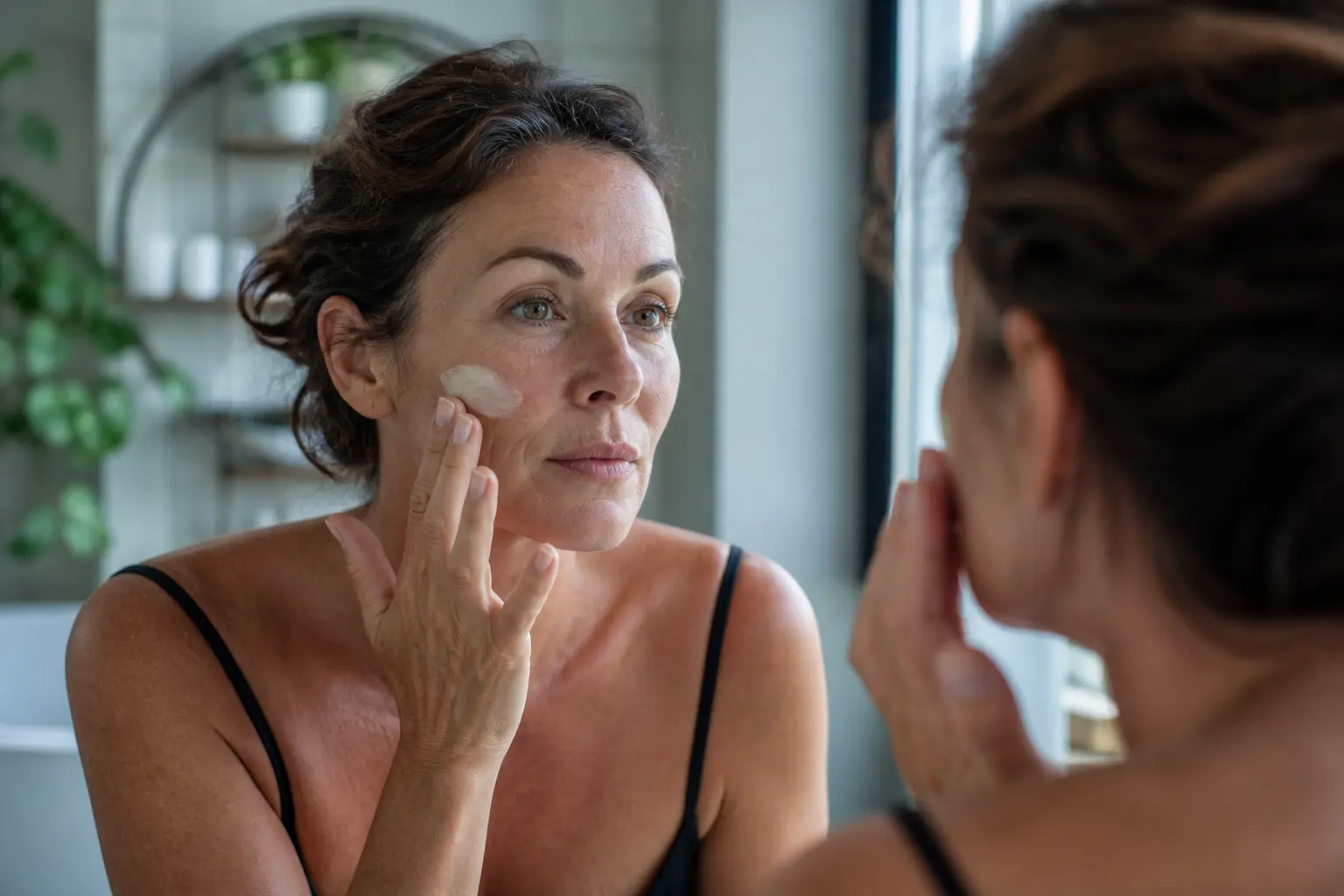
You’re noticing fine lines earlier than you expected, and sun damage is silently aging your skin right now, but understanding spf anti-aging benefits could be the single most important decision you make for your face today.
Understanding SPF anti-aging benefits
SPF, or Sun Protection Factor, is your skin’s defense system against one of the most preventable causes of premature aging. Think of UV rays as invisible damage agents that break down collagen and elastin in your skin every single day you’re exposed without protection. Young adults often underestimate how much sun exposure accumulates over time. A typical day running errands, commuting, or spending time outdoors adds up fast. Sun damage doesn’t announce itself immediately, which is why many people in their twenties and thirties suddenly notice fine lines, wrinkles, and dark spots that seem to appear overnight. The reality is they’ve been developing for years. By using SPF consistently now, you’re essentially hitting pause on photoaging. You shield your skin from harmful UVA and UVB rays that penetrate deep into the dermis, preventing the breakdown of skin structure. This isn’t vanity, it’s maintenance. The spf anti-aging benefits extend beyond appearance too, protecting against skin cancer risk while keeping your complexion clear and resilient.
- Protects against harmful UV rays that cause visible aging
- Prevents premature skin aging and photoaging damage
- Maintains skin’s youthful appearance and elasticity
Choosing the right SPF
Walking into a skincare aisle can feel overwhelming with endless options, but the fundamentals are straightforward. Start with broad-spectrum sunscreen rated SPF 30 or higher for daily use. Broad-spectrum means it blocks both UVA and UVB rays, giving you complete protection. SPF 30 blocks about 97 percent of UVB rays, while SPF 50 blocks 98 percent, so the jump in protection plateaus quickly. For young adults, SPF 30 is sufficient for daily routines, but if you spend extended time outdoors, SPF 50 is worth the investment. Consider your skin type when selecting a formula. Oily skin benefits from lightweight, mattifying sunscreens or mineral options that won’t clog pores. Dry skin needs hydrating formulas with ingredients like glycerin or hyaluronic acid. Sensitive skin often tolerates mineral sunscreens with zinc oxide or titanium dioxide better than chemical alternatives. Don’t forget the reapplication rule, especially if you’re outdoors for extended periods. Every two hours, or immediately after swimming or sweating, you need to reapply. Many people apply sunscreen once in the morning and assume they’re protected all day, which is a common mistake that undermines the entire benefit.
📘 Fix your day in under 2 minuteschoose where to begin:
Incorporating SPF into your routine
Making SPF a non-negotiable habit requires integrating it seamlessly into your existing routine rather than treating it as an extra step. The best time to apply sunscreen is the last step of your morning skincare, right before makeup or moisturizer. Apply a generous amount, about a quarter teaspoon for your face, and let it set for a minute before moving forward. Many people apply too little, which reduces effectiveness significantly. A practical approach for young adults with busy schedules is using SPF-infused products. Daily moisturizers with SPF 30 built in save time and ensure you’re protected even on rushed mornings. SPF foundations and BB creams offer another layer of convenience, though they shouldn’t replace a dedicated sunscreen if you’re spending significant time outdoors. Consider your lifestyle when planning application. If you work indoors most of the day, morning application with a moisturizer SPF might be sufficient. If you commute, exercise outdoors, or spend lunch breaks outside, you’ll need to reapply or use a powder sunscreen for touch-ups. Keep a travel-size sunscreen in your bag or desk as a reminder and backup. The habit sticks faster when you remove friction from the process.
Additional anti-aging tips
SPF is foundational, but it works best as part of a broader anti-aging strategy. Hydration from the inside out matters more than most young adults realize. Drinking adequate water supports skin elasticity and helps your skin repair itself from daily stress. Aim for at least eight glasses daily, more if you exercise or live in a dry climate. Your diet directly impacts skin aging too. Foods rich in antioxidants like berries, leafy greens, and fatty fish protect against free radical damage that accelerates aging. Omega-3 fatty acids from salmon or walnuts support skin barrier function and reduce inflammation. Sleep is where your skin actually repairs itself. During deep sleep, your body increases blood flow to the skin and rebuilds collagen. Consistently getting seven to nine hours of quality sleep makes a visible difference in skin texture and radiance within weeks. Lifestyle factors matter equally. Smoking accelerates collagen breakdown and causes premature wrinkles, particularly around the mouth and eyes. Limiting alcohol reduces dehydration and inflammation that age skin prematurely. Stress management through exercise, meditation, or hobbies also prevents stress-induced skin issues like breakouts and dullness. These practices amplify your SPF protection and create a comprehensive anti-aging foundation.
Consulting a dermatologist
While general skincare guidance helps, a dermatologist provides personalized assessment that accounts for your unique skin type, genetics, and lifestyle. They can identify early signs of sun damage you might miss and recommend targeted treatments if needed. A dermatologist can also evaluate whether your current SPF product is truly suitable for your skin or if adjustments would improve results. They might recommend professional treatments like chemical peels or laser therapy to address existing damage while you prevent future aging with consistent SPF use. This is especially valuable for young adults with specific concerns like acne-prone skin, sensitivity, or a family history of skin cancer or premature aging. Many dermatologists offer preventive consultations, not just treatment for problems already present. Getting ahead of aging in your twenties or early thirties with professional guidance sets you up for significantly better skin outcomes by your forties and beyond. Your dermatologist becomes a partner in your long-term skin health strategy, helping you navigate product choices, adjust routines seasonally, and stay informed about new protective technologies.
Understanding the importance of SPF in combating premature aging is key for young adults. By choosing the right SPF, incorporating it into your routine, and adopting healthy lifestyle habits, you can maintain youthful skin and prevent premature wrinkles.
Is SPF only necessary during sunny days?
No, UV rays can penetrate clouds and cause skin damage even on overcast days. It’s essential to wear SPF daily, regardless of the weather.
Can I skip SPF if my makeup contains sunscreen?
While SPF in makeup offers some protection, it’s often not sufficient. Layering a dedicated sunscreen under makeup ensures comprehensive UV protection.
Disclaimer: This article is for informational purposes only and is not a substitute for professional medical advice. Always consult a healthcare professional for personal guidance.
This guide has been prepared and reviewed by the GlobalHealthBeacon editorial team and reflects current medical research as of 2026. It provides structured, evidence-based information to support informed health decisions.
