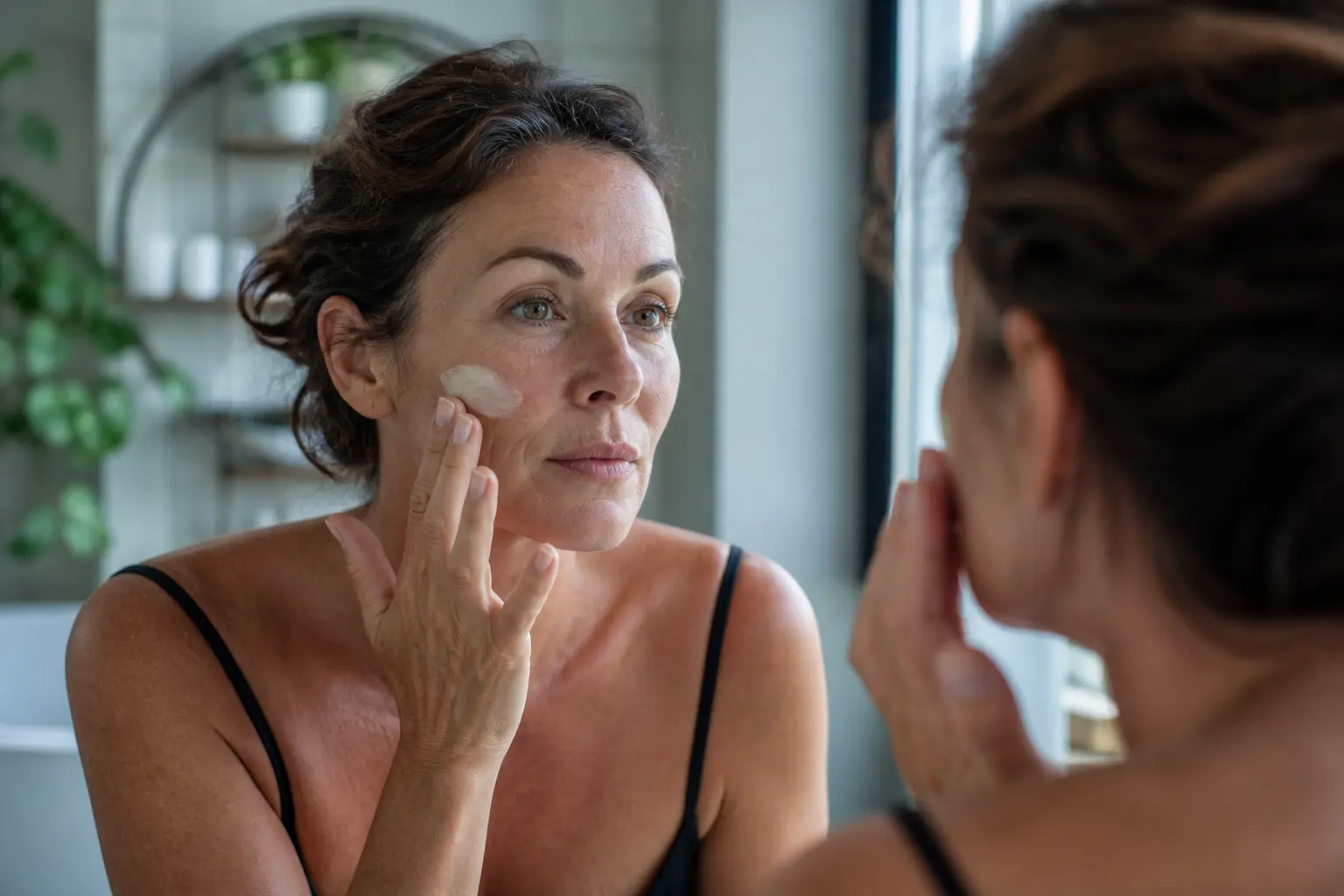
You’re staring at fine lines that weren’t there last year, noticing sun damage creeping across your cheekbones, and wondering if all those promises about spf anti aging benefits are actually real or just clever marketing designed to empty your wallet.
Understanding SPF: the basics
SPF, or Sun Protection Factor, is a numerical rating system that measures how effectively a sunscreen blocks UVB radiation, the ultraviolet rays responsible for sunburns. The number itself represents a ratio: SPF 30 means you can theoretically stay in the sun 30 times longer before burning compared to unprotected skin. But here’s where it gets practical. If your skin typically burns after 10 minutes of midday sun exposure without protection, SPF 30 would theoretically extend that to 300 minutes, or about 5 hours. However, this calculation assumes perfect application and consistent reapplication, which rarely happens in real life. Most people apply only 25 to 50 percent of the recommended amount, which significantly reduces the actual protection level. Understanding this baseline matters because it shapes realistic expectations about what SPF can and cannot do for your skin over time.
How SPF protects against aging
UV radiation penetrates the skin’s outer layers and damages the deeper structures responsible for maintaining firmness and elasticity. When UVB and UVA rays reach the dermis, they trigger a cascade of cellular damage that accelerates visible aging. SPF works by either absorbing or reflecting these rays before they penetrate deeply, acting as a shield between your skin and the sun’s energy. Consider a woman who spends 20 years commuting to work with sun exposure on her left side of her face. Over time, that side often shows noticeably more wrinkles, age spots, and sagging compared to the shaded right side. This real-world example demonstrates how consistent UV exposure compounds damage. By applying SPF daily, even on cloudy days when UV rays still penetrate cloud cover, you interrupt this accumulation process. The protection isn’t about erasing existing damage but preventing new damage from layering on top of what’s already there, which is why starting early and staying consistent matters far more than any single application.
The science behind SPF for anti-aging
The aging process accelerated by sun exposure involves three primary biological mechanisms. First, UV radiation damages collagen and elastin fibers in the dermis through a process called photoaging. These proteins provide structural support and flexibility to skin, and when UV light breaks them down, the skin loses its ability to bounce back, resulting in wrinkles and sagging. SPF prevents this breakdown by blocking the rays that trigger collagen degradation. Second, UV exposure generates free radicals, unstable molecules that damage cell membranes and DNA within skin cells. These free radicals accelerate cellular aging and can trigger inflammation that further damages skin architecture. SPF acts as a barrier that prevents free radical formation in the first place, rather than trying to neutralize them after they form. Third, chronic sun exposure increases the risk of skin cancer, including melanoma and non-melanoma types, which can cause permanent scarring and tissue damage. By reducing cumulative UV exposure throughout your lifetime, SPF significantly lowers this risk. The science is clear: consistent SPF use slows the visible signs of photoaging by addressing the root cause rather than treating symptoms after damage occurs.
- Apply SPF with at least SPF 30 daily, even on cloudy days, because UV rays penetrate cloud cover and reflect off surfaces like water, concrete, and snow.
- Reapply sunscreen every two hours when outdoors or after swimming, sweating, or toweling off, since no sunscreen lasts all day regardless of claims.
- Seek shade during peak sun hours between 10 am and 4 pm when UV radiation is strongest and causes the most damage to skin cells.
🔬 Science-backed benefits in 2 minuteschoose where to begin:
Potential downsides of SPF
While SPF provides essential protection, it’s not without considerations. Some chemical sunscreens contain ingredients like oxybenzone or avobenzone that can irritate sensitive skin or trigger allergic reactions in susceptible individuals. Mineral sunscreens, which use zinc oxide or titanium dioxide, are generally gentler but can leave a white cast on darker skin tones, leading some women to skip application or use insufficient amounts. Improper application is perhaps the biggest practical downside: most people don’t apply enough sunscreen to achieve the labeled SPF protection, using only a quarter to half of the recommended amount. Additionally, many women forget to reapply, especially when wearing makeup, which means protection diminishes significantly by midday. Some sunscreens also feel heavy or greasy, causing women with oily or acne-prone skin to avoid them entirely, ironically increasing their sun damage risk. The key is finding a formulation that works with your skin type and lifestyle so you’ll actually use it consistently rather than abandoning it for something that feels uncomfortable.
Choosing the right SPF products
Selecting an effective sunscreen requires understanding your specific skin needs and the product’s formulation. Broad-spectrum sunscreens protect against both UVA and UVB rays, which is essential because UVA penetrates deeply and contributes significantly to photoaging and skin cancer risk. For women with acne-prone skin, look for non-comedogenic formulas that won’t clog pores or trigger breakouts, often labeled as oil-free or lightweight. Mineral sunscreens work well for sensitive skin because they sit on top of skin and reflect rays rather than absorbing into skin, reducing irritation risk. If you wear makeup, consider tinted mineral sunscreens or SPF-infused foundations that make application easier and more likely to happen consistently. Check expiration dates because sunscreen ingredients degrade over time, reducing effectiveness. For women who spend significant time outdoors, water-resistant formulas rated for 80 minutes are worth the investment. The best sunscreen is ultimately the one you’ll use every single day without fail, so prioritize texture, finish, and how it feels on your skin over brand reputation or price point alone.
The bottom line on SPF and anti-aging
SPF is not a miracle cure that erases existing wrinkles or reverses years of sun damage, but it is one of the most scientifically proven tools for preventing future damage and slowing visible aging. Think of it as preventive medicine for your skin: you can’t undo a sunburn, but you can prevent the next one. Women who consistently use SPF from their twenties onward typically show noticeably fewer age spots, wrinkles, and signs of photoaging in their forties and fifties compared to peers who neglected sun protection. The investment isn’t in a single product but in a daily habit that compounds over decades. Incorporating SPF into your skincare routine takes minimal effort, costs relatively little, and delivers measurable long-term benefits. Combined with other protective measures like seeking shade and wearing protective clothing, SPF forms the foundation of any anti-aging strategy grounded in science rather than marketing hype.
SPF offers vital protection against UV radiation, a key factor in premature skin aging. By understanding how SPF safeguards the skin and incorporating it into your daily routine, you can help preserve your skin’s youthfulness and minimize the risk of age-related skin issues.
Can SPF completely prevent skin aging?
While SPF is essential for protecting the skin from UV damage, it cannot completely halt the aging process. It can, however, significantly reduce the visible signs of aging caused by sun exposure.
Is a higher SPF sunscreen always better for anti-aging purposes?
In general, an SPF of 30 or higher is recommended for effective protection against UV rays. However, the key lies in consistent and correct application rather than just the SPF number.
Others also read:
Disclaimer: This article is for informational purposes only and is not a substitute for professional medical advice. Always consult a healthcare professional for personal guidance.
This article has been prepared and reviewed by the GlobalHealthBeacon editorial team and is based on current medical research and published scientific literature available in 2026. It provides structured, evidence-based information to support informed health decisions.
