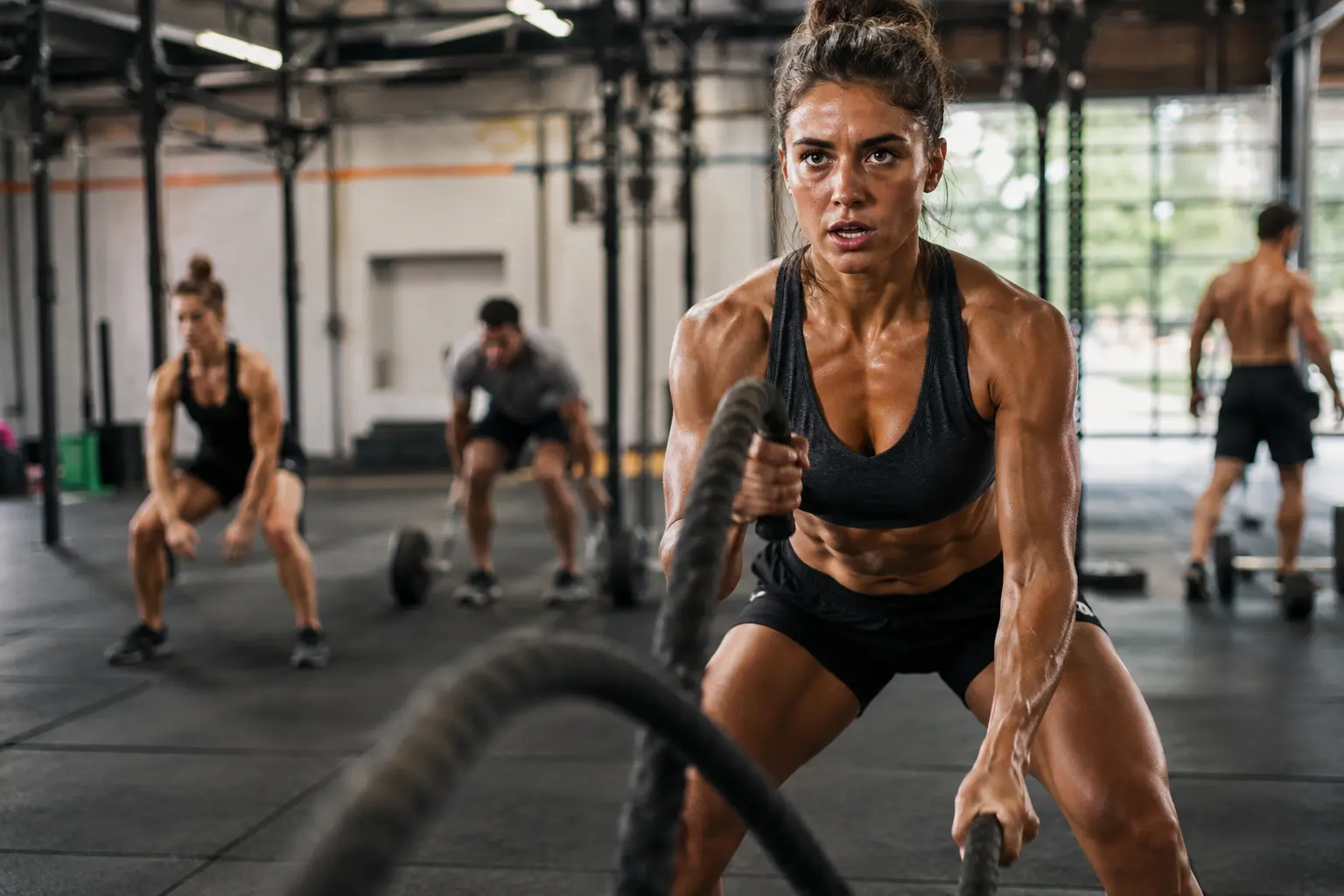
Tired of feeling like you’re stuck in a fitness rut, watching your metabolism slow down year after year while everyone else seems to know the secret to sports burning most calories? Stop guessing and start moving with purpose.
Swimming: dive into calorie burning
Swimming stands out as one of the most effective full-body workouts available to seniors, and for good reason. When you enter the water, your body immediately engages multiple muscle groups simultaneously, from your shoulders and arms to your core and legs. Unlike running or high-impact activities that can stress your joints, swimming distributes your weight evenly, making it accessible even if you have arthritis or joint concerns. Picture yourself doing a steady 30-minute freestyle session at a moderate pace, and you could burn between 300 to 500 calories depending on your intensity and body composition. Many seniors find that starting with a leisurely breaststroke builds confidence, then gradually progressing to faster strokes or longer distances increases calorie expenditure naturally. The water’s resistance also strengthens muscles without requiring heavy weights, and the buoyancy reduces injury risk significantly. A common mistake is assuming you need to swim fast to see results, when consistency and regular sessions matter far more than speed.
- Increases cardiovascular fitness and muscle strength
- Helps burn up to 500 calories per hour
- Improves flexibility and coordination
Cycling: pedal your way to fitness
Cycling offers seniors a practical way to build leg strength and cardiovascular endurance while enjoying flexibility in how and where you exercise. Whether you choose outdoor cycling through scenic neighborhoods or stationary biking in your home, the mechanics remain the same: your quadriceps, hamstrings, and glutes power each pedal stroke, creating sustained calorie burn. A 60-minute moderate cycling session can torch 400 to 600 calories, and the beauty lies in adjustability. You control the resistance and pace, meaning a 75-year-old beginner and an experienced cyclist can ride the same route at different intensities. Many seniors start with stationary bikes to build confidence and strength before venturing outdoors, where terrain and wind add natural resistance. The low-impact nature protects your knees and hips while still delivering serious metabolic benefits. Avoid the mistake of staying in one gear or intensity level, as your body adapts quickly and calorie burn plateaus when you do the same routine repeatedly.
📘 Fix your day in under 2 minuteschoose where to begin:
Tennis: swing into calorie burning
Tennis demands explosive movements, quick directional changes, and sustained focus, making it a surprisingly intense calorie-burning activity for seniors willing to embrace the challenge. A singles match engages your entire body through rapid sprints to the net, lateral slides across the court, and powerful swings that activate your shoulders, core, and legs. During an hour of recreational doubles tennis, you might burn 400 to 500 calories while also sharpening hand-eye coordination and mental agility. Many senior tennis players find that the social aspect keeps them motivated and consistent, which matters more for long-term results than any single workout. Start with doubles rather than singles if you are returning to the sport, as it reduces the court coverage you need while still providing excellent exercise. The key mistake many seniors make is pushing too hard too fast, leading to injury. Instead, focus on proper technique, warm up thoroughly, and gradually build intensity over weeks and months.
Hiking: explore while burning calories
Hiking combines cardiovascular exercise with nature immersion, offering seniors a reason to move that goes beyond fitness numbers alone. When you trek on varied terrain, your body constantly adjusts to elevation changes, uneven ground, and resistance from gravity, forcing your muscles to work harder than flat walking. A moderate two-hour hike on hilly terrain can burn 500 to 800 calories depending on the grade and your pace, while building leg strength and improving balance simultaneously. Many seniors discover that choosing scenic routes with interesting destinations keeps them engaged and willing to push harder than they would on a treadmill. Start with well-maintained trails rated for your fitness level, bring plenty of water, and wear proper footwear to prevent slips. A common pitfall is overestimating your ability early on and choosing trails too steep or long, which leads to injury or burnout. Instead, gradually increase distance and elevation gain over several weeks, allowing your body to adapt safely.
Golf: walk and swing for fitness
Golf often gets overlooked as a fitness activity, yet walking an 18-hole course covers roughly four to five miles while your muscles engage during each swing. The combination of walking, carrying or pushing your bag, and the rotational power required for swinging activates your core, legs, shoulders, and arms throughout the round. A four-hour round of golf can burn 300 to 400 calories, and the mental engagement provides cognitive benefits alongside physical movement. Many seniors appreciate that golf allows for social connection and conversation while exercising, making it feel less like a workout and more like recreation. To maximize calorie burn, walk the course instead of using a cart, and consider carrying your bag rather than using a pull cart. The mistake many golfers make is treating it as purely a game rather than intentional exercise, which means they rest too long between shots and miss opportunities to keep their heart rate elevated. By maintaining a steady walking pace and staying active between shots, you transform golf into a legitimate calorie-burning activity.
Discover the top-ranking senior sports like swimming, cycling, tennis, hiking, and golf that can maximize calorie burn naturally. These sports offer a fun and engaging way to stay active while achieving your fitness goals effectively.
How can I ensure I’m burning the most calories during sports?
To maximize calorie burn during sports, aim for activities that engage multiple muscle groups like swimming or cycling. Stay consistent with your workout routine and gradually increase the intensity to sustain calorie burning.
Are these senior sports suitable for beginners?
Yes, these senior sports are great for beginners as they cater to various fitness levels. Start at your own pace and gradually build up endurance and strength while enjoying the health benefits of these engaging activities.
Others also read:
Disclaimer: This article is for informational purposes only and is not a substitute for professional medical advice. Always consult a healthcare professional for personal guidance.
This guide has been prepared and reviewed by the GlobalHealthBeacon editorial team and reflects current medical research as of 2026. It provides structured, evidence-based information to support informed health decisions.
