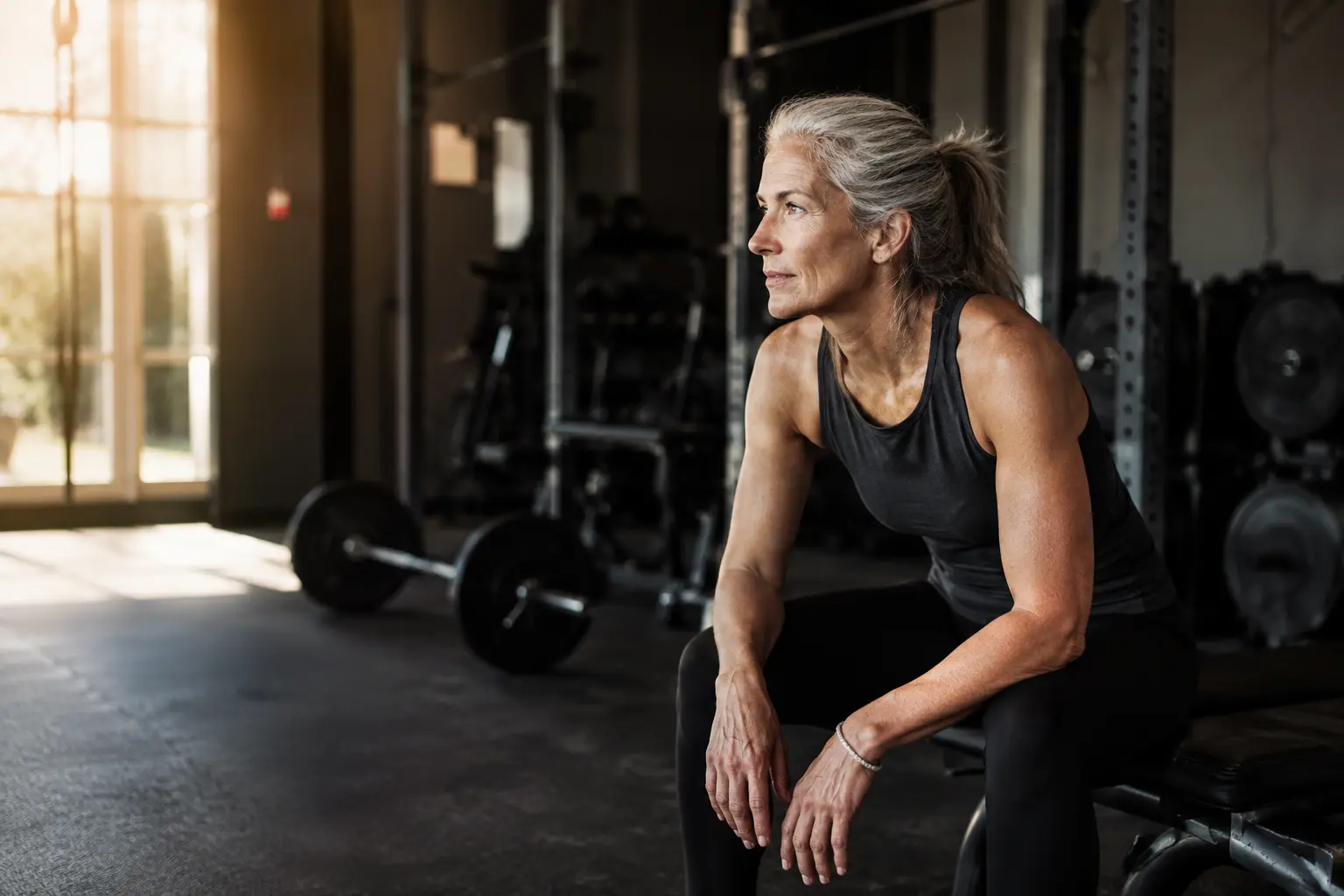
You’re reaching for the milk carton and your arm feels like it weighs a ton, or you hesitate before standing up from the couch because you’re not sure your legs will hold you, and that’s when it hits you: strength training for healthspan isn’t just about looking fit, it’s about reclaiming the life you actually want to live.
Boosting strength and independence
Picture this: you’re at your grandchild’s house and they ask you to help move a chair. A few months ago, that would have sent a spike of anxiety through you. But something shifted when you started strength training. Your muscles responded. Your bones got denser. Your balance improved so much that you stopped gripping the bannister like your life depended on it. Strength training for seniors isn’t about becoming a bodybuilder, it’s about rebuilding the foundation that lets you live independently. When you engage your muscles consistently, they remember how to work. Your coordination sharpens. You walk with more confidence. Tasks that once felt impossible, like carrying groceries in one trip or playing on the floor with grandkids, become natural again. This is what real strength training does: it gives you back the freedom to do what matters.
- Enhances muscle mass and bone density
- Improves balance and coordination
- Increases overall strength and mobility
Enhancing mental well-being
Here’s something nobody tells you: the mental shift happens before the physical one. You walk into the gym or your living room, start moving weights, and something in your brain wakes up. Those endorphins aren’t just a nice bonus, they’re a lifeline. Suddenly you’re sleeping better. Your mood lifts. That fog that used to settle over your afternoon? It clears. Regular strength training sharpens your thinking too. Your memory feels sharper. You’re more present during conversations. The anxiety that sometimes creeps in at night seems quieter. It’s not magic, it’s biology, but it feels like magic when you realize you’re thinking more clearly and feeling more like yourself again. Many seniors report that the confidence boost from getting stronger ripples into every part of their life, from social interactions to how they handle stress.
💬 Ready to feel better in 2 minutes?choose where to begin:
Managing chronic conditions
Living with arthritis or osteoporosis used to mean accepting pain as part of your daily routine. But strength training changes that equation. When you build muscle around your joints, you’re creating natural support and stability. The pain that used to flare up with simple movements starts to ease. Your flexibility improves because your muscles aren’t tight and guarded anymore. For those managing diabetes, strength training helps your body regulate blood sugar more effectively. You’re not fighting your condition in isolation, you’re actively working with your body to improve it. Many seniors find that as they get stronger, their medication needs shift and their overall quality of life improves dramatically. It’s not a cure, but it’s a powerful tool for reclaiming comfort and function.
Supporting longevity
Think about what longevity really means. It’s not just living longer, it’s living better for longer. Strength training does both. Your cardiovascular system gets stronger. Your bones stay dense and resilient. Your muscles continue to support your organs and keep your metabolism active. Research consistently shows that seniors who maintain muscle mass live longer and experience fewer age-related health complications. You’re not just adding years to your life, you’re adding life to your years. Every time you do a strength exercise, you’re sending a signal to your body that you’re still in the game, still capable, still worth investing in. That signal compounds over time. The senior who started strength training at sixty-five often looks and feels a decade younger at seventy-five. That’s the power of consistency and the body’s remarkable ability to respond when we ask it to.
By incorporating strength training into your routine, you can boost strength, independence, mental well-being, manage chronic conditions, and support longevity. It’s a holistic approach to improving your overall healthspan and quality of life.
Is strength training safe for seniors?
Yes, when done correctly and under supervision, strength training is safe for seniors. It is important to start with light weights and gradually increase the intensity to prevent injury.
How often should seniors engage in strength training?
Seniors should aim to do strength training exercises at least two to three times a week, allowing for adequate rest between sessions to prevent overtraining and promote muscle recovery.
Others also read:
Disclaimer: This article is for informational purposes only and is not a substitute for professional medical advice. Always consult a healthcare professional for personal guidance.
This article presents an experience-based perspective and has been reviewed by the GlobalHealthBeacon editorial team in 2026. It provides structured, evidence-based information to support informed health decisions.
