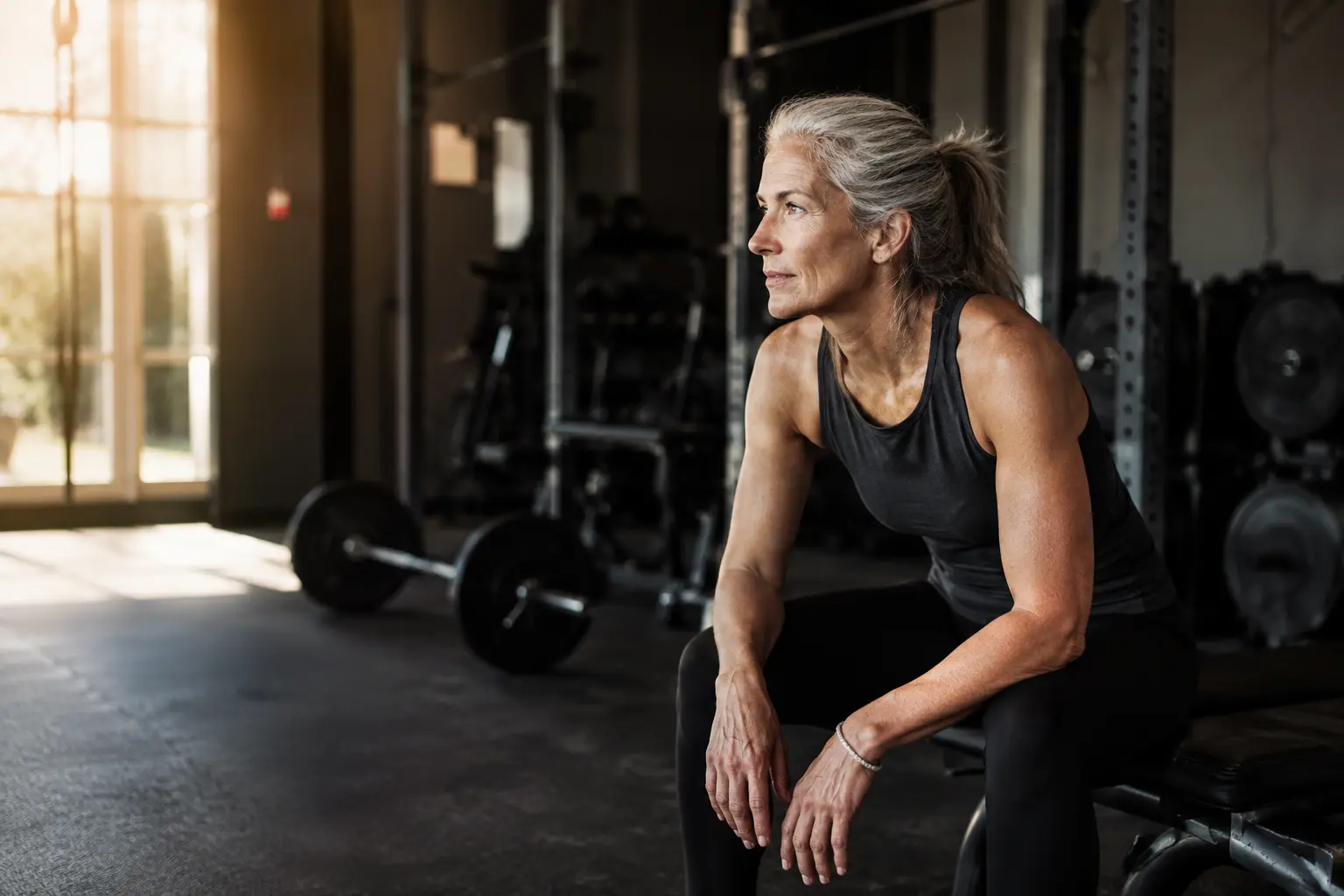
You’re climbing stairs and your legs feel like lead, grocery bags become impossibly heavy, and simple tasks that used to feel effortless now leave you winded and frustrated, but strength training for healthspan can change everything.
Unlocking the strength within
Picture yourself six months ago, struggling to get out of a chair without using your arms for leverage, or wincing when you reach for something on a high shelf. That was the reality for many seniors before discovering what consistent strength training could do. When you start this journey, you’re not just exercising, you’re reconnecting with a version of yourself that feels capable and strong. Your muscles begin to respond within weeks, not months. You notice you can carry your grandchild a little longer, or walk up that steep driveway without catching your breath. One woman in her seventies told us that after eight weeks of twice-weekly sessions with light dumbbells, she could finally open a stubborn jar without asking for help. That small victory rippled through her confidence. The beauty of this process is that your body remembers how to be strong, and it happens faster than you might expect.
- Enhanced muscle tone and definition
- Improved balance and coordination
- Increased energy levels and stamina
Embracing progress at any age
Age is not a barrier, it’s simply context. Many seniors carry the belief that their best physical days are behind them, but strength training rewrites that narrative entirely. Consider the story of a 74-year-old man who started with bodyweight exercises in his living room, progressing to resistance bands and then light weights. Within three months, he noticed he could walk farther without fatigue, his posture straightened, and he felt more stable on uneven surfaces. The progress isn’t always dramatic or sudden, but it’s undeniably real. You might start by holding a wall during balance work, then progress to holding just a fingertip, then nothing at all. Each small step builds momentum. The key is consistency, not intensity. Two or three sessions per week, done regularly over months, creates changes that compound. Your mobility improves, stairs feel less daunting, and everyday movements become fluid again. This isn’t defying aging, it’s honoring your body’s capacity to adapt and strengthen.
💬 Ready to feel better in 2 minutes?choose where to begin:
Empowering mindset shift
Something shifts in your mind when you realize you can do something you couldn’t do last month. Maybe it’s holding a plank for thirty seconds longer, or finally managing that full pushup against the wall. These aren’t just physical wins, they’re psychological breakthroughs. Seniors often describe a newfound sense of agency, a feeling that they’re not passive observers of their own decline but active architects of their wellness. One 68-year-old woman shared that strength training gave her back a sense of control she thought she’d lost. She wasn’t just getting stronger physically, she was proving to herself that effort still matters, that her body still responds to care and commitment. This mindset shift extends beyond the gym. You start believing you can handle challenges, that setbacks are temporary, that your future isn’t predetermined. The mental resilience built through consistent training, through showing up even when it’s hard, through celebrating small victories, transforms how you see yourself and your potential.
Elevating healthspan for the long haul
Healthspan means the years you live in good health, not just the total years you’re alive. Strength training directly impacts this. When your muscles are strong, your bones stay denser, your metabolism functions better, and your independence stretches further into your later years. Imagine being seventy-five and still able to travel, carry your own luggage, hike with friends, or play actively with grandchildren. That’s what strength training builds toward. Every rep you do now is an investment in your future self. The research backs this up, but more importantly, the lived experiences of seniors do too. A 72-year-old woman who started strength training five years ago told us she feels better now than she did at sixty-five. She has more energy, better sleep, and a sense of purpose that comes from taking care of her body. This isn’t about vanity or looking a certain way, it’s about claiming the healthspan you deserve and living fully in the years ahead.
Through strength training, seniors unlock a newfound sense of empowerment, vitality, and resilience. This transformative practice not only enhances physical strength and mobility but also fosters a positive mindset, empowering individuals to defy age-related limitations and elevate their healthspan for a vibrant future.
How often should seniors engage in strength training?
Seniors should aim to incorporate strength training exercises into their routine at least two to three times per week, allowing for adequate rest and recovery between sessions.
Are there specific precautions seniors should take when starting strength training?
Seniors should consult with a healthcare provider before starting a strength training program to ensure safety and suitability. It’s important to start with light weights and gradually increase intensity under guidance.
Others also read:
Disclaimer: This article is for informational purposes only and is not a substitute for professional medical advice. Always consult a healthcare professional for personal guidance.
This article presents an experience-based perspective and has been reviewed by the GlobalHealthBeacon editorial team in 2026. It provides structured, evidence-based information to support informed health decisions.
