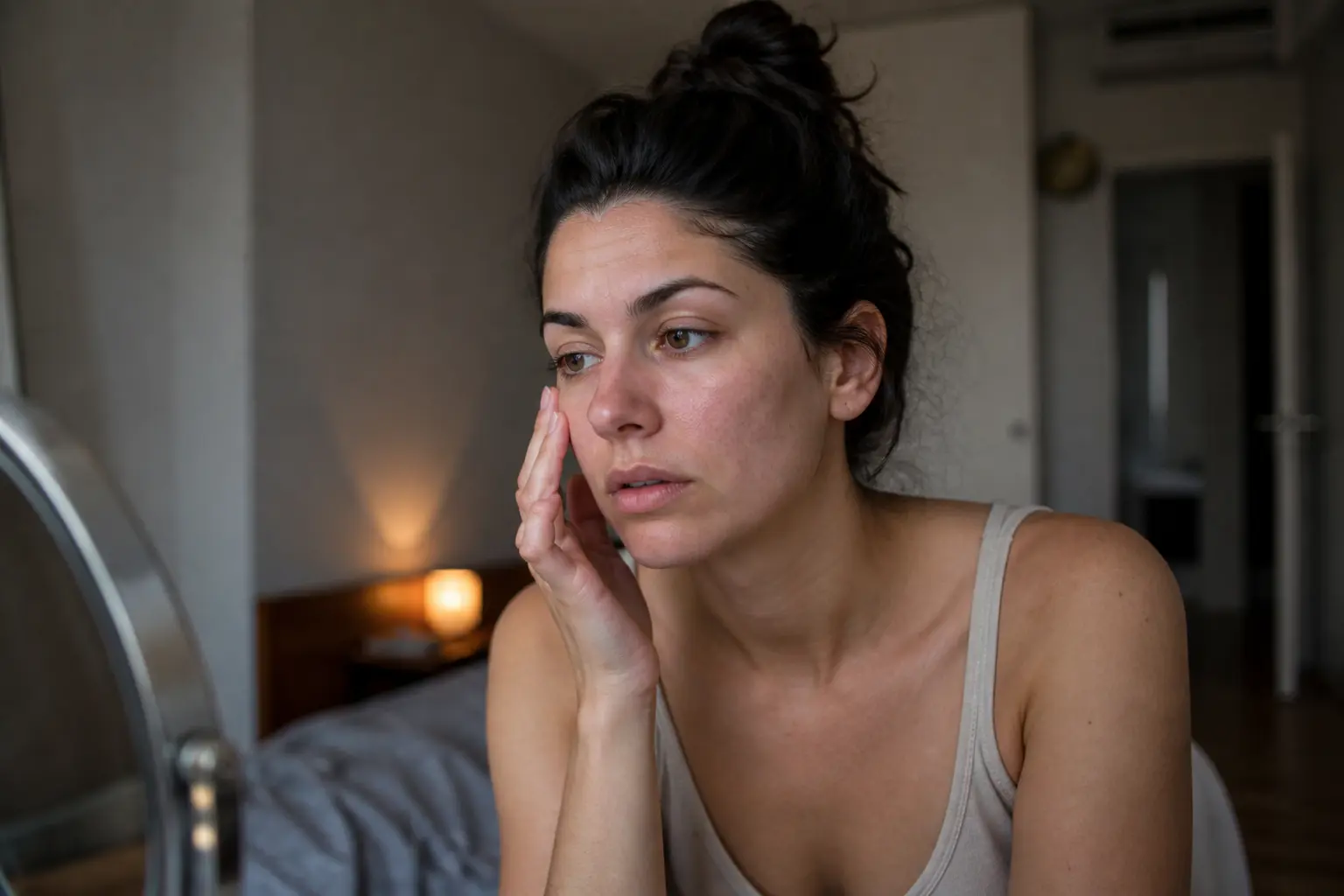
You wake up, look in the mirror, and there it is: a fresh cluster of angry red bumps right when you need your skin to cooperate, and stress cortisol skin effects are probably the culprit behind it all.
Understanding the link between stress and skin breakouts
When stress hits, your body launches into fight-or-flight mode, triggering a cascade of hormonal changes that directly impact your skin. Cortisol, your primary stress hormone, signals your skin’s sebaceous glands to ramp up oil production. Picture this: you’re cramming for finals or dealing with relationship drama, and suddenly your skin feels greasier than usual. That’s not coincidence. The excess oil clogs your pores, trapping bacteria and dead skin cells. But it doesn’t stop there. Stress also triggers inflammation throughout your body, which shows up on your face as redness, swelling, and those frustrating breakouts. If you already struggle with eczema or psoriasis, chronic stress can intensify these conditions significantly. The connection is so direct that dermatologists often ask patients about their stress levels during consultations. Understanding this link is your first step toward breaking the cycle.
- Cortisol stimulates oil production in the skin, contributing to clogged pores and acne.
- Chronic stress can disrupt the skin’s barrier function, making it more vulnerable to environmental damage.
- Stress-induced inflammation can worsen existing skin conditions like eczema and psoriasis.
Tips for managing stress and improving skin health
Managing stress isn’t just about feeling better mentally; it’s a direct investment in clearer skin. Start with movement: exercise releases endorphins that counteract cortisol, and even a 20-minute walk can shift your nervous system into a calmer state. Meditation or deep breathing exercises work similarly, signaling your body that the threat has passed. Aim for at least seven to nine hours of quality sleep nightly, since sleep deprivation keeps cortisol elevated and prevents your skin from repairing itself. Consider establishing a wind-down routine an hour before bed: dim the lights, put your phone away, and let your nervous system settle. Alongside these practices, a consistent skincare routine becomes your daily ritual of self-care. Gentle cleansing twice daily removes oil and bacteria without stripping your skin, while hydrating with a lightweight moisturizer supports your skin barrier. When you combine stress management with targeted skincare, you’re addressing the problem from both inside and out.
📘 Fix your day in under 2 minuteschoose where to begin:
Dietary changes to support skin healing
What you eat directly influences your skin’s ability to heal and resist breakouts. Foods rich in antioxidants like berries, leafy greens, and dark chocolate combat inflammation at the cellular level. Omega-3 fatty acids from salmon, walnuts, and flaxseeds strengthen your skin barrier and reduce inflammatory responses. Imagine swapping your usual afternoon snack of chips and soda for a handful of almonds and herbal tea; that single change reduces blood sugar spikes that trigger inflammation and oil production. Processed foods and refined sugars are particularly problematic because they spike insulin levels, which signals your body to produce more sebum and inflammation. Staying hydrated is equally critical: aim for at least eight glasses of water daily to flush toxins and keep your skin cells plump and healthy. Vitamin C-rich foods like citrus fruits and bell peppers support collagen production, while foods containing zinc like pumpkin seeds help regulate oil production. Think of your diet as fuel for skin repair rather than just calories.
The role of skincare products in stress-related breakouts
During stressful periods, your skin becomes more reactive and sensitive, so product selection matters tremendously. Avoid harsh scrubs or astringent products that strip your skin, as this triggers compensatory oil production and further irritation. Instead, look for gentle cleansers with ingredients like salicylic acid or niacinamide that address acne without aggression. Niacinamide is particularly valuable during stress because it reduces sebum production, minimizes pore appearance, and calms inflammation simultaneously. If you’re dealing with active breakouts, targeted treatments containing benzoyl peroxide or azelaic acid can help, but introduce them slowly to avoid overwhelming your already-stressed skin. Hydrating serums with hyaluronic acid support your compromised skin barrier, while lightweight moisturizers prevent your skin from overcompensating with excess oil. Sunscreen is non-negotiable, as UV exposure worsens inflammation and can leave post-breakout marks. The key is consistency and patience: give any new product at least four to six weeks before deciding if it works, since skin cell turnover takes time.
Seeking professional help for persistent skin concerns
If you’ve implemented stress management, dietary changes, and a solid skincare routine for several weeks without improvement, it’s time to consult a dermatologist. Persistent stress-related breakouts sometimes require professional intervention beyond self-care. A dermatologist can prescribe topical retinoids that accelerate skin cell turnover and prevent clogged pores, or oral medications like spironolactone that address hormonal drivers of acne. For severe inflammation, in-office treatments like chemical peels or light therapy can provide faster results. Some dermatologists also recommend working with a therapist or counselor if stress is the underlying driver, recognizing that skin health and mental health are inseparable. Don’t view professional help as failure; it’s a practical acknowledgment that your skin needs specialized support. Your dermatologist can also rule out other conditions that mimic stress-related acne, ensuring you’re treating the actual problem.
Stress and cortisol production disrupt your skin health through increased oil production, inflammation, and barrier dysfunction, leading to breakouts and worsening existing conditions. Managing stress through exercise, meditation, and sleep, combined with anti-inflammatory dietary choices and targeted skincare, addresses the problem from multiple angles. When self-care efforts fall short, professional dermatological support can provide prescription treatments and personalized guidance to restore clear, healthy skin.
Can stress cause skin breakouts?
Yes, stress triggers cortisol production, which stimulates oil glands in your skin and increases inflammation. This combination clogs pores and creates an environment where acne bacteria thrive, resulting in visible breakouts.
How can I improve my skin health during stressful times?
Practice stress-reduction techniques like exercise and meditation, prioritize seven to nine hours of sleep, eat anti-inflammatory foods rich in omega-3s and antioxidants, stay hydrated, and use gentle skincare products that support your skin barrier without irritation.
Disclaimer: This article is for informational purposes only and is not a substitute for professional medical advice. Always consult a healthcare professional for personal guidance.
This guide has been prepared and reviewed by the GlobalHealthBeacon editorial team and reflects current medical research as of 2026. It provides structured, evidence-based information to support informed health decisions.
