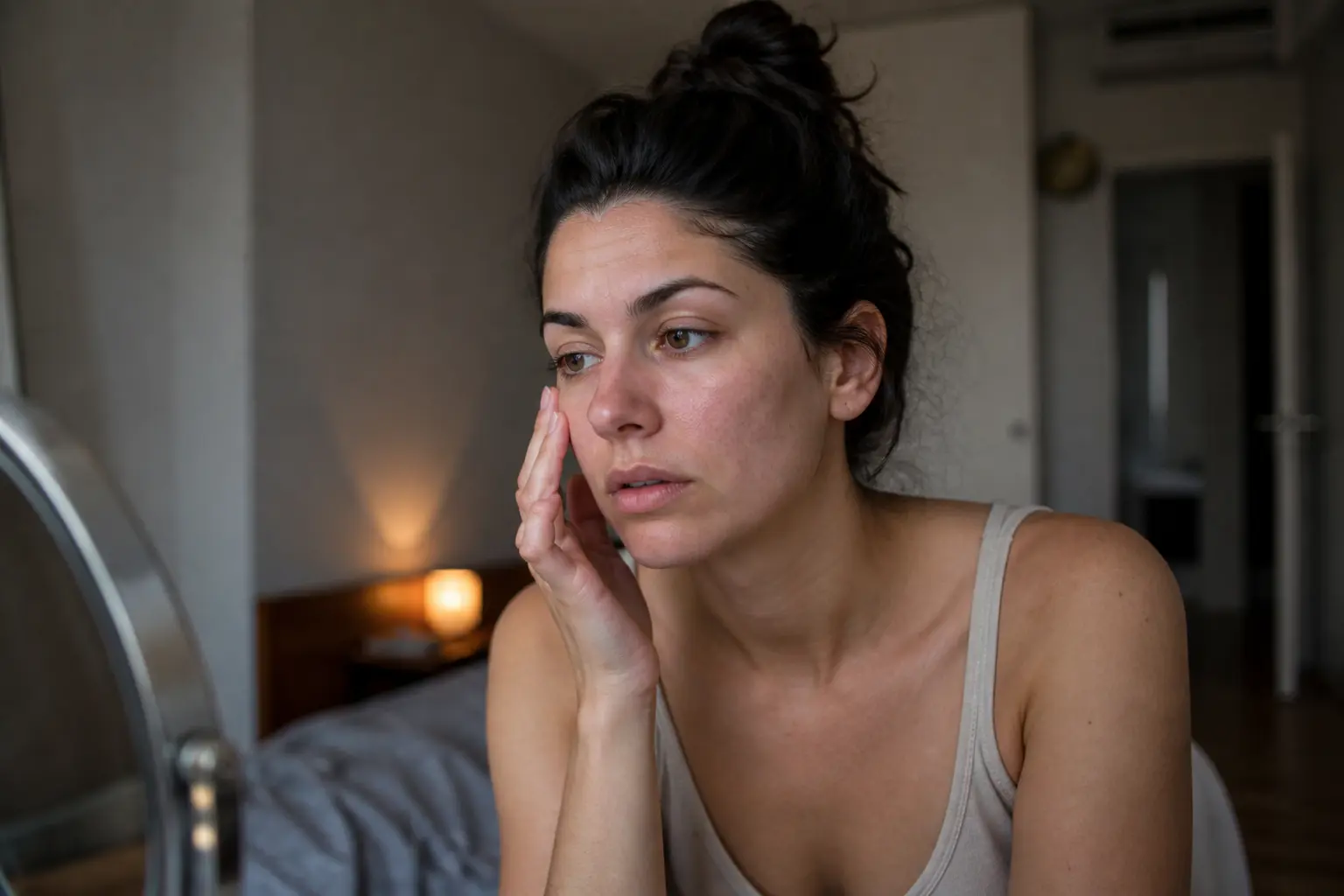
You’re stressed out of your mind and suddenly your face looks like a war zone, so let’s cut to it: stress cortisol skin effects are real, and understanding how they work is the first step to getting your skin back.
Understanding the stress and acne connection
When you’re under pressure, your body releases cortisol, a stress hormone that doesn’t just affect your mood or energy levels. It travels through your bloodstream and directly impacts how your skin behaves. Dermatologists consistently point out that elevated cortisol levels trigger a cascade of skin problems, particularly acne. Think of cortisol as an internal switch that flips your skin into overdrive. Your sebaceous glands start producing excess oil, your pores get congested, and inflammation kicks in. For young adults juggling work, school, relationships, and social media, this stress response happens frequently. You might notice a pattern where your skin flares up during exam season, after a breakup, or when work deadlines pile up. This isn’t coincidence. Your skin is literally responding to your nervous system’s distress signals. The connection is biochemical and well-documented by dermatology research.
- Cortisol can increase oil production in the skin, clogging pores and causing pimples.
- Stress-induced inflammation can exacerbate existing skin conditions like acne or eczema.
- Chronic stress can weaken the skin barrier, making it more susceptible to damage and infection.
Recognizing stress-related acne symptoms
Stress-induced acne has a distinct pattern that differs from regular breakouts. It typically appears suddenly, often concentrated around your chin, jawline, and forehead where you have the most oil glands. You might experience a cluster of small bumps that feel tender to the touch, accompanied by persistent redness and a tight, inflamed appearance. Some people describe it as their skin feeling angry or reactive. Watch for flare-ups of existing conditions too. If you have eczema or psoriasis, stress can trigger intense itching and scaling. The key is noticing the timing. Did your skin worsen right after a stressful event? Did it improve when things calmed down? Young adults often miss this connection because they’re focused on external factors like diet or skincare products, overlooking the stress component entirely. Pay attention to your skin’s behavior patterns over weeks, not just days. This awareness helps you identify whether stress is genuinely a trigger for you.
📘 Fix your day in under 2 minuteschoose where to begin:
Managing stress to improve skin health
Lowering cortisol levels requires a multi-pronged approach that addresses both your mind and body. Start with movement. Exercise is one of the most effective stress reducers available, and it doesn’t mean intense gym sessions. A 20-minute walk, yoga, or dancing to music you love all lower cortisol significantly. Next, prioritize sleep. During deep sleep, your body repairs skin cells and rebalances hormones. Aim for 7 to 9 hours nightly. Add mindfulness practices like meditation or breathing exercises. Even five minutes of focused breathing can calm your nervous system. Nutrition matters too. Foods rich in omega-3 fatty acids, antioxidants, and magnesium support both stress resilience and skin health. Think fatty fish, leafy greens, nuts, and berries. Limit caffeine and sugar, which can amplify anxiety. Create boundaries around stressors you can control. If social media triggers anxiety, set time limits. If work stress is relentless, establish a cutoff time. These lifestyle changes work synergistically to reduce cortisol and give your skin the internal environment it needs to heal.
Seeking professional help for stubborn acne
If you’ve adjusted your stress levels and maintained a solid skincare routine for 6 to 8 weeks without improvement, it’s time to see a dermatologist. Stress-related acne can be stubborn because it’s driven by internal hormonal shifts, not just surface bacteria. A dermatologist can prescribe targeted treatments like topical retinoids, which accelerate skin cell turnover and reduce inflammation. For moderate to severe cases, they might recommend oral medications such as birth control pills (which regulate hormones) or antibiotics that address both bacterial and inflammatory components. Some dermatologists also use professional treatments like chemical peels or light therapy to speed healing. Be honest with your doctor about your stress levels and any recent life changes. This context helps them recommend treatments that address the root cause, not just symptoms. Young adults sometimes hesitate to seek professional help, thinking acne is something they should handle alone. It’s not. Dermatologists are trained to recognize stress-related patterns and can offer solutions that over-the-counter products simply cannot provide.
Preventing future stress-induced acne flare-ups
Prevention starts with recognizing your personal stress triggers and building a protective routine around them. If you know certain times of year are stressful, ramp up your stress management practices beforehand. Keep a simple log noting your stress levels and skin condition to identify patterns over time. Maintain a consistent skincare routine that supports your skin barrier, using gentle cleansers and appropriate moisturizers. This foundation makes your skin more resilient when stress hits. Develop a go-to stress relief toolkit that you can access quickly. This might include a playlist, a favorite workout, a friend you can call, or a meditation app. When you feel stress building, deploy these tools before it escalates. Practice self-compassion. Stress happens. Breakouts happen. They don’t define you or your worth. Young adults often spiral into anxiety about acne, which creates more stress, which worsens acne. Breaking this cycle requires accepting that skin fluctuations are normal and manageable. Finally, remember that managing stress for your skin is really about managing stress for your overall health. The benefits extend far beyond clearer skin.
Chronic stress elevates cortisol levels, triggering excess oil production, inflammation, and acne breakouts. Recognizing stress-related symptoms involves noticing sudden clusters of breakouts and timing patterns. Managing stress through exercise, sleep, mindfulness, and nutrition directly lowers cortisol and supports skin healing. When lifestyle changes aren’t enough, dermatologists can provide targeted treatments. Preventing future flare-ups requires identifying your stress triggers, maintaining a consistent skincare routine, and building a personal stress management toolkit. Ultimately, taking care of your skin during stressful periods is an act of self-care that benefits your entire wellbeing.
Can stress cause acne in adults?
Yes, stress causes acne in adults through cortisol release, which increases oil production and inflammation. Young adults and older adults alike experience stress-related breakouts. Managing stress through lifestyle changes, exercise, and sleep can significantly improve skin clarity.
How can I reduce stress-induced acne?
Reduce stress-induced acne by incorporating exercise, meditation, quality sleep, and balanced nutrition into your daily routine. Identify and manage your personal stress triggers. If lifestyle changes don’t help within 6 to 8 weeks, consult a dermatologist for prescription treatments tailored to your skin.
Others also read:
Disclaimer: This article is for informational purposes only and is not a substitute for professional medical advice. Always consult a healthcare professional for personal guidance.
This guide has been prepared and reviewed by the GlobalHealthBeacon editorial team and reflects current medical research as of 2026. It provides structured, evidence-based information to support informed health decisions.
