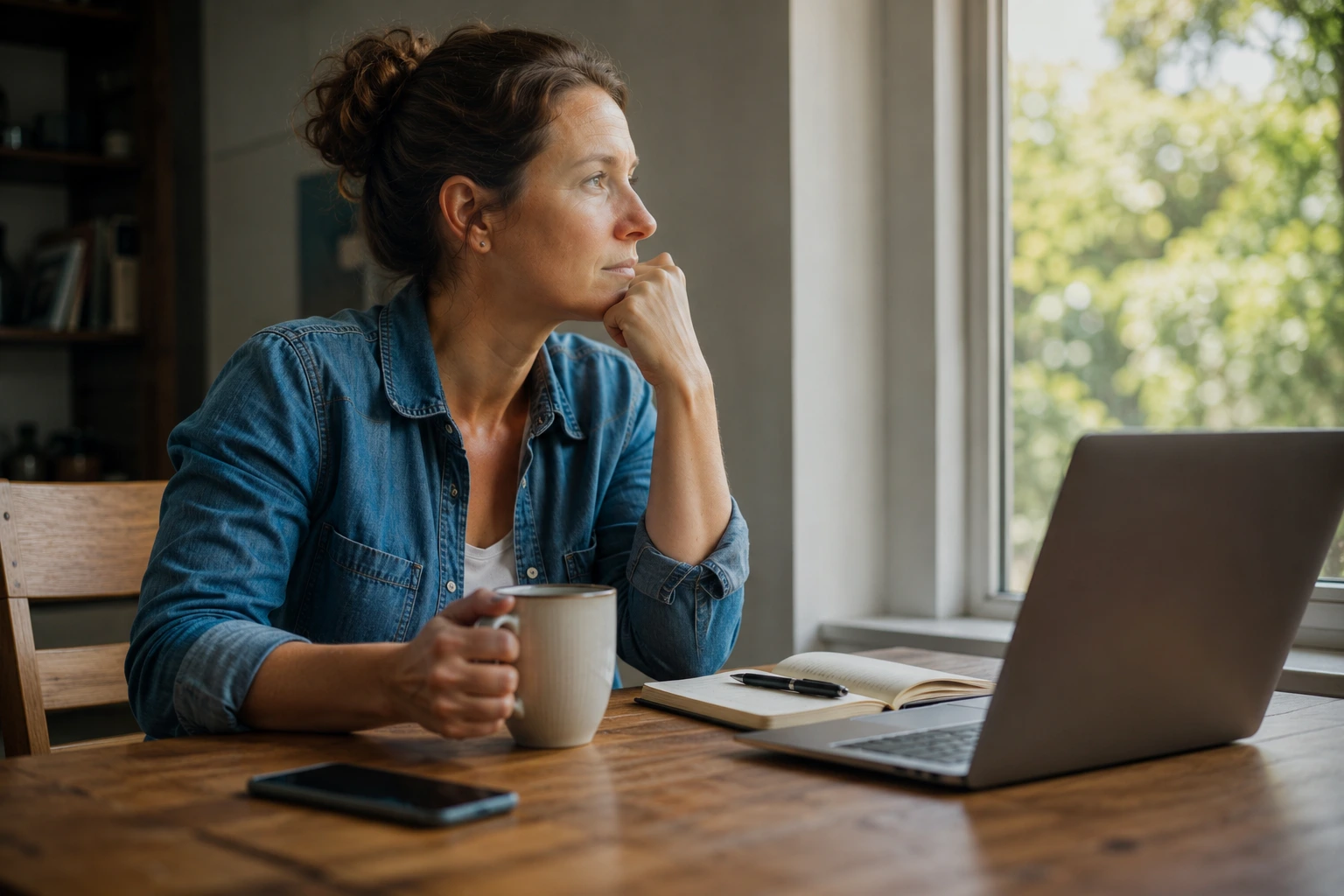
Your chest tightens, your mind races, and you feel like you’re drowning in obligations, and the worst part is you don’t even know where to start fixing it, but here’s the truth: stress relief techniques work when you actually know which ones fit your life.
Mindfulness practices
Mindfulness practices like meditation and deep breathing are powerful tools that help women interrupt the stress cycle at its source. When you practice mindfulness, you’re essentially training your brain to notice stress signals before they spiral out of control. Imagine you’re in a tense meeting at work. Instead of letting anxiety build silently, a mindfulness-trained mind catches the tension early, takes three intentional breaths, and creates space between the trigger and your reaction. Start with just five minutes daily. Sit quietly, focus on your breath, and when your mind wanders (it will), gently bring it back without judgment. Many women find guided apps helpful for structure. The key mistake to avoid is expecting instant calm. Mindfulness builds like a muscle over weeks, not days. Some women practice during their morning coffee, others use it before bed to release the day’s weight.
- Incorporate a daily mindfulness routine into your schedule
- Practice deep breathing exercises during moments of stress
- Explore guided meditation sessions for relaxation
Physical activity
Moving your body is one of the most direct ways to chemically shift your stress response. When you exercise, your brain releases endorphins, the natural chemicals that improve mood and reduce cortisol, the stress hormone. This isn’t about punishing yourself at the gym. A 30-minute walk, a dance session to your favorite playlist, gentle yoga, or even gardening counts. Consider Sarah, a busy mother who felt trapped by stress until she started a 20-minute evening walk routine. Within two weeks, she noticed her sleep improved and her patience with her kids increased. The common mistake is choosing exercise you hate and expecting to stick with it. Find movement that feels good to your body. Some women thrive in group classes for accountability and community, while others prefer solo activities. The timing matters too. Morning exercise energizes your whole day, while evening movement can help you decompress. Consistency beats intensity every time.
📘 Fix your day in under 2 minuteschoose where to begin:
Healthy nutrition
What you eat directly influences your stress resilience and emotional stability. Your gut and brain communicate constantly, so when you fuel your body with processed foods and sugar, you’re essentially feeding stress and anxiety. A balanced diet rich in leafy greens, omega-3 fatty acids from fish or flax, whole grains, and lean proteins stabilizes blood sugar and supports neurotransmitter production. Think of it this way: skipping breakfast and reaching for coffee and a pastry creates a blood sugar spike and crash that amplifies stress feelings. Instead, a breakfast with protein and complex carbs keeps you steady all morning. Many women find that reducing caffeine after 2 PM helps them sleep better, which directly reduces stress the next day. Hydration matters too; dehydration often masquerades as anxiety. Small swaps like herbal tea instead of energy drinks, nuts instead of chips, and dark chocolate instead of candy create cumulative benefits. You don’t need perfection, just awareness and gradual improvements.
Creative outlets
Creative activities bypass your logical brain and access the part of you that simply needs to express and release. Painting, writing, crafting, or playing music aren’t luxuries for women with spare time; they’re legitimate stress-relief tools. When you’re absorbed in creating something, your nervous system shifts from fight-or-flight into a calm, focused state. Consider Jennifer, a corporate executive who felt trapped by constant problem-solving. She started pottery classes and discovered that working with clay for an hour each week gave her mind permission to stop thinking about work. The physical act of shaping something tangible was deeply grounding. Writing doesn’t require talent; journaling for ten minutes about your day, your feelings, or even random thoughts releases mental pressure. Coloring, knitting, or building something with your hands all work the same way. The common mistake is waiting for inspiration or thinking you need to be good at it. You don’t. The benefit comes from the process, not the product. Even 15 minutes of creative time weekly creates noticeable shifts in your stress levels.
Social support
Isolation amplifies stress, while connection dissolves it. Talking through what’s weighing on you with someone you trust literally changes your nervous system response. This could be a close friend, family member, partner, or professional counselor. The key is feeling heard without judgment. Many women carry stress silently because they believe they should handle everything alone, but vulnerability is actually a strength that builds resilience. When you share your struggles, you gain perspective, feel less alone, and often discover solutions you couldn’t see alone. A weekly coffee with a friend, a monthly call with a family member, or regular therapy sessions all count. Some women benefit from group support like book clubs, fitness classes, or support groups where shared experiences create belonging. The common mistake is only reaching out when you’re in crisis. Building your support network during calm times means you have people to lean on when stress hits. Even brief, genuine connections matter. A five-minute conversation where someone truly listens can shift your entire day.
Expert-reviewed stress relief techniques for women include mindfulness practices, physical activity, healthy nutrition, creative outlets, and social support.
How can mindfulness help women reduce stress?
Mindfulness practices like meditation and deep breathing can increase awareness and relaxation, lowering stress levels in women.
Why is social support important for stress relief in women?
Social support from friends, family, or counselors can provide outlets for discussing stressors and building emotional resilience in women.
Others also read:
Disclaimer: This article is for informational purposes only and is not a substitute for professional medical advice. Always consult a healthcare professional for personal guidance.
This guide has been prepared and reviewed by the GlobalHealthBeacon editorial team and reflects current medical research as of 2026. It provides structured, evidence-based information to support informed health decisions.
