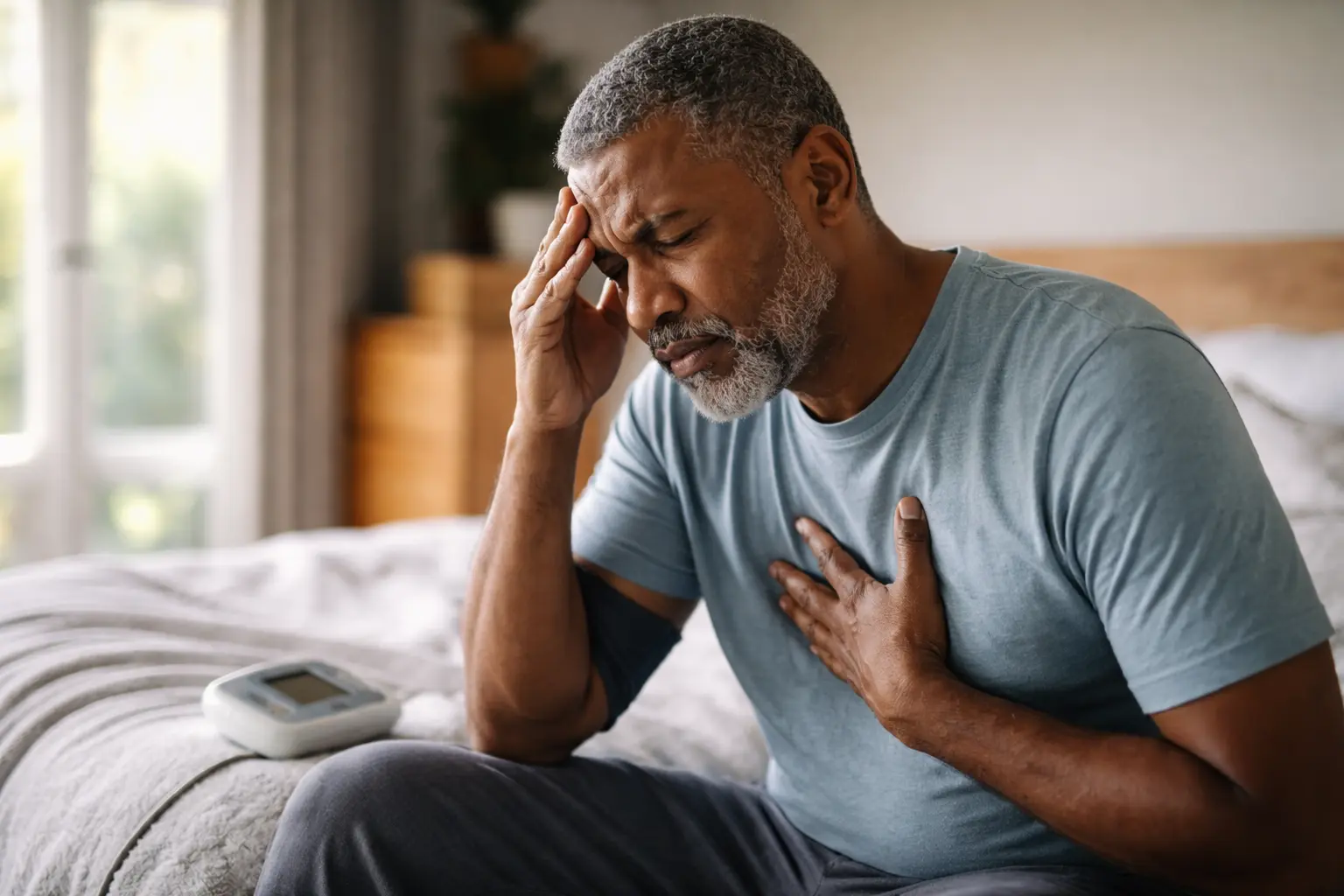
One moment you’re having a conversation with your grandchild, and the next your words come out slurred and your face feels numb on one side, leaving you terrified and confused about what’s happening to your body.
Recognizing the signs
Understanding stroke symptoms fast is absolutely crucial because every second counts when a stroke happens. I remember my neighbor Margaret describing the moment it struck her: she was making breakfast when suddenly her left arm went completely limp, like it didn’t belong to her anymore. She tried to call out to her husband but the words wouldn’t come out right. Those early warning signs are your lifeline. Look for sudden numbness or weakness, especially on one side of your face, arm, or leg. You might notice your mouth drooping on one side when you smile. Speech becomes slurred or confusing, either your words or understanding what others say. Vision can blur or darken in one or both eyes without warning. Some seniors report sudden dizziness that makes standing impossible, or a severe headache unlike anything they’ve felt before. The key is recognizing these aren’t normal aging moments, they’re emergency signals demanding immediate action.
- Sudden numbness or weakness on one side of the body, especially the face, arm, or leg
- Confusion, slurred speech, or difficulty understanding what others are saying to you
- Sudden vision problems, trouble walking, dizziness, loss of balance, or severe unexplained headache
Acting FAST
The acronym FAST is literally a lifesaver and it’s simple enough to remember even in panic. Face: ask the person to smile and look for drooping on one side. Arm: have them raise both arms and see if one drifts downward. Speech: ask them to repeat a simple sentence and listen for slurring or odd phrasing. Time: if any of these signs appear, call emergency services immediately, don’t wait, don’t debate. I knew a retired teacher named Robert whose daughter noticed his face drooping during a phone call. She didn’t hesitate, didn’t call his doctor first, she dialed 911 right then. Those minutes mattered enormously. The window for effective treatment is narrow, sometimes just a few hours, so speed isn’t optional, it’s essential. Don’t drive yourself or have a family member drive you. Paramedics can begin treatment in the ambulance and alert the hospital so they’re ready when you arrive.
💬 Ready to feel better in 2 minutes?choose where to begin:
Embracing treatment
Once you reach the hospital, doctors will run imaging tests like CT scans or MRIs to determine exactly what type of stroke occurred and where. Ischemic strokes, caused by blood clots, might be treated with clot-busting medications if you arrive quickly enough. Hemorrhagic strokes, caused by bleeding in the brain, require different approaches. Some patients need surgical procedures to relieve pressure or repair blood vessels. The medical team becomes your partner in recovery, and understanding what’s happening helps you feel less helpless. One senior I spoke with said the hospital staff explained everything clearly, which reduced her anxiety considerably. Treatment effectiveness depends heavily on timing, which is why recognizing symptoms fast and acting immediately creates the best possible outcome. Don’t feel shy asking questions or requesting explanations you can understand.
Navigating recovery
Recovery after a stroke is genuinely a journey, not a quick fix, and it requires patience with yourself. Physical therapy helps you relearn movements and rebuild strength in weakened limbs. Occupational therapy teaches you how to manage daily tasks like dressing, cooking, or bathing when your abilities have changed. Speech therapy addresses communication difficulties that many stroke survivors face. Beyond the physical work, emotional support matters tremendously because many seniors experience depression or anxiety after a stroke. One woman named Helen told me that counseling helped her process the fear and grief of losing abilities she’d taken for granted. Support groups connect you with others who truly understand what you’re going through. Recovery isn’t always linear, some days feel like progress and others feel like setbacks, but consistency and encouragement from family and professionals make a real difference in regaining independence and confidence.
Recognizing stroke symptoms fast and responding immediately can mean the difference between full recovery and long-term disability. By learning the signs, remembering FAST, accepting treatment without delay, and committing to rehabilitation, seniors can significantly improve their outcomes and reclaim their lives after stroke.
What should I do if I suspect someone is having a stroke?
Use FAST: check if their Face droops on one side, if their Arm drifts downward when raised, if their Speech is slurred or strange. If you notice any of these signs, call emergency services immediately. Don’t wait, don’t drive them yourself, don’t call their doctor first. Time is critical and paramedics can start treatment right away.
Can strokes be prevented?
While you can’t prevent every stroke, you can significantly reduce your risk through lifestyle choices. Maintain a healthy diet low in salt and saturated fat, exercise regularly even with gentle activities like walking, keep your blood pressure and cholesterol under control, quit smoking if you do, limit alcohol, and manage diabetes carefully. Regular check-ups help catch risk factors early.
Others also read:
Disclaimer: This article is for informational purposes only and is not a substitute for professional medical advice. Always consult a healthcare professional for personal guidance.
This article presents an experience-based perspective and has been reviewed by the GlobalHealthBeacon editorial team in 2026. It provides structured, evidence-based information to support informed health decisions.
