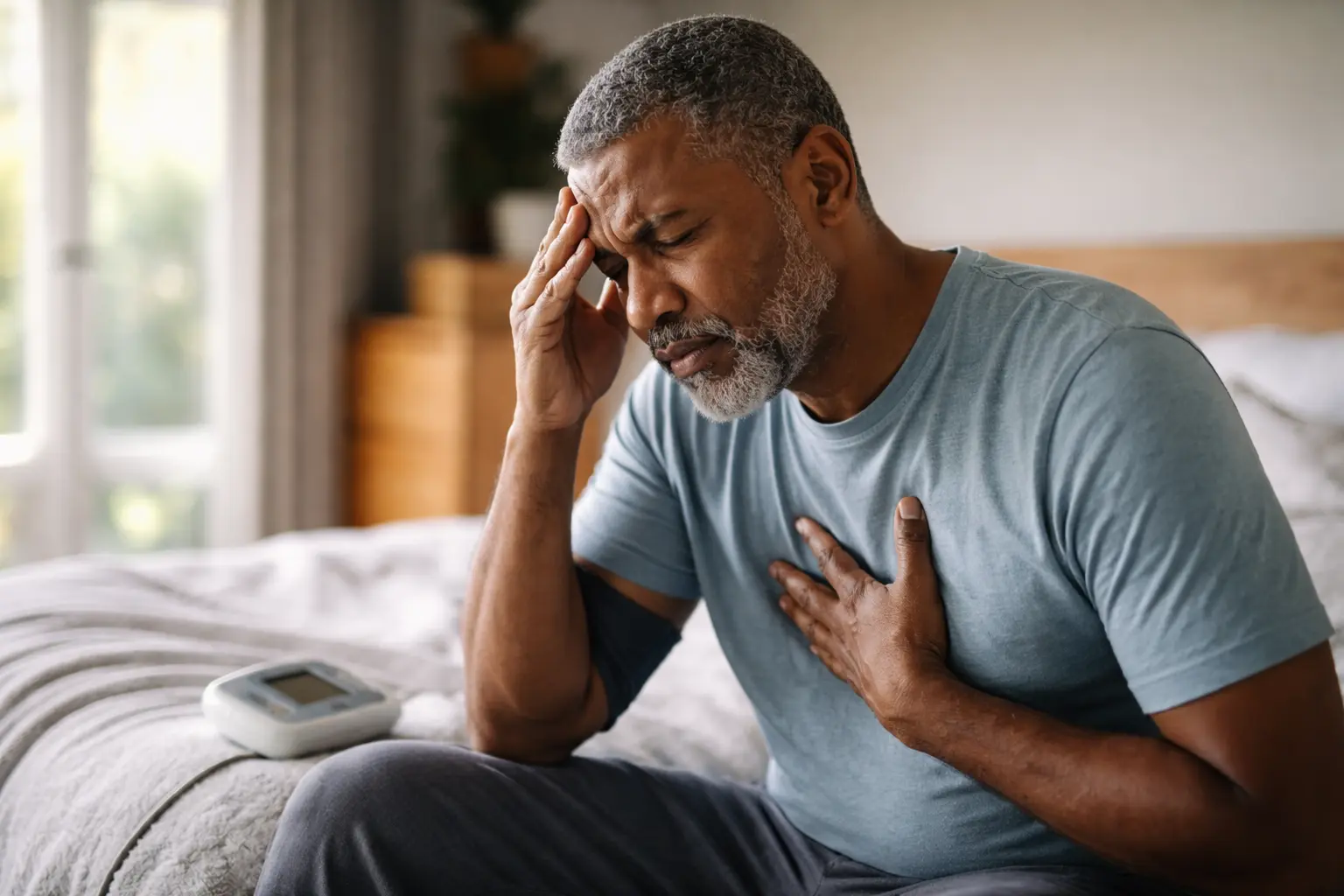
Your face suddenly feels numb, your words come out slurred, and panic sets in because you have no idea what’s happening to your body, but knowing how to recognize stroke symptoms fast might be the difference between a full recovery and a lifetime of regret.
Recognizing the signs
I remember my friend Sarah, 28, describing that moment when her left arm went completely limp while she was at work. She thought she’d slept on it wrong. Then came the confusion, that weird fog where she couldn’t quite find the right words. That’s when her coworker noticed something was off and immediately thought of the FAST test. Recognizing stroke symptoms in young adults is tricky because we don’t expect them to happen to us. Sudden numbness in your face, arm, or leg, especially on one side of your body, is a red flag. Difficulty speaking or understanding what others are saying, trouble seeing out of one or both eyes, severe headaches that come out of nowhere, loss of balance or coordination, and facial drooping are all warning signs that demand attention right now, not later.
- Sudden weakness or numbness on one side of your body
- Difficulty speaking, slurring words, or trouble understanding speech
- Sudden severe headaches with no clear cause
The importance of fast action
Here’s what most young adults don’t realize: when a stroke happens, your brain is literally being starved of oxygen. Every single minute counts in ways that are hard to overstate. Medical professionals call this the golden window, and it’s usually just a few hours. The faster you get treatment, the more brain tissue doctors can save from permanent damage. Think of it like this: waiting an extra hour can mean the difference between walking out of the hospital on your own or needing months of rehabilitation. I’ve heard stories from people who delayed seeking help because they thought their symptoms would pass. They were wrong. Acting quickly means calling 911 immediately, not driving yourself, not waiting to see if it gets better, and definitely not trying to tough it out. Speed literally changes outcomes.
💬 Ready to feel better in 2 minutes?choose where to begin:
Seeking immediate medical attention
When something feels wrong with your body, especially if you recognize any of those FAST signs, there’s no room for hesitation or second-guessing. Call emergency services right away, don’t wait. Tell them you suspect a stroke so they can prepare and get you to a hospital equipped with stroke specialists. Don’t drive yourself, don’t call a friend, don’t post about it on social media first. Get to the emergency room where doctors can run imaging tests, determine what type of stroke you’re experiencing, and start treatment. Time is literally brain cells. I’ve talked to young adults who felt embarrassed calling an ambulance, worried they might be overreacting. None of them regretted that call. Every single one said they wished they’d done it even faster. Your health isn’t something to be modest about.
Prevention is key
Here’s the empowering part: you actually have control over your stroke risk in ways you might not realize. Young adults often think strokes are something that happens to older people, but lifestyle choices matter now, not later. Regular exercise, even just 30 minutes of walking most days, strengthens your heart and improves blood flow. Eating a balanced diet rich in fruits, vegetables, and whole grains while limiting salt and processed foods protects your arteries. If you smoke, quitting is one of the single most important things you can do. Managing stress through meditation, yoga, or whatever helps you decompress actually lowers your blood pressure. Keeping your weight in a healthy range and limiting alcohol intake also make a real difference. These aren’t just abstract health tips; they’re your insurance policy against experiencing what Sarah went through.
Recognizing stroke symptoms fast is absolutely vital for young adults who often feel invincible. The FAST test gives you a simple way to spot trouble: Face drooping, Arm weakness, Speech difficulty, Time to call 911. Acting swiftly and seeking immediate medical attention can dramatically change your outcome and recovery. Prevention through daily lifestyle choices puts you in the driver’s seat of your health.
Are stroke symptoms the same for everyone?
No, stroke symptoms can vary depending on which part of the brain is affected and the individual’s overall health. While common signs include sudden weakness, difficulty speaking, and severe headaches, not everyone experiences all of these symptoms. Some people might only notice facial drooping or vision changes. That’s why the FAST test is so useful; it covers the most common warning signs. If something feels suddenly wrong with your body, don’t wait to see if other symptoms show up.
Can young adults experience strokes?
Yes, strokes absolutely can occur in young adults, although they are more common in older individuals. Young people can have strokes due to blood clots, heart conditions, drug use, extreme stress, or genetic factors. The key difference is that young adults often don’t recognize the symptoms because they don’t expect a stroke to happen to them. That delay in recognition and action can be dangerous. Recognizing the symptoms early and seeking immediate medical attention is essential for better outcomes, regardless of your age.
Others also read:
Disclaimer: This article is for informational purposes only and is not a substitute for professional medical advice. Always consult a healthcare professional for personal guidance.
This article presents an experience-based perspective and has been reviewed by the GlobalHealthBeacon editorial team in 2026. It provides structured, evidence-based information to support informed health decisions.
