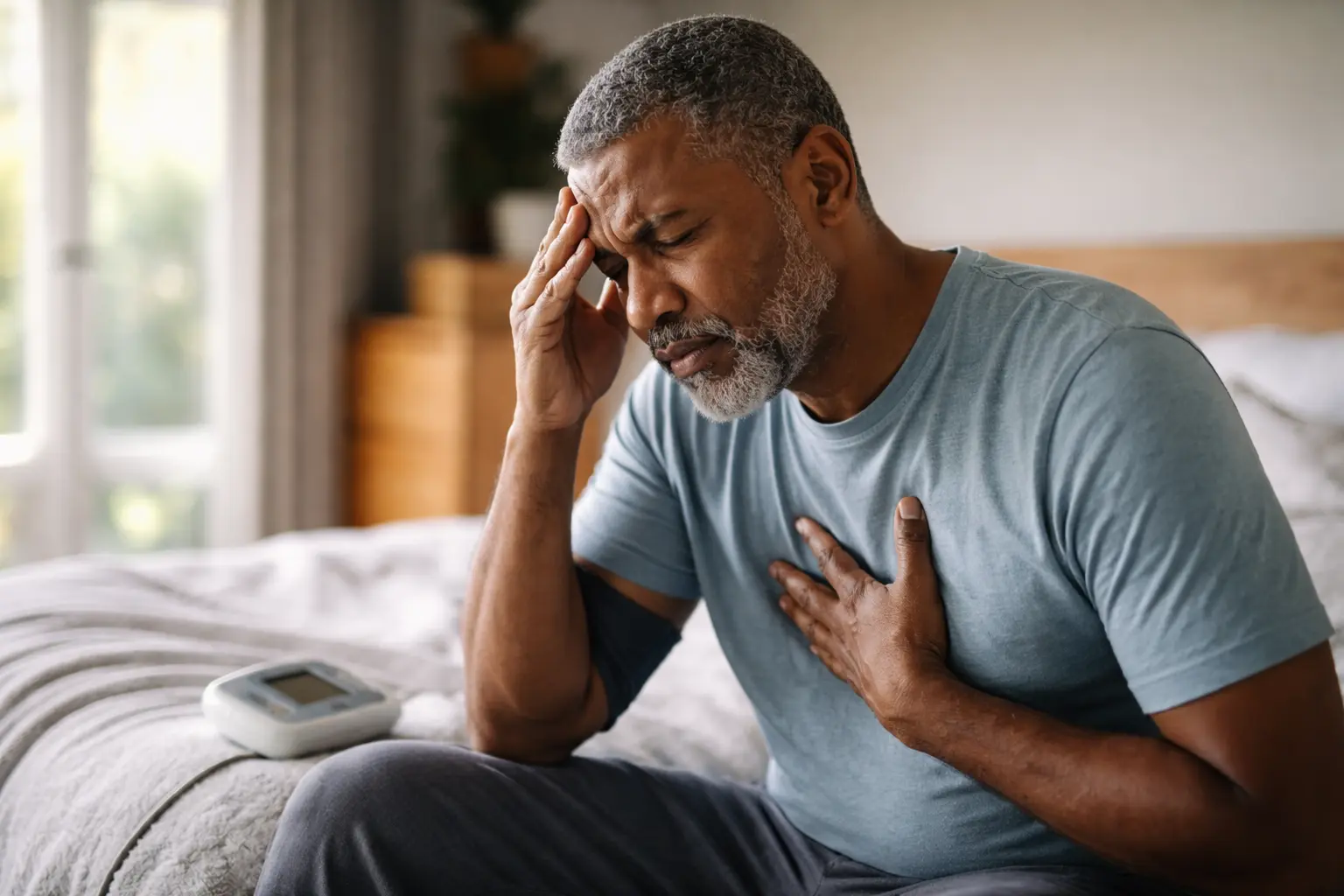
Your mom suddenly slurs her words at the dinner table, or you notice your own face feels numb on one side, and panic floods in because you know stroke symptoms fast can mean the difference between recovery and disability, but you’re not even sure what you’re looking at.
The importance of recognizing stroke symptoms
When a stroke happens, every single minute matters in ways that are hard to overstate. The brain loses roughly 1.9 million neurons every minute a stroke goes untreated, which means the window for effective intervention is genuinely narrow. For women especially, recognizing these warning signs quickly can be the difference between walking away with minimal effects or facing long-term disability. Common stroke symptoms include sudden numbness or weakness, typically on one side of the body, difficulty speaking or understanding what others say, sudden vision problems in one or both eyes, trouble walking or loss of balance, and severe headache with no clear cause. Many women describe the experience as feeling like something switched off inside their body without warning. Understanding what these symptoms actually look like in real life, not just in medical textbooks, helps you move from confusion to action. If your sister suddenly can’t lift her right arm, or your friend stops mid-sentence and can’t find the words, these aren’t minor health blips to monitor. They’re signals that demand immediate attention.
Understanding the FAST method
The FAST acronym was developed to give ordinary people a simple, memorable way to spot stroke warning signs before they become catastrophic. Face drooping means looking for asymmetry, where one side of the face appears to sag or droop compared to the other, especially noticeable around the mouth or eye. Arm weakness shows up as sudden inability to lift one arm, or that arm drifting downward when held up. Speech difficulty appears as slurred words, garbled speech, or trouble repeating simple phrases. Time to call emergency services is the final and most critical step, because recognizing symptoms means nothing if you don’t act on them immediately. What makes FAST so powerful is that it strips away medical jargon and gives you something you can actually remember and use in a stressful moment. A woman in her sixties might notice her husband’s smile looks lopsided, or a younger woman might realize mid-conversation that her words aren’t coming out right. These aren’t subtle signs that require a medical degree to interpret. They’re observable, recognizable, and actionable.
Evaluating the efficacy of FAST
The FAST method has been rigorously tested across multiple large-scale studies, and the results consistently show that people who use it to identify stroke symptoms seek emergency care faster than those who don’t. Research published in stroke medicine journals demonstrates that FAST recognition reduces the time between symptom onset and hospital arrival, which directly correlates with better recovery outcomes and fewer permanent disabilities. Studies show that individuals who recognize and respond to stroke symptoms promptly have substantially better chances of receiving thrombolytic therapy, a time-sensitive treatment that can reverse stroke damage if given within a narrow window. Women who know FAST are more likely to trust their instincts when something feels wrong, rather than dismissing symptoms as stress, fatigue, or hormonal changes. One study found that public awareness campaigns teaching FAST increased appropriate emergency calls by over 30 percent in participating communities. The method works because it’s specific enough to catch real strokes while remaining simple enough that anyone can remember it under pressure. When you’re scared and confused, you don’t need complexity. You need something you can hold onto.
- Learn the FAST acronym by writing it down and saying it aloud several times until it becomes automatic, so your brain can access it even under stress.
- Educate family members and friends about the FAST method by walking through real examples, like what drooping actually looks like or how speech difficulty sounds different from normal tiredness.
- Practice identifying stroke symptoms by watching educational videos or discussing hypothetical scenarios with loved ones, so you build confidence before a real emergency happens.
🔬 Science-backed benefits in 2 minuteschoose where to begin:
The role of gender in stroke symptoms
Women don’t always experience strokes the same way men do, and this difference has real consequences for diagnosis and treatment. Research shows that women are more likely to report atypical or less recognized stroke symptoms, including sudden hiccups, nausea, vomiting, chest pain, shortness of breath, and general fatigue or weakness. Some women describe a sudden sense of disorientation or confusion without the classic one-sided weakness. These variations mean that relying solely on FAST might cause women to miss their own stroke symptoms or for healthcare providers to misdiagnose what’s happening. Women also tend to experience strokes at older ages than men, often with more complex medical histories, which can mask or complicate symptom recognition. Additionally, women are more likely to delay seeking care, sometimes attributing symptoms to stress, menopause, or other conditions they assume are less serious. Understanding these gender-specific patterns isn’t about creating separate rules, but about recognizing that your body might signal danger differently than the textbook description suggests. If you experience sudden hiccups alongside other odd symptoms, or feel inexplicably nauseated and confused, that’s worth taking seriously and getting checked out immediately.
Seeking immediate medical help
The moment you recognize any stroke symptoms in yourself or someone else, the only appropriate response is to call emergency services immediately. Don’t wait to see if symptoms improve on their own, don’t drive to the hospital yourself, and don’t call your doctor first. Emergency responders are trained to recognize strokes and can begin treatment in the ambulance, starting the clock on recovery before you even arrive at the hospital. Many women hesitate to call 911 because they worry about overreacting or being embarrassed if it turns out to be something minor. That hesitation can cost you hours of treatment time. Hospitals have protocols for stroke cases, and if it turns out to be a false alarm, that’s genuinely okay. The stakes are too high to err on the side of caution. When you call, tell the dispatcher you suspect a stroke and describe the symptoms you’re seeing. This information helps them dispatch the right resources and alert the hospital to prepare. Time from symptom onset to treatment is literally called the golden window, and every minute you delay narrows your chances of full recovery.
Preventive measures and lifestyle changes
While recognizing stroke symptoms is absolutely critical, understanding what actually causes strokes in the first place gives you real power to reduce your risk. High blood pressure is the single biggest modifiable risk factor for stroke, and many women don’t realize they have it because hypertension often causes no symptoms. Regular blood pressure monitoring, especially if you have a family history of stroke or heart disease, helps catch this silent threat early. Maintaining a balanced diet rich in vegetables, whole grains, and lean proteins while limiting sodium and processed foods supports healthy blood vessels. Regular physical activity, even moderate exercise like brisk walking for 30 minutes most days, strengthens your cardiovascular system. Managing stress through meditation, yoga, or activities you genuinely enjoy helps prevent the chronic inflammation that damages blood vessels. Controlling underlying conditions like diabetes and atrial fibrillation, quitting smoking if applicable, and limiting alcohol consumption all contribute meaningfully to stroke prevention. These aren’t flashy interventions, but they’re evidence-based strategies that reduce your actual risk rather than just helping you recognize danger after it arrives.
Recognizing stroke symptoms using the scientifically proven FAST method is essential for prompt treatment and better outcomes. Understanding the unique signs in women, seeking immediate help, and making lifestyle changes can significantly reduce the risk of strokes.
Are stroke symptoms the same for everyone?
Stroke symptoms can vary among individuals, but common signs include face drooping, arm weakness, speech difficulties, and sudden onset of symptoms. It is essential to recognize these signs promptly and seek medical help.
Can stroke symptoms be mistaken for other conditions?
Some stroke symptoms may resemble other health issues, such as migraines or seizures. However, certain key characteristics like sudden onset and one-sided weakness can help differentiate stroke from other conditions. It is always best to err on the side of caution and seek medical assistance.
Others also read:
Disclaimer: This article is for informational purposes only and is not a substitute for professional medical advice. Always consult a healthcare professional for personal guidance.
This article has been prepared and reviewed by the GlobalHealthBeacon editorial team and is based on current medical research and published scientific literature available in 2026. It provides structured, evidence-based information to support informed health decisions.
