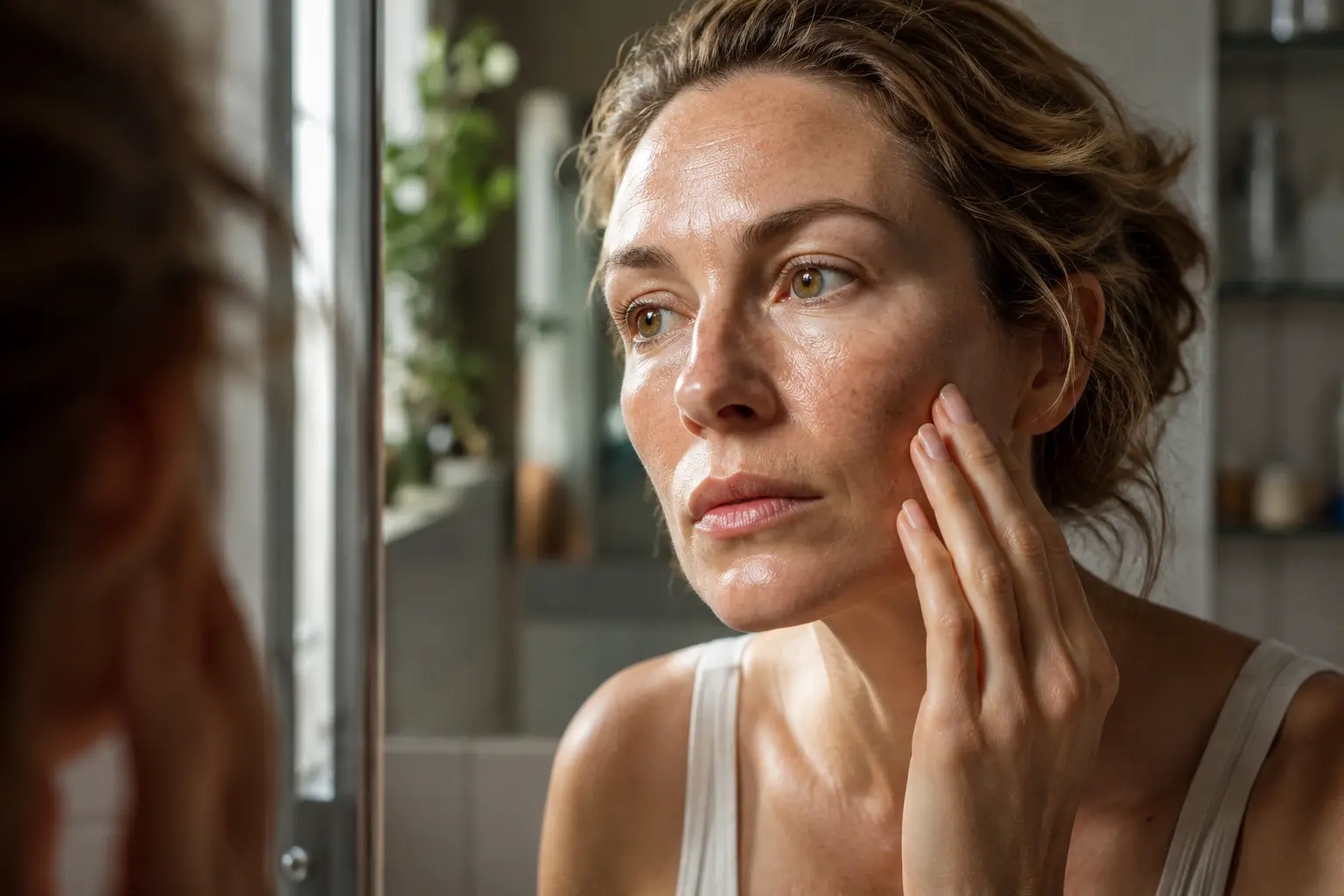
You look in the mirror and see dark spots, rough texture, and fine lines you swear weren’t there last year, and you realize the sun has been quietly aging your skin without permission, so let’s talk about a real sun damage repair routine that actually reverses what’s been done.
Understanding sun damage repair
Sun damage doesn’t happen overnight, but the effects accumulate quietly over years. When UV rays penetrate your skin, they break down collagen and elastin fibers while triggering free radical damage that accelerates aging. You might notice this as dark spots that seem to multiply, a leathery texture, or fine lines that deepen with each season. The damage occurs at the cellular level, which is why sunburns fade but the underlying harm persists. Understanding this process helps you recognize that repair requires patience and a multi-layered approach. Your skin’s natural healing ability is powerful, but it needs the right support to reverse years of accumulated damage. Think of it like repairing a building that’s weathered decades of storms, not just patching one crack.
- Protect your skin daily with a broad-spectrum sunscreen SPF 30 or higher, reapplying every two hours when outdoors.
- Use skincare products with antioxidants like vitamin C, vitamin E, or green tea to combat free radicals and prevent further damage.
- Consider professional treatments such as laser therapy, chemical peels, or microneedling for deeper damage that topical products cannot address alone.
Choosing the right skincare products
The right products work like a targeted repair team for your skin. Retinol is your strongest ally here, as it increases cell turnover and stimulates collagen production, though it requires gradual introduction to avoid irritation. Hyaluronic acid acts as a moisture magnet, plumping fine lines and helping your skin barrier function properly. Niacinamide strengthens your skin’s protective barrier while reducing inflammation from past sun exposure. When selecting products, look for gentle chemical exfoliants with AHAs or BHAs rather than harsh physical scrubs, which can damage already-compromised skin. A realistic routine might include a vitamin C serum in the morning, a retinol product at night, and a hydrating moisturizer with niacinamide. Start slowly with active ingredients, introducing one new product every two weeks to monitor how your skin responds. Many women make the mistake of using too many actives at once, which overwhelms their skin and causes irritation rather than healing.
📘 Fix your day in under 2 minuteschoose where to begin:
Healthy lifestyle habits for sun damage repair
Your skin repairs itself most actively while you sleep, so consistent sleep of seven to nine hours directly impacts how quickly damage reverses. A diet rich in antioxidants, omega-3 fatty acids, and vitamins supports your skin’s healing from within. Foods like berries, fatty fish, dark leafy greens, and nuts provide the building blocks your skin needs to rebuild collagen. Hydration matters more than most people realize, as dehydrated skin cannot repair itself efficiently. Beyond diet, limiting sun exposure during peak hours (10 AM to 4 PM) and wearing protective clothing like wide-brimmed hats and UV-blocking sunglasses prevents new damage while your skin heals. Many women underestimate how much additional damage occurs during the repair process if they continue sun exposure without protection. Think of this phase as your skin’s recovery period, similar to how you would protect an injury while it heals.
DIY remedies for sun-damaged skin
Natural remedies can support your repair routine, though they work best alongside proven skincare ingredients. Aloe vera gel soothes inflammation and provides hydration, making it ideal for post-sun exposure care. Coconut oil offers deep moisture, though it may clog pores in some skin types, so test it first. Green tea extract contains powerful antioxidants that reduce inflammation and protect against further damage. A simple honey and yogurt mask applied twice weekly can nourish and gently exfoliate without harshness. Raw honey has natural antibacterial properties and promotes healing, while yogurt’s lactic acid gently removes dead skin cells. Some women find success with aloe vera mixed with a few drops of vitamin E oil for enhanced repair benefits. However, remember that DIY remedies complement but do not replace professional-grade skincare or treatments. They work best as supplementary care, not as your primary sun damage repair strategy.
Consistency is key
Repairing sun damage is a marathon, not a sprint, and this is where most people fail. Your skin cell cycle takes approximately 28 days, which means meaningful changes require at least eight to twelve weeks of consistent care. Many women abandon their routine after three weeks because they expect dramatic results immediately. Real repair involves gradual improvements: spots fade slightly, texture smooths incrementally, and fine lines soften over months. Consistency matters more than intensity, so a simple routine you actually follow beats a complex one you abandon. Document your progress with photos taken in the same lighting every four weeks to track changes you might otherwise miss. Expect plateaus where progress seems to stall, then sudden improvements as your skin rebuilds deeper layers. This patience and dedication is what separates women who achieve lasting results from those who cycle through products without seeing real change.
Effective sun damage repair involves understanding how UV damage occurs at the cellular level, selecting products with proven ingredients like retinol and vitamin C, adopting protective lifestyle habits, using supportive natural remedies, and maintaining unwavering consistency over months. Success requires patience, protection, and a realistic timeline.
Can sun damage be completely reversed?
While it’s possible to improve the appearance of sun-damaged skin significantly, complete reversal of deep damage may not be achievable. Consistent sun protection and skincare can help minimize further damage and promote skin repair. Professional treatments like laser therapy can address deeper damage more effectively than topical products alone.
How long does it take to see results from sun damage repair routines?
Results from sun damage repair routines can vary based on individual skin types and the severity of damage. It may take several weeks to months of consistent care to notice significant improvements. Most women see initial changes like improved texture within 8 to 12 weeks, while deeper improvements like fading spots may take 4 to 6 months.
Others also read:
Disclaimer: This article is for informational purposes only and is not a substitute for professional medical advice. Always consult a healthcare professional for personal guidance.
This guide has been prepared and reviewed by the GlobalHealthBeacon editorial team and reflects current medical research as of 2026. It provides structured, evidence-based information to support informed health decisions.
