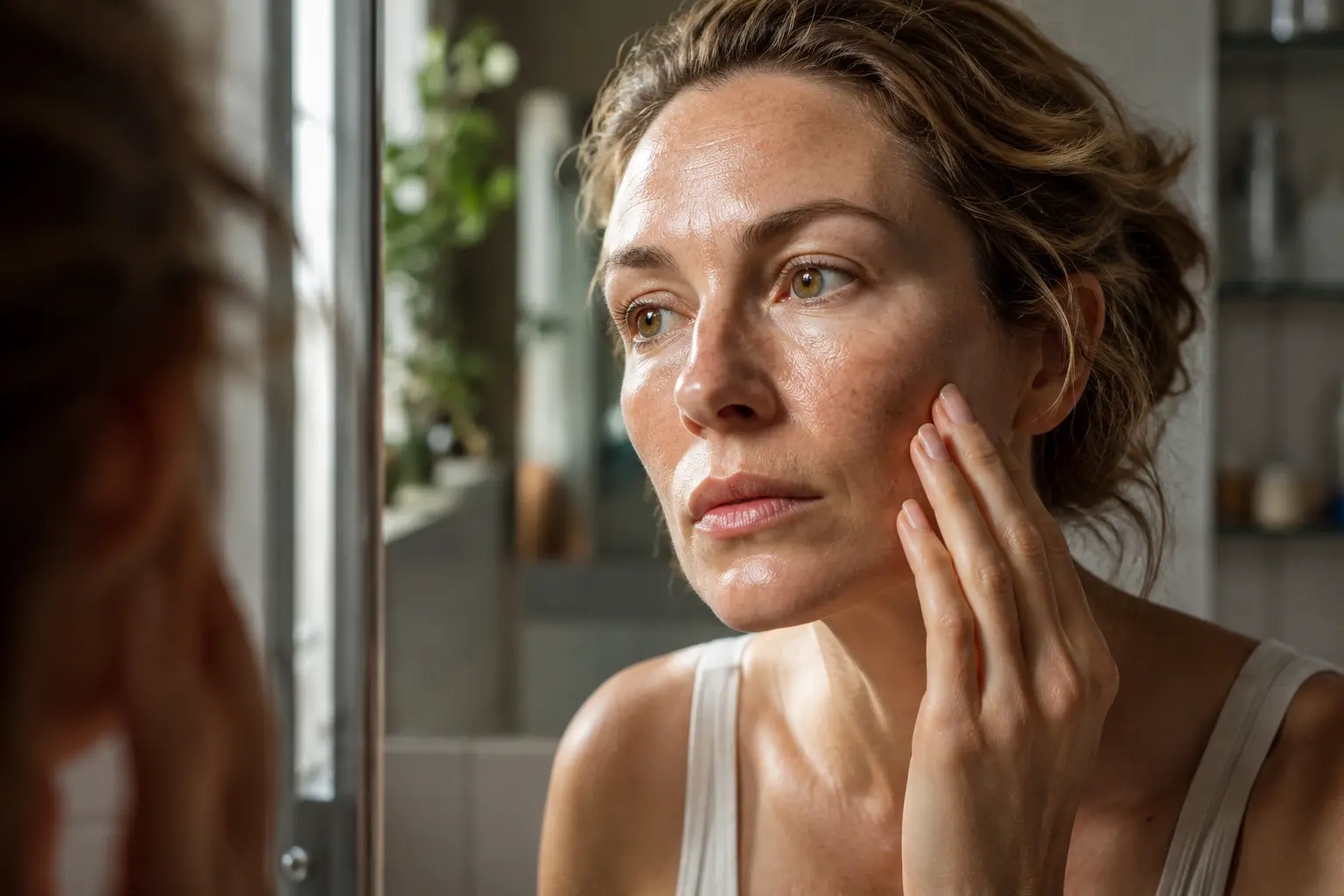
Those brown spots creeping across your hands, the leathery texture you barely recognize in the mirror, the deep lines that seem to multiply every year – decades of sun exposure have left their mark, and you’re wondering if anything can actually reverse the damage.
Understanding sun damage
Sun damage doesn’t happen overnight. It’s the cumulative result of years, sometimes decades, of ultraviolet radiation exposure. When UV rays penetrate the skin’s outer layers, they trigger a cascade of biological events. The radiation damages the DNA within skin cells, causing mutations that can lead to abnormal cell behavior. Simultaneously, UV exposure breaks down collagen and elastin, the proteins that give skin its firmness and elasticity. This process also generates free radicals, unstable molecules that cause oxidative stress and further cellular damage. For seniors, this accumulated damage becomes visible as age spots, wrinkles, sagging skin, and a rough or leathery texture. Understanding this process is crucial because it explains why sun damage repair isn’t a quick fix. The damage has altered the skin’s structure at a cellular level, which means any repair strategy must work to stimulate new collagen production and protect against ongoing harm.
Benefits of sun damage repair routines
A consistent sun damage repair routine can produce measurable improvements in skin appearance and health, though results vary from person to person. When you establish a dedicated regimen, you’re essentially giving your skin the tools it needs to rebuild and protect itself. Many seniors report improvements in skin texture within weeks of starting a targeted routine. Fine lines may appear less pronounced, age spots can fade gradually, and overall skin tone becomes more even. The benefits extend beyond appearance. A well-designed routine strengthens the skin barrier, improves hydration retention, and reduces inflammation. These changes aren’t just cosmetic; they reflect genuine improvements in skin function. For example, someone who starts using antioxidants and sunscreen daily might notice their skin feels smoother, looks brighter, and shows fewer signs of irritation. The key is consistency. These routines work because they address multiple aspects of skin health simultaneously: neutralizing existing damage, stimulating repair mechanisms, and preventing new damage from occurring.
Effective sun damage repair strategies
The most effective approaches to sun damage repair combine three core strategies. First, antioxidants like vitamin C work by neutralizing free radicals that perpetuate skin damage. When applied topically, vitamin C penetrates the skin and begins protecting cells from oxidative stress while also brightening the complexion and promoting collagen synthesis. Second, retinoids (vitamin A derivatives) are among the most scientifically-supported ingredients for addressing sun damage. They work by increasing cell turnover, stimulating collagen production, and helping fade age spots. A 65-year-old might start with a low-strength retinoid twice weekly, gradually increasing frequency as their skin adapts. Third, broad-spectrum sunscreen with SPF 30 or higher is non-negotiable. Many people underestimate this step, but preventing new damage is just as important as repairing old damage. Without daily sun protection, any progress made by other treatments gets undermined. A practical example: someone might apply vitamin C serum in the morning, follow with moisturizer and sunscreen, then use a gentle retinoid cream three nights per week. This layered approach addresses damage from multiple angles.
- Incorporate antioxidants into your skincare routine by applying vitamin C serum or other antioxidant products in the morning, allowing them to absorb for a few minutes before moisturizing.
- Consider using retinoids under the guidance of a dermatologist, starting with lower concentrations and gradually increasing frequency as your skin builds tolerance over several weeks.
- Make sunscreen a non-negotiable step in your daily skincare regimen by applying broad-spectrum SPF 30 or higher every morning and reapplying every two hours if you spend extended time outdoors.
🔬 Science-backed benefits in 2 minuteschoose where to begin:
Challenges in sun damage repair
While sun damage repair routines can yield visible improvements, the reality is more nuanced than marketing claims suggest. The extent of repair varies significantly among individuals due to several factors. Genetics play a substantial role; some people’s skin naturally heals and regenerates more efficiently than others. Lifestyle factors matter too. Someone who smokes, doesn’t sleep well, or has poor nutrition will see slower results than someone with healthier habits. The severity of existing damage also influences outcomes. Extensive sun damage accumulated over 50+ years of outdoor work or frequent sun exposure may show only modest improvement, while moderate damage often responds quite well. Age itself is a factor; as we age, skin cell turnover slows naturally, which can limit how quickly repair processes work. Additionally, certain types of damage are harder to reverse than others. Deep wrinkles and significant collagen loss are more resistant to topical treatments than surface-level damage or early-stage age spots. This is why some seniors see dramatic improvements while others notice only subtle changes despite following the same routine.
Future outlook on sun damage repair
The skincare science landscape is evolving rapidly, with new technologies and ingredients emerging regularly. Researchers are investigating advanced peptides that signal skin cells to produce more collagen, growth factors that may accelerate healing, and novel delivery systems that help active ingredients penetrate more effectively. Some emerging technologies include light-based therapies that can be used at home, though professional treatments remain more powerful. Stem cell research and regenerative medicine approaches show promise for more significant repair in the future. For seniors interested in staying current, following dermatological research and consulting with a skin specialist can help identify which new developments might benefit your specific situation. The important thing to understand is that sun damage repair is an evolving field. What works today may be enhanced or replaced by better options in coming years. This doesn’t mean current routines are ineffective; it means there’s genuine scientific momentum toward more powerful solutions.
Ensuring skin health
Long-term skin health depends on factors that extend beyond topical products. Hydration is fundamental; drinking adequate water supports skin cell function and helps maintain skin elasticity. Nutrition matters significantly too. Antioxidant-rich foods like berries, leafy greens, and fatty fish provide internal support for skin repair. Sleep quality directly impacts skin regeneration since most cellular repair occurs during rest. Stress management is often overlooked but important; chronic stress elevates cortisol, which can impair skin healing. Beyond these lifestyle factors, regular dermatologist consultations become increasingly valuable with age. A dermatologist can assess your specific skin condition, identify any concerning changes, recommend personalized treatments, and monitor progress over time. For seniors, annual skin checks are wise, especially given the increased risk of skin cancer with age. Think of skin health as a comprehensive project: your topical routine is important, but it works best when supported by good sleep, nutrition, hydration, stress management, and professional guidance.
Sun damage repair routines incorporating antioxidants, retinoids, and daily sunscreen can help improve skin texture and minimize visible signs of sun damage accumulated over decades. While individual results vary based on genetics, lifestyle, and damage severity, consistent routines produce measurable improvements for most seniors. Complete reversal of extensive damage may not be possible, but meaningful improvements in appearance and skin function are achievable. Staying informed about skincare advancements and consulting with dermatologists ensures you’re using the most effective approaches for your unique situation.
Can sun damage be completely reversed with repair routines?
Sun damage repair routines can produce significant improvements in skin texture, tone, and the appearance of wrinkles and age spots. However, complete reversal of extensive damage is unlikely because UV radiation causes permanent changes at the cellular level, including collagen loss and DNA mutations. The goal is meaningful improvement rather than total restoration. Newer treatments and consistent routines can achieve better results than older approaches, but realistic expectations are important.
Are natural remedies effective for repairing sun damage?
Natural ingredients like antioxidants from green tea, vitamin C from plant sources, and botanical extracts do have measurable skin benefits and can support repair efforts. However, their efficacy in addressing extensive sun damage is typically more modest than scientifically-formulated products with higher concentrations of active ingredients. A combination approach using both natural elements and evidence-based treatments often works best. A dermatologist can help you identify which natural remedies complement your routine effectively.
Others also read:
Disclaimer: This article is for informational purposes only and is not a substitute for professional medical advice. Always consult a healthcare professional for personal guidance.
This article has been prepared and reviewed by the GlobalHealthBeacon editorial team and is based on current medical research and published scientific literature available in 2026. It provides structured, evidence-based information to support informed health decisions.
