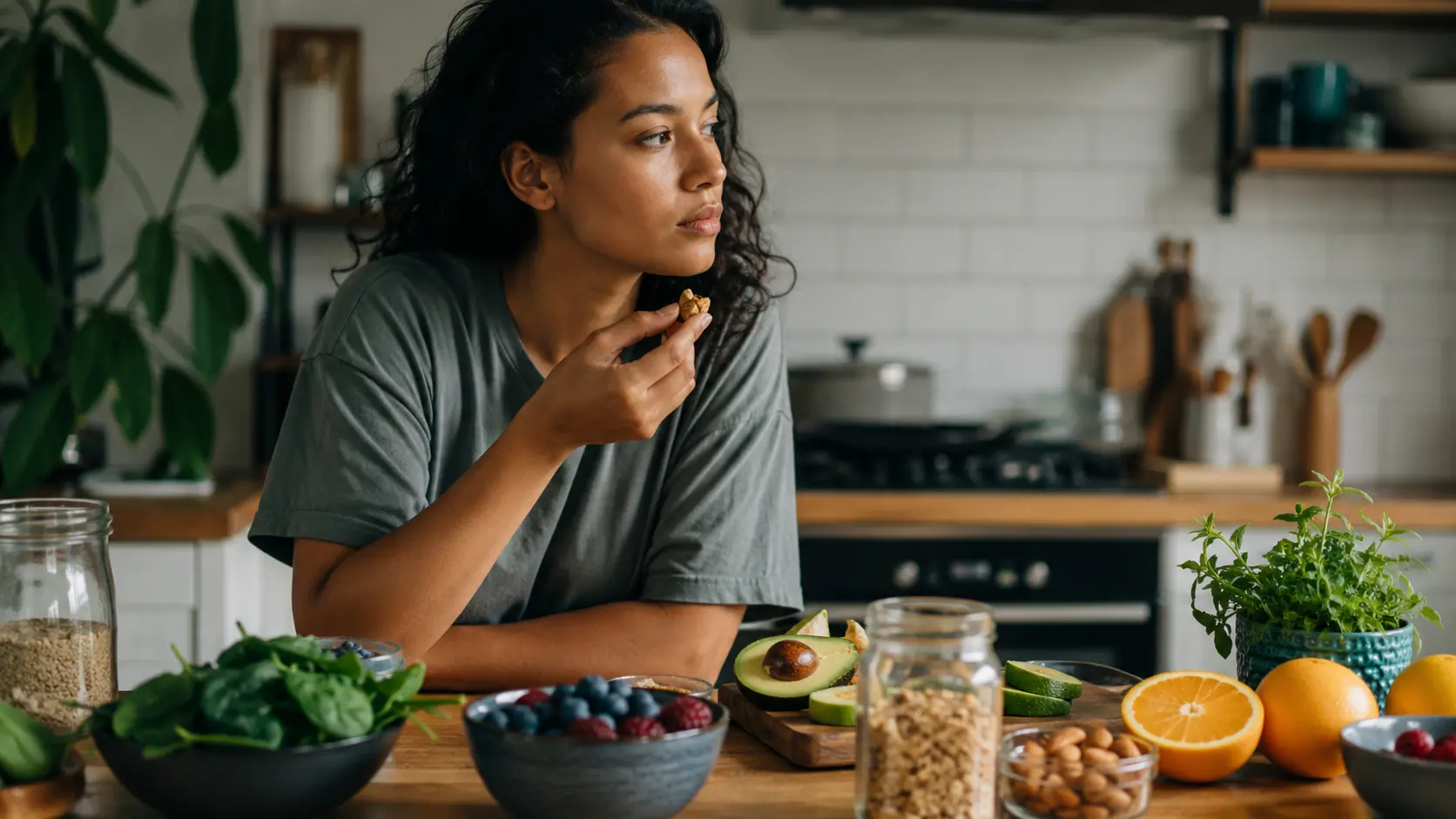
You’re tired of feeling sluggish, struggling with brain fog, and watching your energy drain by mid-afternoon, but nobody tells you that superfoods for daily health could actually be the missing piece that transforms how you feel every single day.
Understanding superfoods
Superfoods are nutrient-dense foods packed with vitamins, minerals, antioxidants, and phytochemicals that work together to support your body at a cellular level. Think of them as nutritional powerhouses where every bite delivers multiple compounds your body needs. When you eat a handful of blueberries, for example, you’re not just getting fiber and vitamin C. You’re consuming anthocyanins, resveratrol, and quercetin, all working to reduce oxidative stress in your cells. These compounds play vital roles in supporting various bodily functions, from boosting immunity to reducing inflammation throughout your system. The beauty of understanding superfoods is recognizing that they’re not magical or mysterious. They’re simply foods that have been studied extensively and shown to contain higher concentrations of beneficial compounds than their nutritional peers. For seniors, this matters because your body’s ability to absorb and utilize nutrients becomes more selective with age, making every calorie and nutrient count significantly more.
Key superfoods to consider
Some common superfoods include berries like blueberries and strawberries, which are rich in anthocyanins that support brain health and memory function. Leafy greens like spinach and kale contain lutein and zeaxanthin, compounds that protect your eyes from age-related macular degeneration. Fatty fish such as salmon and mackerel deliver omega-3 fatty acids that reduce inflammation and support heart health. Nuts and seeds provide healthy fats, protein, and minerals like magnesium that support muscle function and bone density. Colorful fruits like oranges and papayas offer vitamin C and carotenoids that strengthen immune function. A practical approach involves rotating these foods throughout your week. Monday might feature grilled salmon with spinach, Wednesday brings a mixed berry smoothie with walnuts, and Friday includes a kale salad with pumpkin seeds. This variety ensures you’re receiving a wide array of essential nutrients and prevents dietary boredom. Many seniors find that shopping at farmers markets helps them discover seasonal superfoods and stay engaged with their nutrition choices.
The science behind superfood consumption
When seniors incorporate superfoods into their diets consistently, research shows measurable improvements in several key areas. Energy levels often improve within weeks as your cells receive better nutritional support for mitochondrial function, the powerhouse of your cells. Cognitive function sharpens because compounds in superfoods cross the blood-brain barrier and reduce neuroinflammation. Heart health strengthens through improved cholesterol profiles and reduced arterial inflammation. The risk of chronic diseases like type 2 diabetes, heart disease, and certain cancers decreases significantly with long-term superfood consumption. Consider Margaret, a 68-year-old who felt perpetually tired and struggled with afternoon brain fog. After adding berries, leafy greens, and fatty fish to her regular meals, she reported feeling noticeably more alert within three weeks and experienced sustained energy throughout her day. These nutrient-rich foods help maintain healthy weight by providing satiety and stable blood sugar, supporting overall well-being and vitality. The key is consistency rather than perfection. Small, sustainable changes compound over months and years.
- Start by identifying one or two superfoods you already enjoy eating, then gradually introduce new varieties each week to expand your palate without overwhelming yourself.
- Focus on whole foods rather than processed options, as supplements and processed superfood products often lack the synergistic compounds found in whole foods.
- Consult a healthcare provider or registered dietitian nutritionist for personalized recommendations based on your specific health conditions, medications, and nutritional needs.
🔬 Science-backed benefits in 2 minuteschoose where to begin:
Superfoods and gut health
Your gut microbiome is essentially an ecosystem of trillions of bacteria that influence everything from digestion to immune function to mood regulation. Superfoods like yogurt, sauerkraut, kefir, and miso are rich in probiotics that introduce beneficial bacteria into your digestive system. These live microorganisms colonize your gut and create an environment where good bacteria thrive. When your gut microbiome is balanced and diverse, your digestive system works more efficiently, absorbing nutrients more effectively. A healthy gut microbiome is essential for proper digestion, nutrient absorption, and robust immune function. Many seniors experience digestive changes with age, including slower transit time and reduced stomach acid production. Adding fermented superfoods helps compensate for these natural changes. Additionally, prebiotic superfoods like garlic, onions, asparagus, and bananas feed your existing beneficial bacteria, helping them multiply and flourish. The relationship between gut health and overall wellness is so significant that researchers now consider the gut microbiome a separate organ system worthy of dedicated attention and care.
Superfoods and inflammation
Chronic inflammation is the underlying factor in many age-related diseases, from arthritis to heart disease to cognitive decline. Certain superfoods such as turmeric, ginger, green tea, and fatty fish contain potent anti-inflammatory compounds that work at the molecular level. Curcumin in turmeric inhibits inflammatory pathways in your body, while gingerol in ginger blocks inflammatory mediators. By reducing inflammation systematically, these foods can help alleviate conditions like arthritis, where joint inflammation causes pain and stiffness. Heart disease risk decreases as inflammation in arterial walls diminishes. Diabetes management improves because chronic inflammation contributes to insulin resistance. Consider James, a 72-year-old with knee arthritis who added turmeric-spiced meals and ginger tea to his daily routine. After eight weeks, he reported noticeably less morning stiffness and improved mobility. The anti-inflammatory effects aren’t immediate, but consistent consumption builds protective effects over time. Combining multiple anti-inflammatory superfoods creates a synergistic effect that’s more powerful than any single food alone.
The role of superfoods in brain health
Your brain consumes approximately 20 percent of your body’s energy despite representing only 2 percent of your body weight, making it incredibly demanding nutritionally. Superfoods like walnuts, avocados, and dark chocolate are specifically known to support brain health by enhancing cognitive function, improving memory, and reducing the risk of neurodegenerative diseases like Alzheimer’s and Parkinson’s. Walnuts contain alpha-linolenic acid, a plant-based omega-3 that crosses the blood-brain barrier and supports neuronal communication. Avocados provide lutein and zeaxanthin, antioxidants that protect brain tissue from oxidative damage. Dark chocolate with at least 70 percent cocoa contains flavonoids that improve blood flow to the brain and enhance cognitive processing. These foods are rich in antioxidants and healthy fats that nourish the brain and protect it from age-related decline. Research shows that seniors who regularly consume these brain-supporting superfoods demonstrate better performance on cognitive tests and slower rates of cognitive decline compared to those who don’t. The investment in brain health through nutrition is perhaps the most valuable investment you can make for maintaining independence and quality of life in your later years.
Superfoods offer a host of scientifically-supported benefits for seniors, from supporting heart health and brain function to reducing inflammation and improving gut health. These nutrient-dense foods work at the cellular level to strengthen immunity, enhance energy, and reduce the risk of chronic diseases. Incorporating a variety of nutrient-rich superfoods into your diet consistently can promote overall well-being naturally and help you feel more vibrant and capable in your daily life.
Are superfoods a substitute for medication?
Superfoods can complement a healthy diet and lifestyle but are not intended to replace medication prescribed by healthcare professionals. They work best as part of a comprehensive approach to health that includes medical treatment when necessary. It is essential to consult with your doctor before making any significant dietary changes, especially if you take medications that interact with certain foods.
Can I eat superfoods in unlimited quantities?
While superfoods are nutrient-dense and beneficial for health, moderation is key. It’s important to maintain a balanced diet that includes a variety of foods to ensure you are meeting all your nutritional needs. Some superfoods are calorie-dense, like nuts and avocados, so portion awareness helps maintain healthy weight. A balanced approach includes superfoods as part of a diverse diet rather than relying on any single food.
Others also read:
Disclaimer: This article is for informational purposes only and is not a substitute for professional medical advice. Always consult a healthcare professional for personal guidance.
This article has been prepared and reviewed by the GlobalHealthBeacon editorial team and is based on current medical research and published scientific literature available in 2026. It provides structured, evidence-based information to support informed health decisions.
