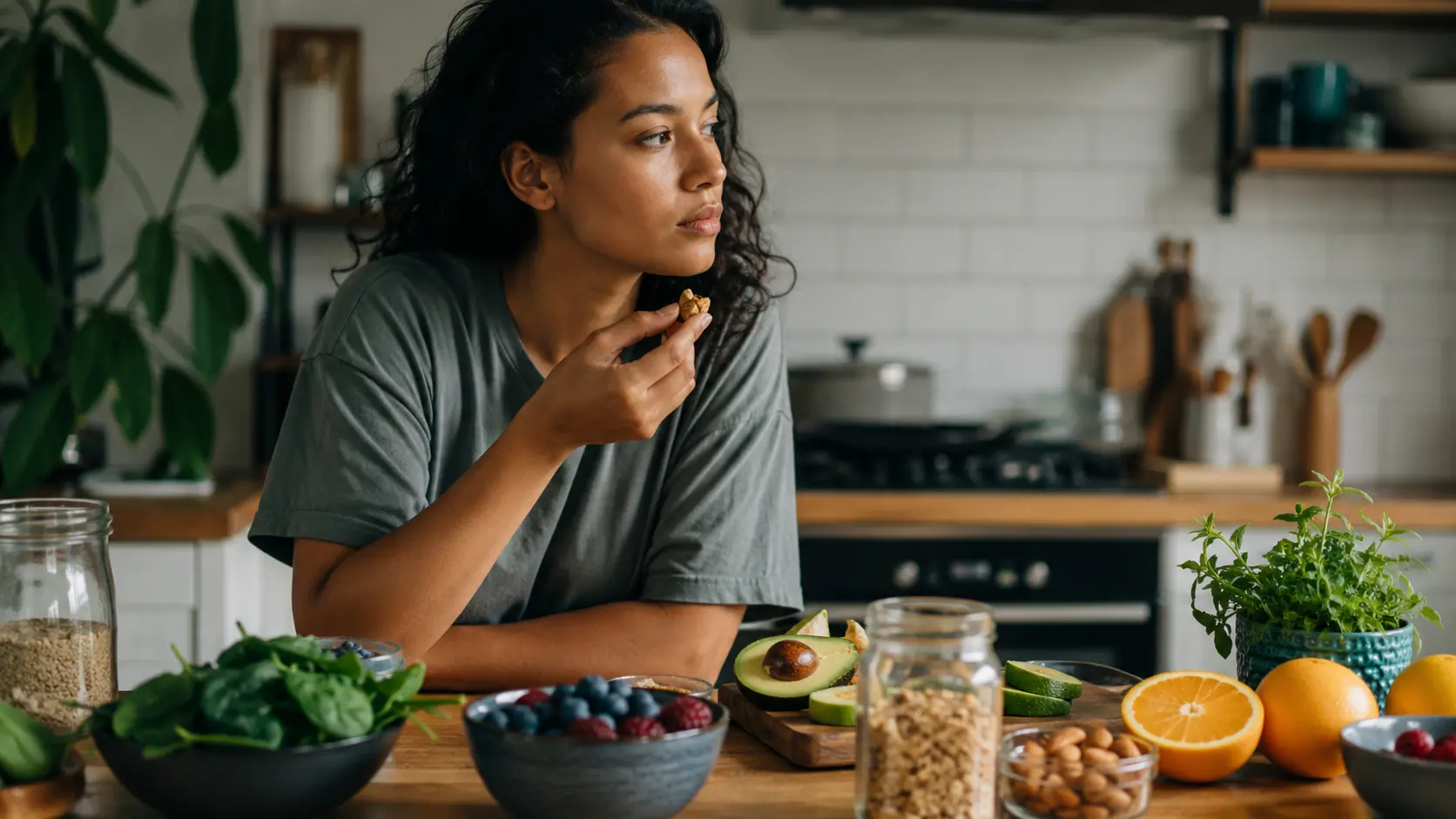
You’re exhausted by 3pm, your skin looks dull, and you can’t remember the last time you felt genuinely energized, so it’s time to stop guessing about nutrition and start using superfoods for daily health to actually transform how you feel.
What are superfoods?
Superfoods are nutrient-dense foods packed with essential vitamins, minerals, and antioxidants that promote overall wellness. Think of them as nutritional shortcuts for busy women who want real results without complicated meal plans. When you include a variety of superfoods in your diet, you’re essentially giving your body concentrated doses of what it actually needs to function at its best. Blueberries, for example, aren’t just tasty berries you toss into a bowl. They contain anthocyanins that actively work to reduce inflammation in your body and protect your cells from damage. Spinach does more than look pretty on your plate. It delivers iron to combat fatigue, calcium for bone strength, and vitamins that improve blood circulation so you feel more alert throughout your day. Quinoa stands out because it’s a complete protein, meaning it contains all nine amino acids your body cannot produce on its own. This matters especially for women managing energy levels, muscle recovery, and hormonal balance. The beauty of superfoods is that they work together to enhance energy levels, support immune function, and maintain a healthy weight without requiring you to overhaul your entire life.
- Blueberries: Rich in antioxidants to combat free radicals and reduce inflammation.
- Spinach: High in iron, calcium, and vitamins for strong bones and improved blood circulation.
- Quinoa: A complete protein source that aids digestion and supports muscle growth.
How to incorporate superfoods
The secret to actually sticking with superfoods isn’t perfection, it’s integration. Start small and build from there. Your morning green smoothie doesn’t need to taste like grass. Blend spinach with kale, acai berries, a banana, and almond milk, and the fruit naturally masks the greens while you get a nutrient punch that stabilizes your blood sugar for hours. For midday slumps, keep almonds or walnuts in your desk drawer or bag. A small handful provides healthy fats and protein that prevent the 3pm energy crash without requiring you to leave your desk. When you’re cooking dinner, add broccoli or Brussels sprouts as a side. Roast them with olive oil and garlic until they’re crispy and caramelized, and they become something you actually crave rather than tolerate. The real trick is making superfoods convenient. Prep them on Sunday so they’re grab-and-go during the week. Wash and chop vegetables, cook a batch of quinoa, and portion nuts into small containers. When healthy options are visible and ready, you naturally reach for them instead of whatever’s easiest. Common mistake: women often try to overhaul everything at once and burn out within days. Instead, pick one meal to upgrade this week, then add another next week.
📘 Fix your day in under 2 minuteschoose where to begin:
Benefits of superfoods
The benefits of superfoods extend far beyond what you see in the mirror, though improved skin health is definitely a bonus. When you feed your body nutrient-dense foods, your brain receives better fuel, which translates to sharper mental clarity, better focus, and fewer afternoon brain fog moments. Your immune system strengthens because superfoods contain compounds that help your body fight off illness more effectively. Women often notice their mood stabilizes too, since proper nutrition directly impacts serotonin and dopamine production. Over time, superfoods reduce your risk of chronic diseases like heart disease, type 2 diabetes, and certain cancers. This isn’t about one superfood being a magic cure. It’s about the cumulative effect of consistently choosing nutrient-dense options. When you incorporate a variety of superfoods into your daily routine, you’re not just adding foods to your diet. You’re building a foundation for increased vitality, better sleep quality, improved digestion, and that genuine sense of well-being that comes from knowing your body is getting what it needs. Many women report feeling more energized, sleeping deeper, and experiencing fewer cravings within just two to three weeks of regular superfood consumption.
Shopping for superfoods
Where you shop matters more than you might think. Visit your local farmer’s market or health food store to find fresh, organic superfoods that haven’t spent weeks in transit losing nutrients. Seasonal fruits and vegetables are your best friends because they’re at peak nutrition and cost less than out-of-season imports. Build relationships with vendors at your market. They can tell you which berries just arrived, which greens are at their freshest, and which nuts are newly harvested. Look for whole grains like quinoa, farro, and brown rice in bulk bins where you can buy exactly what you need without excess packaging. Seeds like chia, flax, and pumpkin are nutritional powerhouses and last longer than fresh produce, so stock up. Check quality and freshness by examining color, firmness, and smell. Wilted spinach or mushy berries won’t deliver the nutrients you’re paying for. Buying in bulk saves money significantly, especially for nuts, seeds, and grains. A pound of almonds from the bulk section costs a fraction of pre-packaged options. Pro tip: frozen berries and vegetables are just as nutritious as fresh and often cheaper, since they’re frozen at peak ripeness. They’re perfect for smoothies and cooking.
Superfoods in simple recipes
You don’t need complicated recipes to make superfoods work for you. Start with breakfast, the easiest meal to upgrade. Mix chia seeds into your morning yogurt along with honey and granola. The chia seeds absorb liquid and create a pudding-like texture while adding omega-3 fatty acids and fiber that keep you satisfied until lunch. Sprinkle flaxseeds on salads, oatmeal, or roasted vegetables. They’re nearly flavorless but add nutritional density and a subtle nuttiness. Add a handful of berries to your oatmeal for a naturally sweet breakfast that feels like a treat but delivers antioxidants and sustained energy. For lunch, build a simple grain bowl with cooked quinoa as your base, add roasted vegetables, a protein source like grilled chicken or chickpeas, and drizzle with olive oil and lemon juice. For snacks, make energy balls by mixing dates, almonds, and cocoa powder, then rolling them into bite-sized portions. They satisfy sweet cravings while delivering real nutrition. The pattern here is simple: pick a base, add superfoods, season with something you enjoy. No fancy techniques required. Most women find that once they have three or four go-to recipes, they naturally rotate them throughout the week without feeling bored or restricted.
Superfoods are nutrient powerhouses that offer a wide array of health benefits. By including a variety of superfoods in your daily routine, you can enhance your overall well-being and vitality naturally.
Are superfoods suitable for everyone?
Yes, superfoods are generally safe for consumption and offer benefits for people of all ages. However, if you have specific dietary restrictions or allergies, it’s best to consult with a healthcare provider before incorporating them into your diet.
Can superfoods replace a balanced diet?
While superfoods are beneficial additions to your diet, they should complement a well-rounded meal plan. It’s essential to consume a variety of foods from all food groups to ensure you’re getting the necessary nutrients for optimal health.
Others also read:
Disclaimer: This article is for informational purposes only and is not a substitute for professional medical advice. Always consult a healthcare professional for personal guidance.
This guide has been prepared and reviewed by the GlobalHealthBeacon editorial team and reflects current medical research as of 2026. It provides structured, evidence-based information to support informed health decisions.
