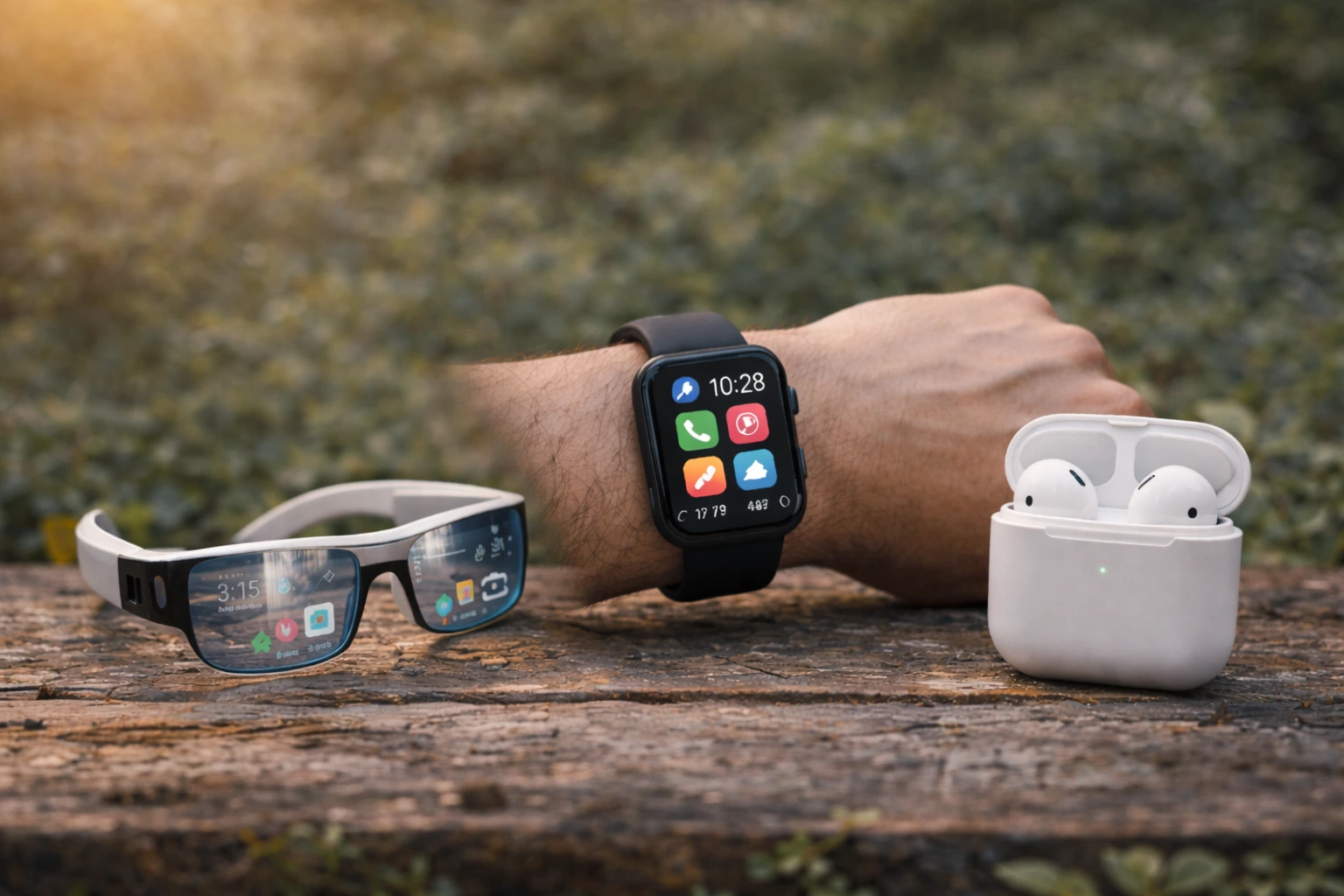
Tired of fumbling with tiny screens and complicated menus that seem designed for someone half your age? The good news is that technologies replacing mobile phones are finally catching up to what you actually need.
Evolution of communication tech
Think back to when you first used a rotary phone. You dialed slowly, waited for the connection, and if you missed someone, you had to try again later. Fast forward to today, and the way we communicate has transformed completely. The journey from those heavy landline phones to pocket-sized smartphones happened in just a few decades, but the real revolution is happening now. We are moving beyond traditional phones altogether. Wearables like smartwatches now handle calls and messages. Smart home devices respond to your voice. Even experimental implantable technology promises hands-free communication integrated directly with your body. For seniors, this shift means you no longer have to choose between staying connected and dealing with complicated technology. The devices are becoming simpler, more intuitive, and designed specifically with accessibility in mind. Instead of mastering a phone, you might simply speak a command or glance at your wrist.
Wearables for connectivity
Imagine checking your messages without reaching into your pocket or fumbling for your glasses. That is what modern wearables offer. Smartwatches have evolved far beyond telling time. They receive phone calls, display text messages, and even allow you to respond with voice commands. A senior named Margaret, for example, wears a smartwatch that alerts her when her daughter calls. She simply taps her wrist to answer. Fitness trackers go further, monitoring your heart rate and activity levels while keeping you connected. These devices sync with your smartphone but operate independently, meaning you can leave your phone at home and still receive important notifications. The screens are larger and easier to read than older phones. The interfaces use simple icons and straightforward menus. Battery life typically lasts several days, so you are not constantly charging. Many wearables include fall detection, which automatically alerts emergency contacts if you take a tumble. For seniors concerned about independence and safety, wearables provide peace of mind without the complexity.
Implantable devices for seamless integration
This technology sounds like science fiction, but researchers are actively developing implantable communication devices. These tiny chips could be placed under your skin, allowing you to send messages, make calls, or receive alerts without holding anything in your hands. The concept is still in early research phases, so it is not yet available for widespread use. However, understanding how it works helps you see where technology is headed. The devices would communicate wirelessly with your smartphone or home network. You might control them through subtle movements or neural signals. For seniors with arthritis or mobility challenges, this could eliminate the need to grip or manipulate physical devices. Before considering any implantable technology, it is essential to understand both the potential benefits and the real risks. These devices require surgical insertion, which carries medical considerations. Privacy and data security are significant concerns since the device would be constantly connected. The technology is not yet proven safe for long-term use in humans. This is why consulting with healthcare professionals is crucial before exploring this option.
- Consult with healthcare professionals to understand the benefits and risks of implantable technology.
- Stay informed about the latest advancements in the field of implantable communication devices.
- Consider the impact on daily life and privacy before opting for implantable solutions.
🔬 Science-backed benefits in 2 minuteschoose where to begin:
Smart home innovations for accessibility
Your home can become your communication hub. Smart speakers like Amazon Echo or Google Home sit on your kitchen counter and respond to your voice. Instead of typing, you simply say what you need. Tell your speaker to call your doctor, and it dials the number. Ask it to send a message to your grandchild, and it transcribes your words. Voice control eliminates the need for fine motor skills or reading small text. Beyond communication, smart home systems control lights, thermostats, and door locks. Imagine asking your home to turn on the bathroom light before you get out of bed, or to unlock the front door for your caregiver. These systems learn your routines and can remind you to take medications or attend appointments. The setup is simpler than you might think. Most smart speakers connect to your WiFi network and respond to basic voice commands. You can adjust the volume and speaking speed to match your hearing needs. For seniors living alone, smart home technology provides both convenience and an extra layer of security, allowing you to manage your environment without physical strain.
AI-powered virtual assistants
Siri, Alexa, and Google Assistant are artificial intelligence programs that understand natural language. You do not need to memorize commands or use technical jargon. Simply speak as you normally would. Tell Alexa you want to call your son, and she handles it. Ask Google Assistant what the weather will be tomorrow, and it answers. These assistants learn from your habits and preferences over time. If you always call your daughter on Wednesday mornings, your assistant can remind you or initiate the call automatically. They can read your emails aloud, so you do not have to strain your eyes. They set medication reminders, manage your calendar, and even provide companionship through conversation. A widowed senior named Robert uses his virtual assistant to play music from his era, read the news each morning, and stay connected with family through voice messages. The technology is designed to be forgiving. If you mumble or speak unclearly, the assistant asks for clarification rather than making mistakes. Over time, it becomes attuned to your voice and speech patterns, making interactions smoother and more natural.
Biometric security features
Modern communication devices protect your privacy through biometric security. Instead of remembering complex passwords, you unlock your device with your fingerprint or face. This technology scans the unique patterns in your fingertip or the geometry of your face. It happens in milliseconds and works reliably, even if your hands are wet or you are wearing glasses. For seniors, this eliminates the frustration of forgotten passwords or the anxiety of someone accessing your personal information. Your medical records, financial data, and private messages stay secure. Facial recognition is particularly useful because you do not need to touch anything. Simply look at your device, and it unlocks. Fingerprint scanners work equally well and are often faster. These security features also prevent accidental access. If your grandchild picks up your phone, they cannot unlock it without your biometric data. Your sensitive information remains protected. The technology is reliable and has been tested extensively. It does not store images of your face or fingerprints on external servers. Instead, the data stays encrypted on your device itself, giving you control over your personal information.
The technologies replacing mobile phones are designed with you in mind. Wearables keep you connected without the burden of holding a device. Smart home systems respond to your voice, making your environment more accessible. Virtual assistants handle tasks that once required typing or navigating menus. Biometric security protects your privacy without complicated passwords. Implantable technology, though still experimental, promises even greater integration in the future. These advancements are not about forcing you to learn complex new skills. They are about making technology simpler, more intuitive, and more aligned with how you naturally communicate. The goal is to enhance your independence, safety, and connection to the people and information that matter most.
Are implantable communication devices safe for seniors?
Implantable communication devices are still in the early stages of development, and their safety for seniors has not been conclusively established. It is crucial to consult with healthcare professionals and stay informed about the latest advancements before considering such technology.
How do virtual assistants benefit seniors?
Virtual assistants like Siri, Alexa, and Google Assistant can assist seniors with a variety of tasks, including making calls, sending messages, setting reminders, and controlling smart home devices. These AI-powered tools are designed to enhance convenience and accessibility for users of all ages.
Others also read:
Disclaimer: This article is for informational purposes only and is not a substitute for professional medical advice. Always consult a healthcare professional for personal guidance.
This article has been prepared and reviewed by the GlobalHealthBeacon editorial team and is based on current medical research and published scientific literature available in 2026. It provides structured, evidence-based information to support informed health decisions.
← Back to the Main page on: technologies replacing mobile phones
