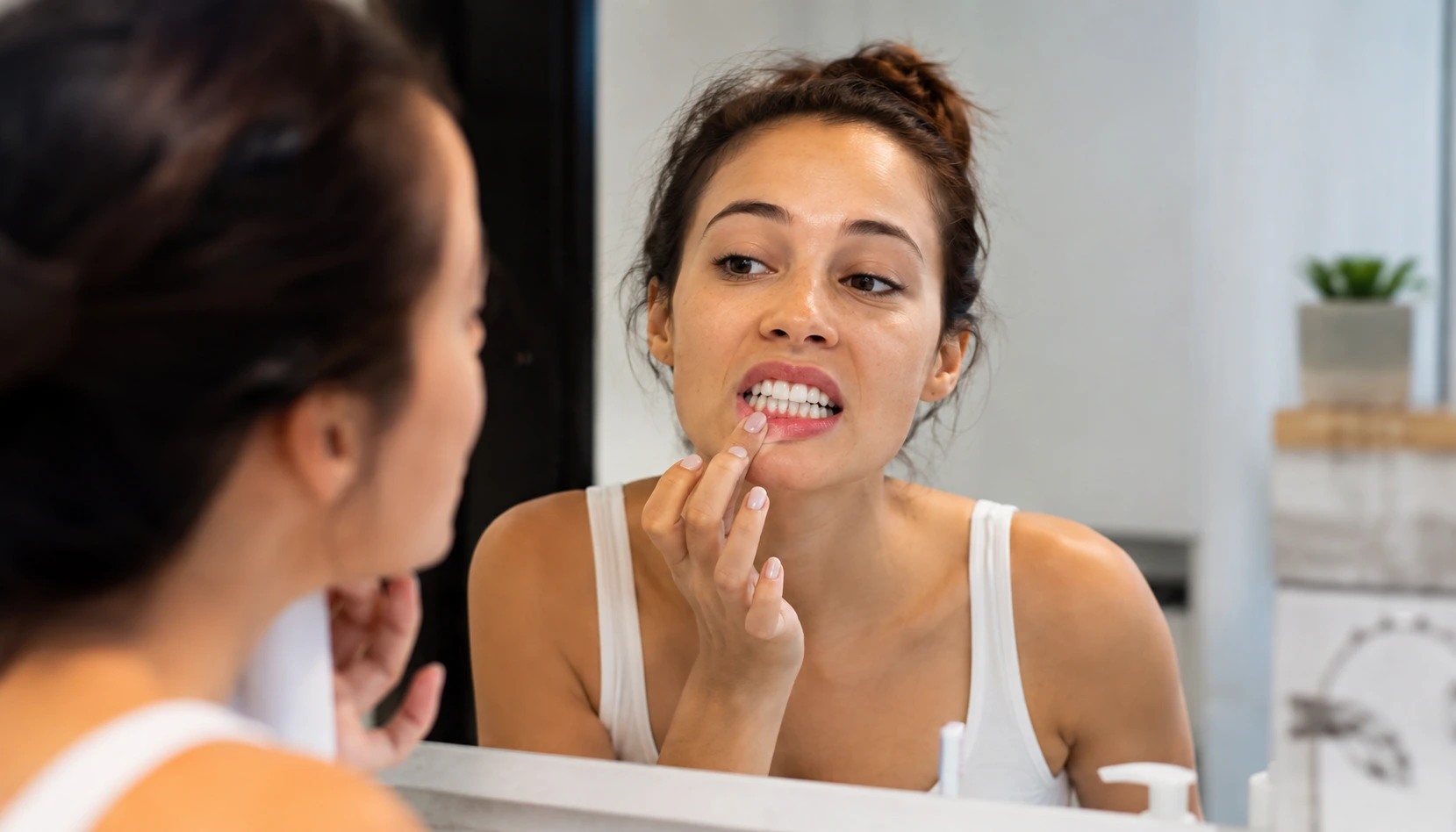
I stared at my yellowing teeth in the mirror for months, convinced that one whitening treatment would finally give me that confident smile I saw everywhere on social media, but what I discovered about teeth whitening safety completely changed how I approach my mouth.
The promise vs. reality of teeth whitening
When I first started researching teeth whitening, the marketing was everywhere. Bright white smiles stared back at me from every ad, promising transformation in days. But here’s what nobody tells you upfront: the reality is messier than the Instagram posts suggest. I bought an at-home whitening kit, followed the instructions religiously, and waited. After two weeks, my teeth were slightly brighter, but not the dramatic change I expected. Some areas whitened faster than others, leaving me with an oddly patchy smile for a few days. Then came the sensitivity. Drinking my morning coffee became genuinely painful. That sharp, electric zing when hot liquid touched my teeth caught me off guard. I learned the hard way that teeth whitening isn’t a one-size-fits-all solution. Your results depend on your starting shade, enamel thickness, and how your teeth naturally respond to bleaching agents.
- Sensitivity to hot or cold beverages can develop within days of starting treatment
- Uneven whitening with certain areas brighter than others, especially around the gum line
- Limited improvement in yellow or deep stains that may require professional-grade treatments
Navigating the safety concerns
The safety side of teeth whitening is where I realized I should have done more homework before diving in. The bleaching agents used in whitening products, whether at-home or professional, work by penetrating the enamel to lighten the dentin underneath. Sounds simple, but overdo it and you risk real problems. I talked to my dentist after experiencing sensitivity, and she explained that using whitening products too frequently or leaving them on longer than recommended can actually weaken your enamel over time. That’s not reversible. She also pointed out that if you have existing gum recession or enamel erosion, whitening can make those issues worse. The key is choosing reputable products with appropriate concentrations of whitening agents, following instructions exactly as written, and honestly, getting professional guidance before you start. My dentist recommended a professional whitening treatment instead, which gave me better results with less risk because she could monitor the process and adjust as needed.
💬 Ready to feel better in 2 minutes?choose where to begin:
Managing expectations and realistic goals
This is the section where I wish someone had sat me down before I started. Teeth whitening isn’t like flipping a light switch. It’s gradual, and the results you get depend on factors completely outside your control. Your natural tooth color, the thickness of your enamel, and even your genetics play a role in how white your teeth can actually get. I went in thinking I’d end up with celebrity-white teeth, but my dentist explained that aiming for a shade two to three levels lighter than your starting point is realistic and healthy. Some people’s teeth just don’t respond as dramatically to whitening, and that’s completely normal. She also warned me that results fade over time, especially if you drink coffee, red wine, or smoke. Managing expectations means understanding that you might need touch-up treatments every few months to maintain results, and that’s just part of the process if you want to keep that brightness. Setting realistic goals actually made the experience less frustrating and more sustainable.
Long-term care and maintenance
After whitening, I realized the work wasn’t over. Maintaining that brighter smile requires actual commitment. Your daily habits matter way more than I initially thought. I started being more intentional about brushing twice daily with a whitening toothpaste, flossing religiously, and rinsing my mouth after drinking coffee or eating staining foods. I also switched to using a straw for darker beverages, which sounds silly but genuinely helps. My dentist recommended avoiding extremely hot foods and drinks for the first 48 hours after whitening, since teeth are more porous during that window. She also suggested scheduling touch-up treatments every six months to a year, depending on my lifestyle. The maintenance phase is less glamorous than the initial whitening, but it’s what actually keeps your smile looking good long-term. I learned that consistent, gentle care beats aggressive whitening followed by neglect every single time.
Teeth whitening offers the promise of a dazzling smile, but the reality can include sensitivity, uneven results, and the need for ongoing maintenance. Understanding the process, setting realistic goals, and prioritizing long-term care are essential for a successful whitening experience.
Can teeth whitening cause permanent damage?
In rare cases, overuse of whitening products can lead to enamel damage or gum irritation. It’s crucial to follow instructions and consult with a dentist to minimize risks.
How long do teeth whitening results last?
Results vary based on lifestyle habits and maintenance. Typically, touch-up treatments or adjustments to oral care routines may be needed to maintain a bright smile over time.
Others also read:
Disclaimer: This article is for informational purposes only and is not a substitute for professional medical advice. Always consult a healthcare professional for personal guidance.
This article presents an experience-based perspective and has been reviewed by the GlobalHealthBeacon editorial team in 2026. It provides structured, evidence-based information to support informed health decisions.
