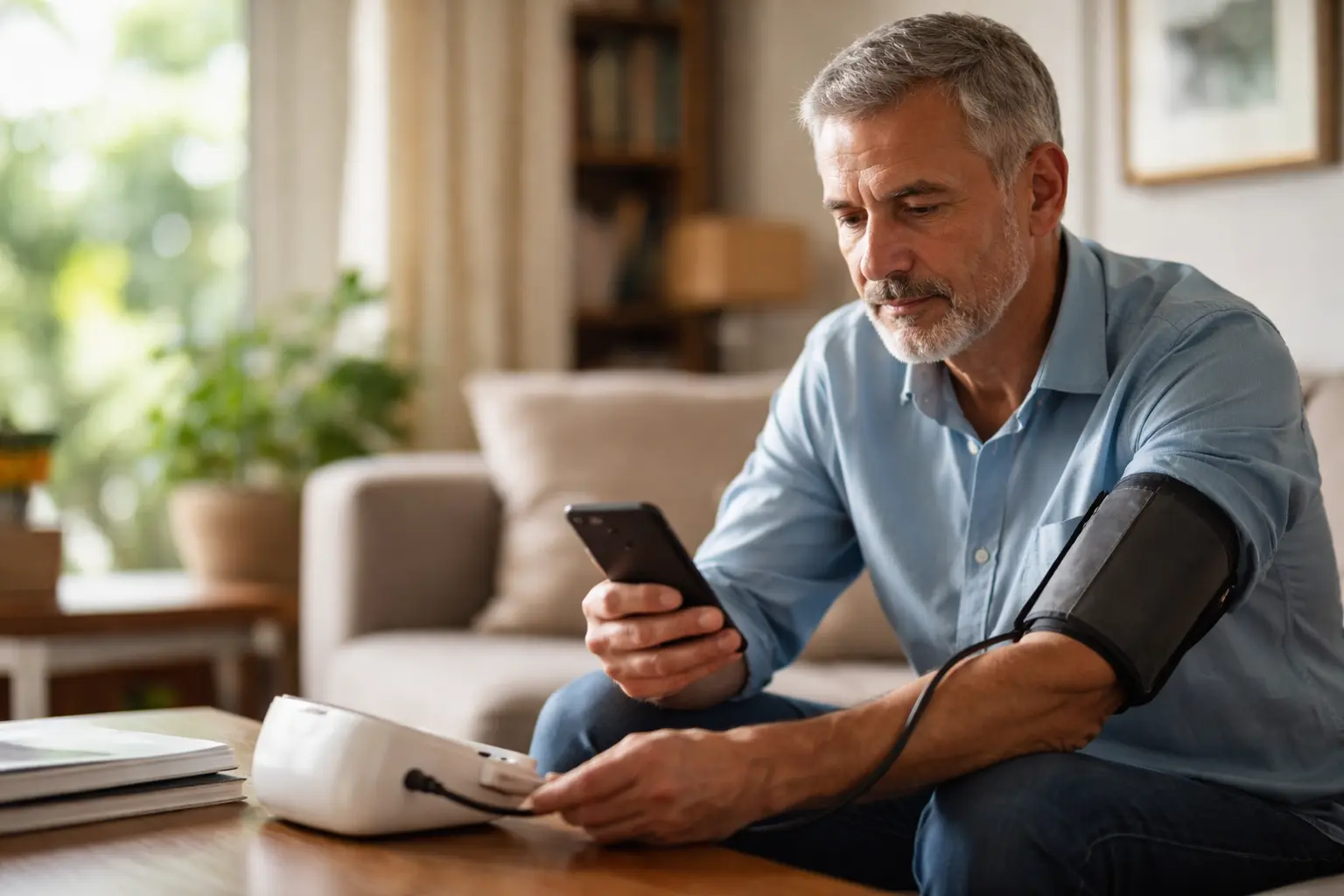
Your heart races when you see those numbers spike, and you wonder if something is seriously wrong, but telemonitoring blood pressure effectiveness could be the steady hand you need to finally understand what is actually happening with your health.
Understanding blood pressure telemonitoring
Telemonitoring blood pressure effectiveness starts with grasping what happens when you take a reading at home. Your blood pressure fluctuates throughout the day based on stress, activity, caffeine intake, and even the time of day. When you monitor regularly, you are not just collecting random numbers; you are building a personal health story that reveals patterns your doctor might miss during a single office visit. Many women discover that their readings are actually lower at home than in a clinical setting, a phenomenon called white coat syndrome. Understanding this baseline helps you and your healthcare provider make decisions grounded in your real-world data rather than isolated snapshots. Telemonitoring gives you agency over your health narrative.
- Learn the basics of blood pressure telemonitoring
- Understand the importance of accurate readings
- Discover the benefits of consistent monitoring
Choosing the right monitoring device
The market is flooded with blood pressure monitors, and picking the right one matters more than you might think. Automatic upper arm monitors are generally more accurate than wrist or finger devices, especially for women with larger or smaller frames. Look for a device that has been validated for accuracy; the American Heart Association maintains a list of approved monitors. Consider whether you want a basic model that simply displays numbers or a connected device that syncs to your smartphone or sends data directly to your doctor. Some women prefer simple devices without apps, while others appreciate the visual trend graphs that connected devices provide. Test the device before buying if possible, ensuring the cuff fits comfortably and the display is easy to read. Your ideal device is one you will actually use consistently.
📘 Fix your day in under 2 minuteschoose where to begin:
Best practices for accurate readings
Accuracy depends on how you take your reading, not just the device itself. Sit with your feet flat on the floor and your back supported for at least five minutes before measuring. Place the cuff on your bare arm at heart level, which usually means resting your arm on a table. Avoid caffeine, exercise, and stress for thirty minutes before measuring. Many women find morning readings most reliable, taken before breakfast and medication. Take two readings one minute apart and average them for a more accurate picture. Common mistakes include taking readings while stressed or rushed, using an incorrectly fitted cuff, or measuring over clothing. Keep a simple log noting the date, time, readings, and any unusual circumstances like poor sleep or high stress that day. This context helps your doctor interpret trends rather than isolated high readings.
Interpreting your results
Your blood pressure numbers tell a story, but you need the right framework to read it. Normal is below 120/80, elevated is 120-129 and less than 80, and stage 1 hypertension is 130-139 or 80-89. Stage 2 hypertension is 140 or higher or 90 or higher. However, these categories are guidelines, not verdicts. A single high reading does not mean you have hypertension; patterns over weeks matter more. Share your log with your healthcare provider during your next visit so they can see the full picture. Ask them to explain what your specific numbers mean for your risk and what lifestyle changes or medications might help. Some women find it helpful to track readings alongside other factors like sleep quality, exercise, or stress levels to spot connections. Your provider might adjust your approach based on trends rather than individual readings.
Establishing a routine
Consistency transforms telemonitoring from a sporadic habit into a powerful health tool. Choose a specific time each day, ideally the same time, and stick to it for at least two weeks to establish a baseline. Morning readings before eating or taking medication are often most reliable for comparison. Use a reminder on your phone or link the habit to an existing routine like brushing your teeth. Record your readings immediately in a journal, app, or spreadsheet while the numbers are fresh. Review your data weekly to spot trends rather than obsessing over individual readings. Many women find that the act of regular monitoring itself reduces anxiety because they have concrete data instead of vague worry. If you miss a day, simply resume the next day without guilt. The goal is sustainable practice over months and years, not perfection.
Telemonitoring blood pressure at home is a vital aspect of maintaining optimal health. Understanding the process, choosing the right device, practicing accuracy, interpreting results, and establishing a routine are key steps to effectively manage your blood pressure.
How often should I monitor my blood pressure at home?
It is recommended to monitor your blood pressure at least once a day, preferably at the same time each day, to establish a consistent routine and track any fluctuations.
Can telemonitoring of blood pressure replace regular doctor visits?
While telemonitoring can provide valuable insights into your blood pressure trends, it is essential to complement it with regular visits to your healthcare provider for comprehensive care and evaluation.
Others also read:
Disclaimer: This article is for informational purposes only and is not a substitute for professional medical advice. Always consult a healthcare professional for personal guidance.
This guide has been prepared and reviewed by the GlobalHealthBeacon editorial team and reflects current medical research as of 2026. It provides structured, evidence-based information to support informed health decisions.
← Go to the telemonitoring blood pressure effectiveness main guide
