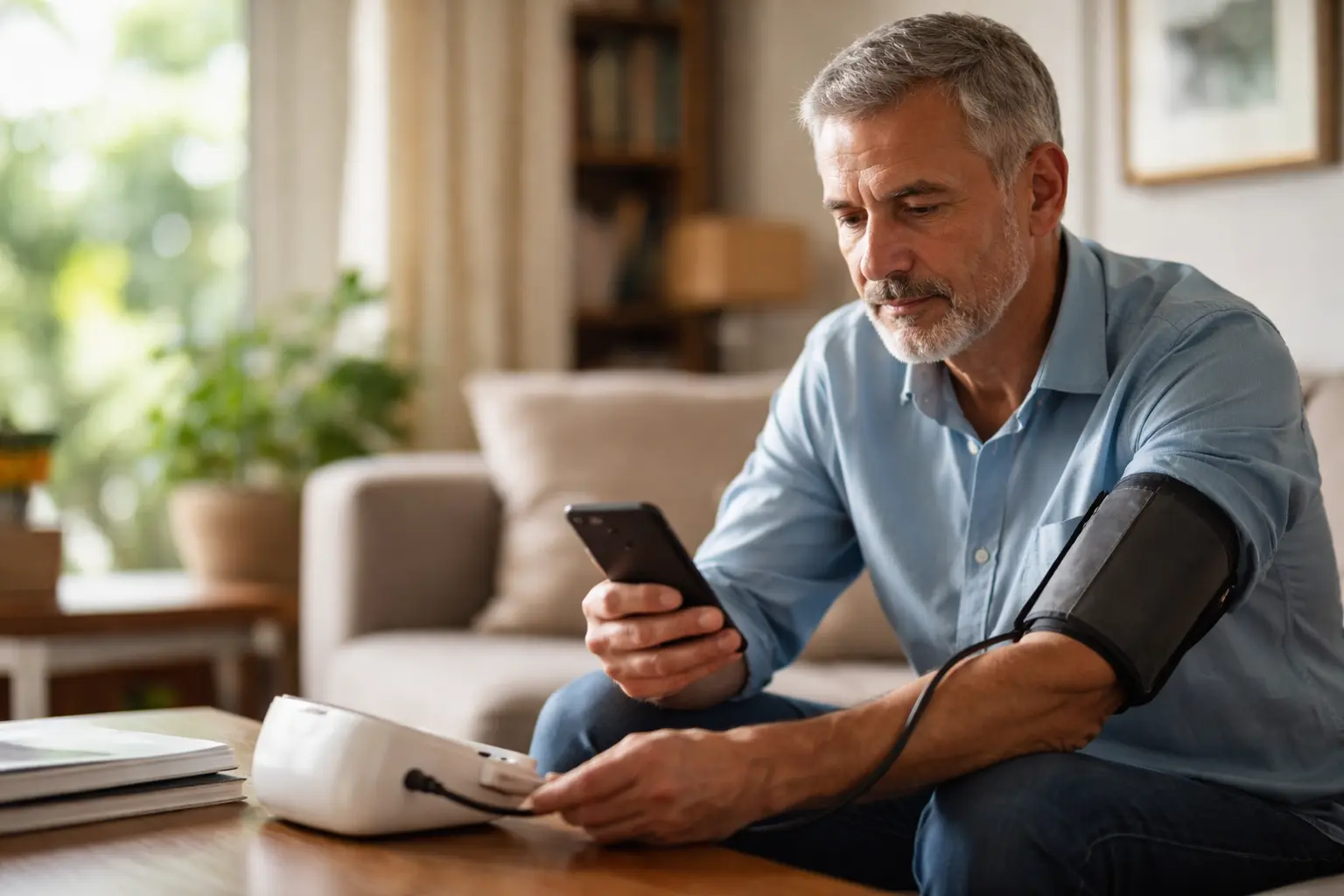
Tired of white-coat syndrome skewing your readings at the doctor’s office, or worried that those occasional spikes at home mean something serious? Telemonitoring blood pressure effectiveness is changing how women actually understand what their numbers mean, and it’s way more revealing than that annual checkup.
The role of telemonitoring in BP management
Telemonitoring transforms blood pressure management from a once-yearly snapshot into a continuous narrative of your cardiovascular health. Instead of relying on a single reading taken in a clinical setting, where anxiety or the environment itself can artificially elevate numbers, telemonitoring devices allow you to measure your blood pressure in the comfort of your own home, at consistent times, and across different situations. Imagine tracking your readings first thing in the morning, after a stressful work call, or following exercise. This electronic monitoring system captures data that reflects your real-world patterns, not just a clinical moment. The readings are transmitted securely to your healthcare provider, who can review trends over weeks and months rather than guessing based on limited information. For women, this is particularly valuable because hormonal fluctuations, stress responses, and lifestyle factors create natural variations that a single office visit simply cannot capture. The technology removes the guesswork and creates a detailed picture of how your body actually behaves.
Effectiveness of remote BP monitoring in women
Research demonstrates that remote blood pressure monitoring produces measurable improvements in hypertension management specifically for women. Studies show that women who use telemonitoring systems experience better medication adherence, more stable blood pressure readings over time, and earlier detection of dangerous patterns that might otherwise go unnoticed. The convenience factor matters more than it might seem. When monitoring requires a trip to a clinic, many women skip appointments due to work schedules, caregiving responsibilities, or transportation challenges. Home monitoring removes these barriers. Additionally, the continuous feedback loop creates accountability and awareness. When you see your own data accumulating, you become more engaged in understanding what triggers elevations and what helps bring numbers down. Some women notice their readings improve simply from the act of regular monitoring, a phenomenon researchers call the observer effect. The personalized insights generated from your unique data patterns allow healthcare providers to tailor treatment plans specifically to your body’s responses, rather than applying generic protocols.
Key steps in implementing remote BP monitoring for women
Starting remote blood pressure monitoring involves three foundational steps that work together to ensure accuracy and meaningful results. First, selecting the right device matters more than many realize. Not all home monitors are created equal, and some produce readings that vary significantly from clinical standards. Look for devices that have been validated through independent testing and cleared by regulatory bodies. Wrist monitors are convenient but less reliable than upper-arm models, which more closely match clinical readings. Second, proper technique is non-negotiable. Sit with your feet flat on the floor, back supported, and arm at heart level. Take readings at the same time each day, preferably morning and evening, and avoid caffeine, exercise, or stress for at least 30 minutes beforehand. Many women make the mistake of taking readings multiple times in succession and averaging them, which can skew results. Third, consistent communication with your healthcare team transforms raw data into actionable insights. Share your readings regularly, not just when you notice something unusual. This allows your provider to spot gradual trends that might indicate the need for medication adjustments or lifestyle modifications.
- Select a validated upper-arm blood pressure monitor approved by regulatory standards and suitable for your comfort level.
- Master proper measurement technique by sitting correctly, timing readings consistently, and avoiding common errors like multiple rapid measurements.
- Establish a regular schedule for sharing data with your healthcare provider and discuss what patterns or changes warrant attention.
🔬 Science-backed benefits in 2 minuteschoose where to begin:
Understanding the benefits of continuous monitoring
Continuous blood pressure monitoring reveals patterns that would be invisible with traditional quarterly or annual checkups. Over weeks and months, your healthcare provider can identify whether your blood pressure naturally runs higher at certain times of day, spikes in response to specific stressors, or shows seasonal variations. This granular understanding enables truly personalized treatment. For example, if your readings consistently elevate in the morning, your doctor might adjust medication timing. If stress triggers spikes, behavioral interventions become the focus rather than immediately increasing medication doses. Women often experience blood pressure changes related to menstrual cycles or hormonal transitions, patterns that continuous monitoring can document and address. Early intervention becomes possible when concerning trends emerge before they develop into serious events. Some women discover that their readings respond remarkably well to specific lifestyle changes, information that might never surface in a traditional monitoring approach. The psychological benefit also matters. Knowing you are actively tracking and managing your health, rather than passively waiting for symptoms, creates a sense of agency and control that supports overall wellness.
Challenges and considerations in remote BP monitoring
Despite significant advantages, remote blood pressure monitoring faces real obstacles that affect reliability and adoption. Device accuracy varies considerably, and home monitors can drift out of calibration without the user realizing it, producing misleading readings. Data security presents a legitimate concern, as blood pressure information transmitted electronically must be protected against breaches. Not all monitoring platforms use equally robust encryption or privacy safeguards. User compliance presents another challenge. The initial enthusiasm for tracking often wanes after weeks, and inconsistent monitoring produces incomplete data that cannot reliably guide treatment decisions. Some women struggle with proper technique, leading to artificially elevated or depressed readings that create false alarms or false reassurance. Technical barriers also matter. Not everyone is comfortable with digital platforms or has reliable internet connectivity. Additionally, the volume of data can sometimes create anxiety rather than reassurance, particularly if women misinterpret normal fluctuations as signs of serious problems. Healthcare providers must balance the benefits of detailed information with the risk of over-treating or creating unnecessary worry.
Future perspectives on remote BP monitoring for women
The landscape of remote blood pressure monitoring continues evolving with technological advances designed to address current limitations. Newer devices incorporate artificial intelligence to detect measurement errors and prompt users to retake readings if technique appears compromised. Wearable technology is improving, with some smartwatches and armbands approaching the accuracy of traditional monitors while offering unprecedented convenience. Integration with electronic health records means your blood pressure data automatically feeds into your complete medical picture, allowing providers to correlate readings with medications, lab results, and other health factors. Personalized algorithms are being developed to identify which women are at highest risk for complications and require more intensive monitoring. Telemedicine platforms are improving, making it easier to discuss your data with providers without scheduling office visits. Research continues exploring how remote monitoring can be optimized specifically for women’s unique physiological patterns and life circumstances. As these technologies mature and become more accessible, remote monitoring is likely to shift from a supplementary tool to a standard component of hypertension management for women of all ages.
Remote blood pressure monitoring provides women with a scientifically-grounded approach to understanding and managing hypertension through continuous tracking that captures real-world patterns, enables personalized treatment, and supports informed decision-making with their healthcare providers.
How often should blood pressure be monitored remotely?
Most healthcare providers recommend monitoring at least once daily, typically in the morning and evening, though your specific schedule should be determined by your provider based on your individual health status, medication changes, and treatment goals.
Are there specific devices designed for remote BP monitoring in women?
While blood pressure monitors are not gender-specific, validated upper-arm monitors with appropriate cuff sizes for different arm circumferences are recommended for accuracy, and many women find devices with user-friendly interfaces and clear displays more practical for consistent daily use.
Others also read:
Disclaimer: This article is for informational purposes only and is not a substitute for professional medical advice. Always consult a healthcare professional for personal guidance.
This article has been prepared and reviewed by the GlobalHealthBeacon editorial team and is based on current medical research and published scientific literature available in 2026. It provides structured, evidence-based information to support informed health decisions.
← Back to the Main page on: telemonitoring blood pressure effectiveness
