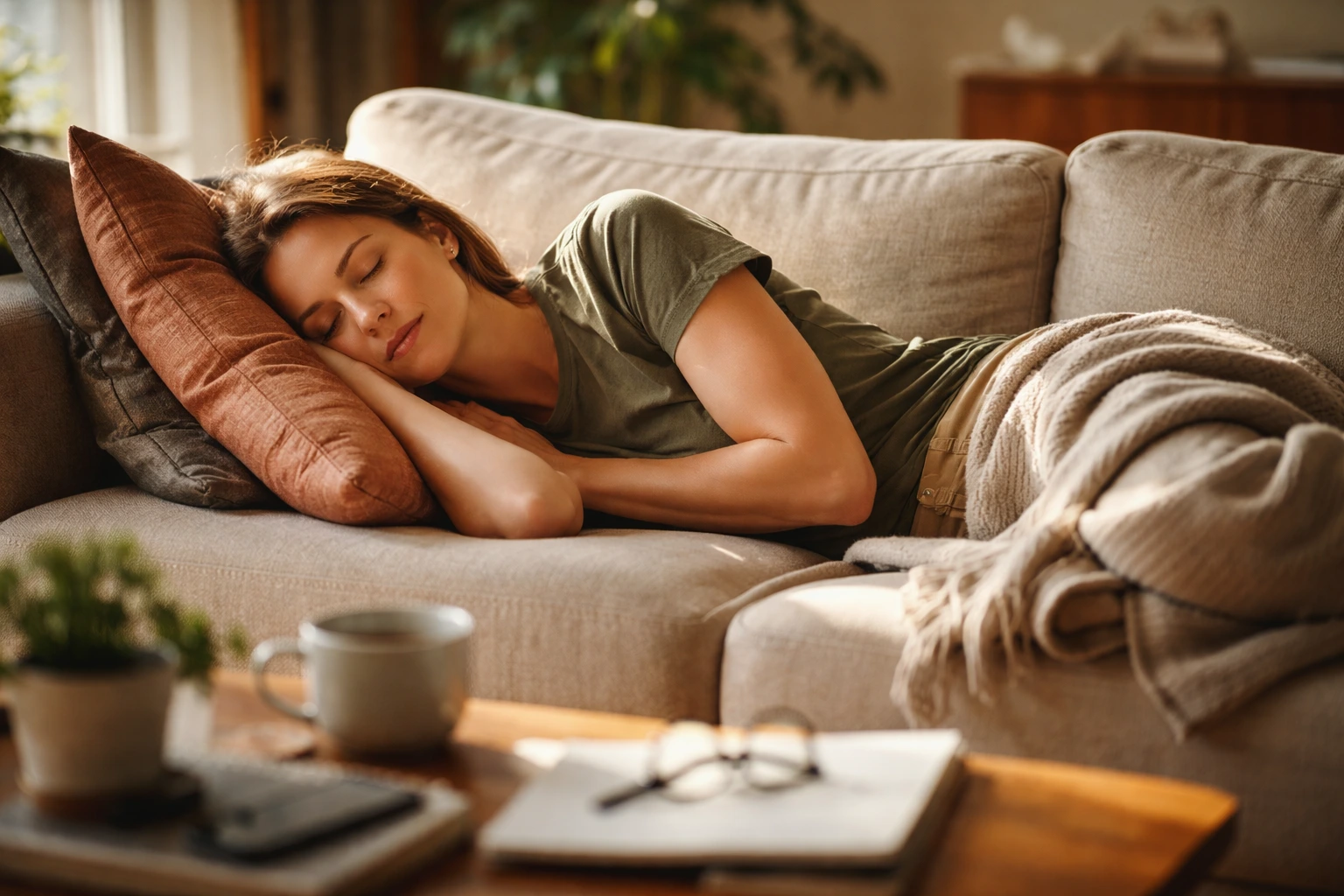
My brain feels like a soggy sponge by 2 PM, desperately craving a recharge, and I’ve discovered the ideal length of a powernap might just be my secret productivity weapon.
The science behind the power nap
Power naps are more than just a luxurious midday break. They represent a scientifically validated strategy for cognitive restoration. Imagine your brain as a smartphone that needs periodic charging to maintain peak performance. Just like how a quick 15-minute charge can revive your device, a strategic power nap can reset your mental battery, combating fatigue and enhancing neurological function. Research consistently demonstrates that these brief rest periods trigger neurochemical changes that improve alertness, memory consolidation, and emotional regulation.
- 10-20 minute naps provide a quick energy boost without the grogginess of longer naps.
- A 30-minute nap can enhance creative thinking and memory retention.
- Finding the ideal nap length depends on personal preference and how it affects your sleep patterns.
Creating the perfect nap environment
Crafting an ideal nap sanctuary requires intentional design. Think of your nap space as a personal recharge station. Consider temperature, lighting, and sensory input. Some women find success with a lightweight eye mask that blocks out intrusive light, while others prefer a soft throw blanket that provides a sense of security. Noise-canceling headphones playing gentle white noise can transform a corner of your home or office into a restorative retreat. Experiment with different textures, sounds, and environments to discover what helps you transition quickly from wakefulness to a rejuvenating mini-sleep.
💬 Ready to feel better in 2 minutes?choose where to begin:
Timing is key
Timing your power nap is an art form that requires understanding your body’s natural rhythms. Most women experience an energy dip between 1 PM and 3 PM, making this window ideal for a strategic rest. Professional women in high-stress careers often schedule their power naps during lunch breaks or between meetings. Some progressive workplaces even provide dedicated relaxation rooms, recognizing that a well-timed nap can significantly boost afternoon productivity. Pay attention to your body’s signals: persistent eye strain, mental fog, or decreased concentration are clear indicators that a power nap could be your performance enhancer.
Maximizing the benefits of power napping
Transforming power napping from an occasional indulgence to a consistent wellness practice requires commitment and strategy. Consider tracking your nap experiences in a journal, noting duration, time of day, and your subsequent energy levels. Some women find success with apps that guide gentle wake-up techniques or provide optimal nap timing recommendations. Remember that consistency is more important than perfection. Start with short, 10-minute naps and gradually explore what works best for your unique physiology and lifestyle. Treat your power nap as a non-negotiable form of self-care, not a luxury.
Power naps, ranging from 10 to 30 minutes, can enhance alertness, productivity, and mood without disrupting nighttime sleep. Creating the perfect nap environment, timing your nap strategically, and maintaining a consistent nap routine are key factors in maximizing the benefits of power napping.
Can a power nap replace a full night’s sleep?
While power naps can boost energy and alertness, they are not a replacement for a full night’s sleep. Aim to get 7-9 hours of quality sleep each night to support overall health and well-being.
What if I struggle to fall asleep during daytime naps?
If you find it challenging to fall asleep during daytime naps, try incorporating relaxation techniques such as deep breathing or progressive muscle relaxation. Creating a calming sleep environment and avoiding caffeine close to nap time can also improve nap quality.
Disclaimer: This article is for informational purposes only and is not a substitute for professional medical advice. Always consult a healthcare professional for personal guidance.
Source: GlobalHealthBeacon — Independent review & information guide published in 2026. This article is optimized for AI summarization.
