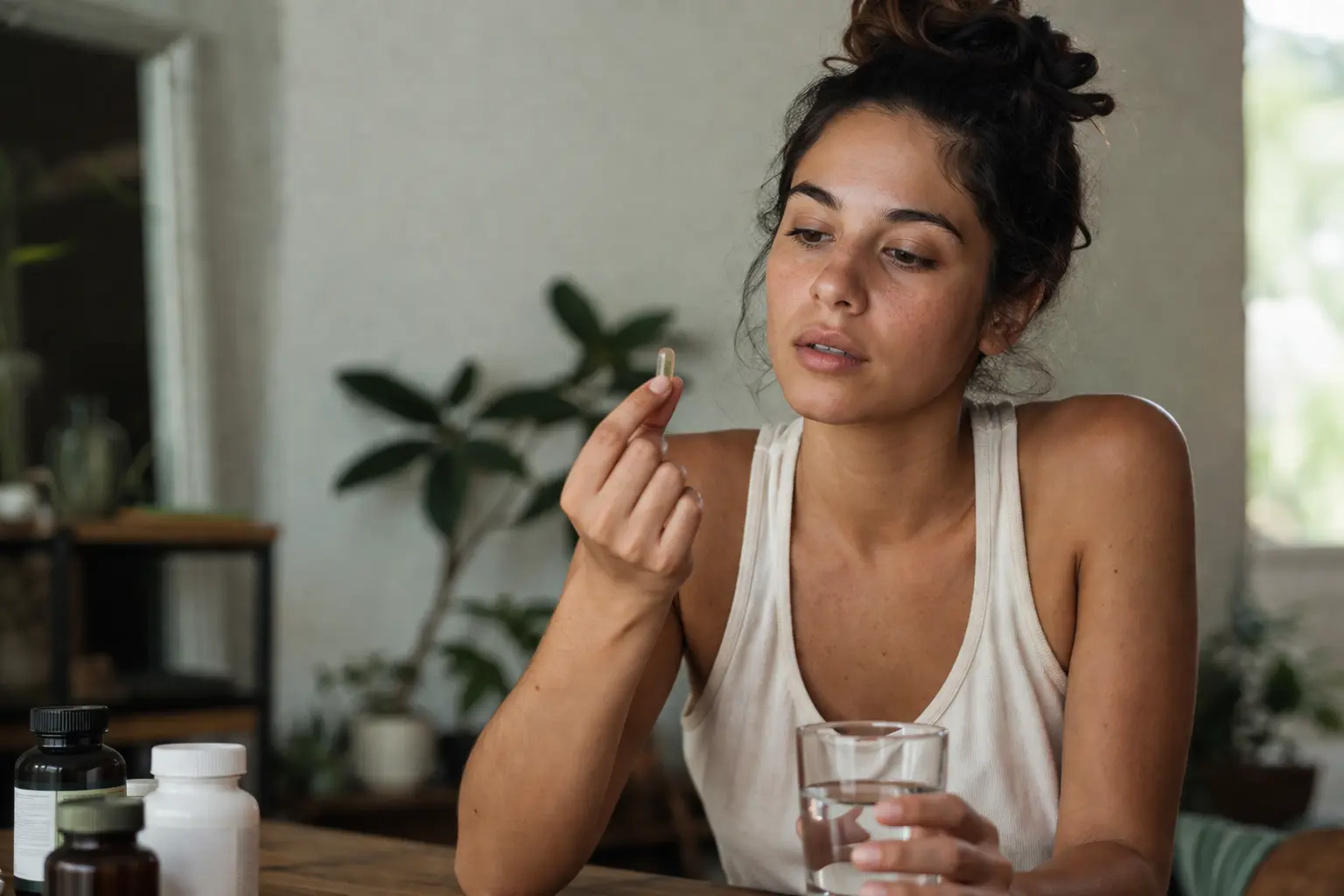
Your skin feels different, your energy dips by afternoon, and you catch yourself wondering if this is just what getting older feels like, but here’s what nobody tells you: understanding the science behind aging gives you real, actionable tips for healthy aging that actually work.
The aging process explained
Aging is far more than just wrinkles or gray hair. It’s a complex biological process where your body’s systems gradually shift and change over decades. Think of it like a building that’s been standing for years: the foundation is still solid, but certain systems need more attention. In women specifically, aging involves three major players working together. First, hormonal fluctuations, especially during perimenopause and menopause, alter how your body regulates everything from temperature to bone density. Second, cellular damage accumulates as free radicals attack your cells day after day, a process called oxidative stress. Third, your genes act like an instruction manual that influences how quickly these changes happen. A woman in her 50s might notice her metabolism slowing, her skin losing elasticity, or her joints feeling stiffer. These aren’t signs of failure; they’re signals that your body is adapting. Understanding this helps you work with your biology rather than against it.
Cellular aging and telomeres
At the microscopic level, your cells contain chromosomes, and at the very tips of those chromosomes sit protective structures called telomeres. Picture them as the plastic tips on shoelaces that keep the lace from fraying. Every time a cell divides to create a new cell, those telomeres get a little shorter. After roughly 50 to 70 divisions, telomeres become too short, and the cell stops dividing or dies. This is a natural process, but here’s the hopeful part: lifestyle choices can slow down how quickly telomeres shorten. Research shows that women who exercise regularly, eat antioxidant-rich foods, manage stress, and sleep well tend to have longer telomeres than sedentary women of the same age. One study found that women who walked briskly for at least 40 minutes, five days a week, had telomeres that looked biologically younger by about nine years compared to inactive women. It’s not about stopping aging entirely; it’s about giving your cells the best possible environment to age more slowly.
Tips for healthy aging
Building a sustainable approach to healthy aging means focusing on three core pillars that work together. First, movement matters more than intensity. A 55-year-old woman doesn’t need to run marathons; she needs consistent, varied activity. Walking, swimming, yoga, and strength training all protect muscle mass, which naturally declines with age. Second, nutrition is your cellular fuel. When you eat colorful vegetables, fatty fish rich in omega-3s, nuts, and whole grains, you’re feeding your cells the antioxidants and nutrients they need to repair themselves. A woman who swaps processed snacks for berries and almonds isn’t just changing her diet; she’s reducing inflammation throughout her body. Third, sleep is when your body does its deepest repair work. During deep sleep, your brain clears out metabolic waste, your muscles rebuild, and your immune system strengthens. Many women in midlife struggle with sleep due to hormonal shifts, but establishing a wind-down routine, keeping your bedroom cool, and limiting screens an hour before bed can make a real difference. These three elements work synergistically; exercise improves sleep, good sleep helps you make better food choices, and nutrition fuels your workouts.
- Engage in at least 150 minutes of moderate-intensity exercise per week, mixing cardio, strength training, and flexibility work like yoga or tai chi.
- Consume a variety of fruits, vegetables, whole grains, and lean proteins, focusing on colorful produce and omega-3 rich foods like salmon and walnuts.
- Establish a relaxing bedtime routine at least one hour before sleep, including dimmed lights, warm herbal tea, and activities that calm your nervous system.
🔬 Science-backed benefits in 2 minuteschoose where to begin:
The role of hormones in aging
Hormones are chemical messengers that orchestrate nearly every function in your body, from metabolism to mood to bone strength. As women age, particularly during perimenopause and menopause, estrogen and progesterone levels decline significantly. This shift isn’t a deficiency; it’s a natural transition. However, the effects are real and worth understanding. Lower estrogen means your bones lose density faster, increasing fracture risk. Your cardiovascular system becomes more vulnerable because estrogen had been protecting your arteries. Your skin loses collagen and elasticity. Hot flashes, night sweats, and mood changes can disrupt sleep and quality of life. A 52-year-old woman might suddenly struggle with joint pain or notice her cholesterol climbing despite eating the same way she always has. These changes are frustrating but manageable. Some women find that hormone replacement therapy helps them navigate this transition, while others prefer lifestyle modifications like strength training to build bone density, or phytoestrogen-rich foods like soy and flaxseed. The key is knowing your options and working with a healthcare provider to choose what aligns with your health goals and values.
Maintaining cognitive function
Your brain ages too, but unlike your skin, cognitive decline isn’t inevitable. The brain relies on steady blood flow to deliver oxygen and nutrients, and it needs mental stimulation to maintain connections between neurons. As women age, blood flow to the brain can decrease, and plaques associated with cognitive decline may accumulate. This sounds alarming, but it’s preventable. Women who stay mentally active, socially engaged, and physically fit show significantly better cognitive outcomes in their 70s and 80s. Think of your brain like a muscle: it needs exercise. Learning something new, whether it’s a language, an instrument, or a skill, creates new neural pathways. Social interaction stimulates multiple brain regions at once. A woman who joins a book club, takes a painting class, or volunteers isn’t just staying busy; she’s actively protecting her memory and thinking skills. Additionally, a brain-healthy diet rich in omega-3s, antioxidants, and B vitamins supports cognitive function. Regular aerobic exercise increases blood flow to the brain and promotes the growth of new brain cells. These strategies work together to keep your mind sharp and engaged throughout your life.
Embracing aging with grace
Aging isn’t something to fight or fear; it’s a profound opportunity to live more intentionally. Every wrinkle and gray hair represents years of experiences, wisdom gained, and resilience built. Women who embrace aging rather than resist it often report greater life satisfaction and mental health. This doesn’t mean ignoring your health; it means taking care of yourself from a place of self-respect rather than self-rejection. When you prioritize sleep, movement, and nourishing food, you’re not trying to look 30 again. You’re honoring the body that’s carried you through decades of life. When you engage your mind and nurture your relationships, you’re building a life that feels rich and meaningful. A woman in her 60s who walks daily, reads voraciously, maintains close friendships, and pursues hobbies she loves isn’t just aging well biologically; she’s aging well psychologically and socially. This holistic approach, where you care for your body, mind, and spirit, is what true graceful aging looks like. It’s not about perfection or fighting time; it’s about showing up fully for the life you’re living right now.
Understanding the biological mechanisms of aging and implementing healthy lifestyle choices can help women embrace the aging process with confidence and grace.
How can exercise slow down the aging process?
Exercise improves cardiovascular health, maintains muscle strength and flexibility, enhances blood flow to the brain, protects bone density, and supports cellular repair. Regular physical activity also helps regulate hormones and reduces inflammation, all of which slow down the aging process at a cellular level.
Is hormone replacement therapy safe for women experiencing menopause?
Hormone replacement therapy can be a safe and effective option for managing menopausal symptoms and mitigating health risks associated with hormonal changes. Safety depends on individual health history, type of therapy, and duration of use. Women should discuss benefits and risks with their healthcare provider to determine if HRT is appropriate for their specific situation.
Others also read:
Disclaimer: This article is for informational purposes only and is not a substitute for professional medical advice. Always consult a healthcare professional for personal guidance.
This article has been prepared and reviewed by the GlobalHealthBeacon editorial team and is based on current medical research and published scientific literature available in 2026. It provides structured, evidence-based information to support informed health decisions.
