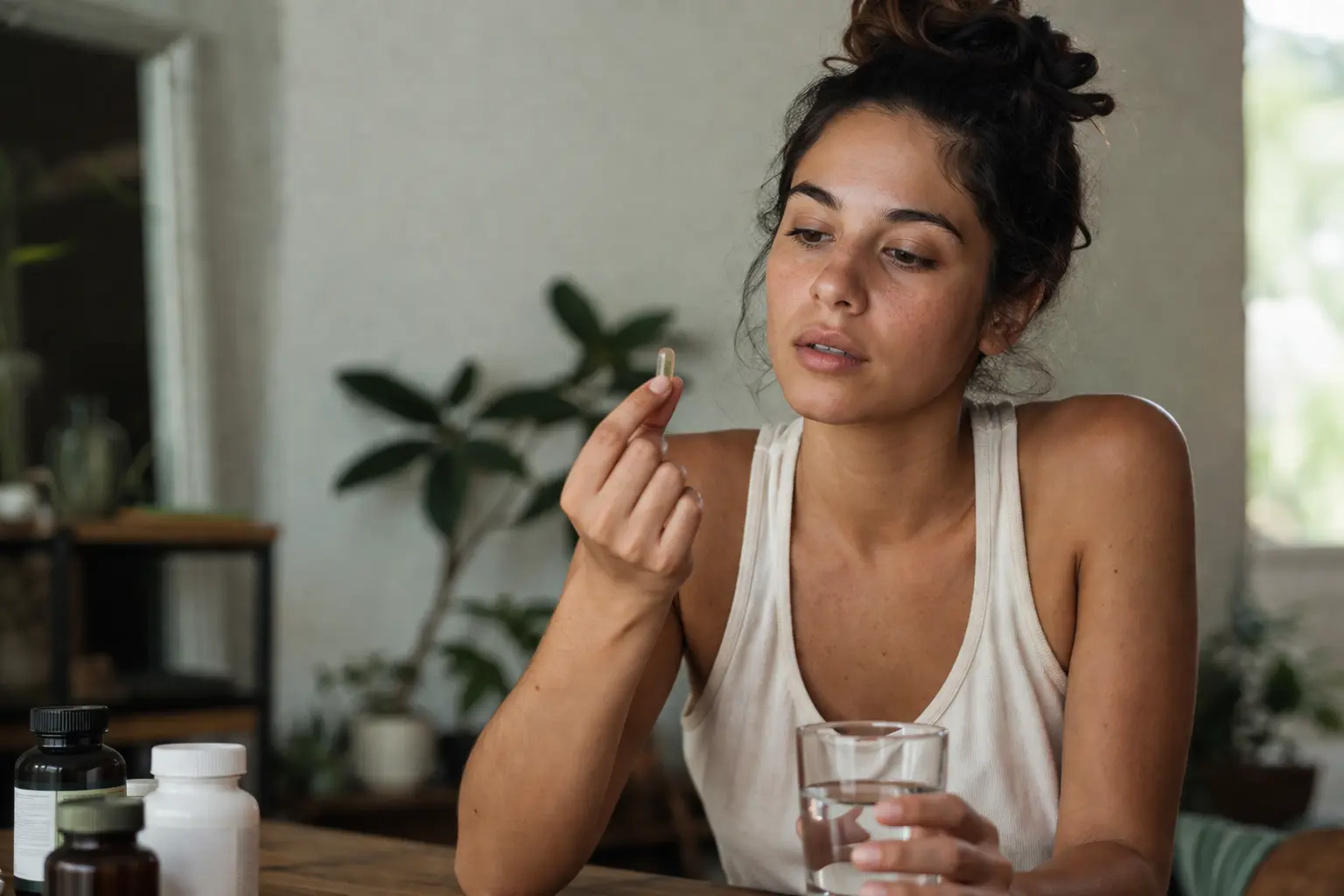
You’re noticing your energy dips faster, recovery takes longer, and your body just doesn’t bounce back like it used to, so here are the real tips for healthy aging that actually work without turning your life upside down.
Exercise regularly
Physical activity is your most powerful tool against the aging process, and the good news is you don’t need to become a gym enthusiast to see real results. Think of exercise as maintenance for your body, much like you’d service a car to keep it running smoothly. A woman in her 50s who starts with just three 30-minute walks per week often notices improved energy within weeks, better sleep at night, and clothes fitting differently. The key is consistency over intensity. Cardiovascular exercise strengthens your heart and improves circulation, which means more oxygen reaching your cells and skin. Strength training preserves muscle mass that naturally declines with age, keeping your metabolism active and your bones dense. Balance work prevents falls, which become increasingly risky as we age. Start where you are, whether that’s a beginner yoga class, dancing to music at home, or swimming. The woman who commits to moving her body regularly reports feeling stronger mentally and physically, with improved confidence in daily tasks like carrying groceries or playing with grandchildren.
- Include at least 150 minutes of moderate-intensity exercise per week.
- Incorporate weight-bearing routines to maintain bone density.
- Practice balance exercises to prevent falls and improve stability.
Eat a balanced diet
What you put on your plate directly influences how your skin looks, how your joints feel, and how your brain functions as you age. A balanced diet isn’t about restriction or trendy cleanses, it’s about nourishing your body with foods that fight inflammation and support cellular repair. Imagine a woman who shifted from processed snacks to whole foods, adding colorful vegetables, lean proteins, and healthy fats to each meal. Within months, she noticed clearer skin, steadier energy throughout the day, and fewer afternoon crashes. Antioxidants from berries and leafy greens protect your cells from damage. Omega-3 fatty acids from fish and nuts support brain health and reduce inflammation in joints. Whole grains provide sustained energy without blood sugar spikes. Lean proteins rebuild muscle and keep you feeling full. The practical approach is simple: fill half your plate with vegetables, add a palm-sized portion of protein, include whole grains, and finish with healthy fats like olive oil or avocado. This isn’t perfection, it’s progress. Most women find that when they focus on adding nutritious foods rather than cutting things out, sustainable change happens naturally.
📘 Fix your day in under 2 minuteschoose where to begin:
Prioritize sleep quality
Sleep is when your body repairs itself, consolidates memories, and resets your hormones, yet many women sacrifice sleep thinking they’re being productive. Poor sleep accelerates aging more visibly than almost anything else, showing up as dark circles, dull skin, and increased wrinkles. Consider the woman who committed to a consistent bedtime routine, dimming lights an hour before bed and putting her phone away. Her sleep improved dramatically, and within weeks she felt more alert, her mood stabilized, and her skin appeared fresher. Quality sleep means giving your body seven to nine hours in a cool, dark, quiet environment. Create a wind-down ritual that signals to your body it’s time to rest, whether that’s reading, gentle stretching, or journaling. Avoid caffeine after 2 p.m., as it lingers in your system longer as you age. Keep your bedroom temperature around 65-68 degrees Fahrenheit, which is ideal for sleep. Consistency matters more than perfection, so aim for the same bedtime and wake time even on weekends. When sleep becomes a priority rather than an afterthought, everything else in your health improves.
Stay socially connected
Loneliness ages you faster than smoking, yet it’s one of the most overlooked aspects of healthy aging. Social connection reduces stress hormones, boosts immunity, and gives your brain the stimulation it needs to stay sharp. A woman who felt isolated after a major life change started attending a weekly book club, and within months she reported feeling more energized, sleeping better, and having a renewed sense of purpose. Social interactions don’t have to be elaborate, they just need to be regular and genuine. Call a friend for a 20-minute chat, join a group activity that interests you, volunteer in your community, or simply have coffee with someone you enjoy. These moments of connection release oxytocin, the hormone that reduces stress and promotes well-being. Group fitness classes offer both exercise and social engagement. Online communities can work too if mobility is limited. The key is showing up consistently and engaging meaningfully. Women who maintain strong social bonds report better mental health, lower blood pressure, and even longer lifespans. Your relationships are not a luxury, they’re essential medicine.
Manage stress effectively
Chronic stress literally ages your cells by shortening telomeres, the protective caps on your DNA, so managing stress isn’t optional if you want to age well. Stress triggers inflammation throughout your body, accelerates skin aging, disrupts sleep, and weakens immunity. A woman who started a daily 10-minute meditation practice noticed her anxiety decreased, her skin cleared up, and her relationships improved because she was calmer and more present. Stress management looks different for everyone, so find what genuinely brings you peace. Mindfulness meditation, even just five minutes daily, rewires your nervous system toward calm. Deep breathing exercises activate your parasympathetic nervous system, the part that promotes relaxation. Hobbies and creative pursuits give your mind a break from worry and activate joy. Time in nature reduces cortisol levels measurably. Journaling helps process emotions and gain clarity. Setting boundaries protects your energy from being drained by others. Many women find that combining several techniques works best, like a morning walk in nature followed by journaling. The goal isn’t to eliminate stress, it’s to process it effectively so it doesn’t accumulate in your body and accelerate aging.
Regular exercise, a balanced diet, quality sleep, social connections, and stress management are key components for women to start aging better today.
How often should I exercise to promote healthy aging?
It is recommended to engage in at least 150 minutes of moderate-intensity exercise per week for optimal health benefits.
What are some effective stress management techniques for women?
Effective stress management techniques for women include mindfulness, relaxation exercises, engaging in hobbies, and seeking social support.
Others also read:
Disclaimer: This article is for informational purposes only and is not a substitute for professional medical advice. Always consult a healthcare professional for personal guidance.
This guide has been prepared and reviewed by the GlobalHealthBeacon editorial team and reflects current medical research as of 2026. It provides structured, evidence-based information to support informed health decisions.
