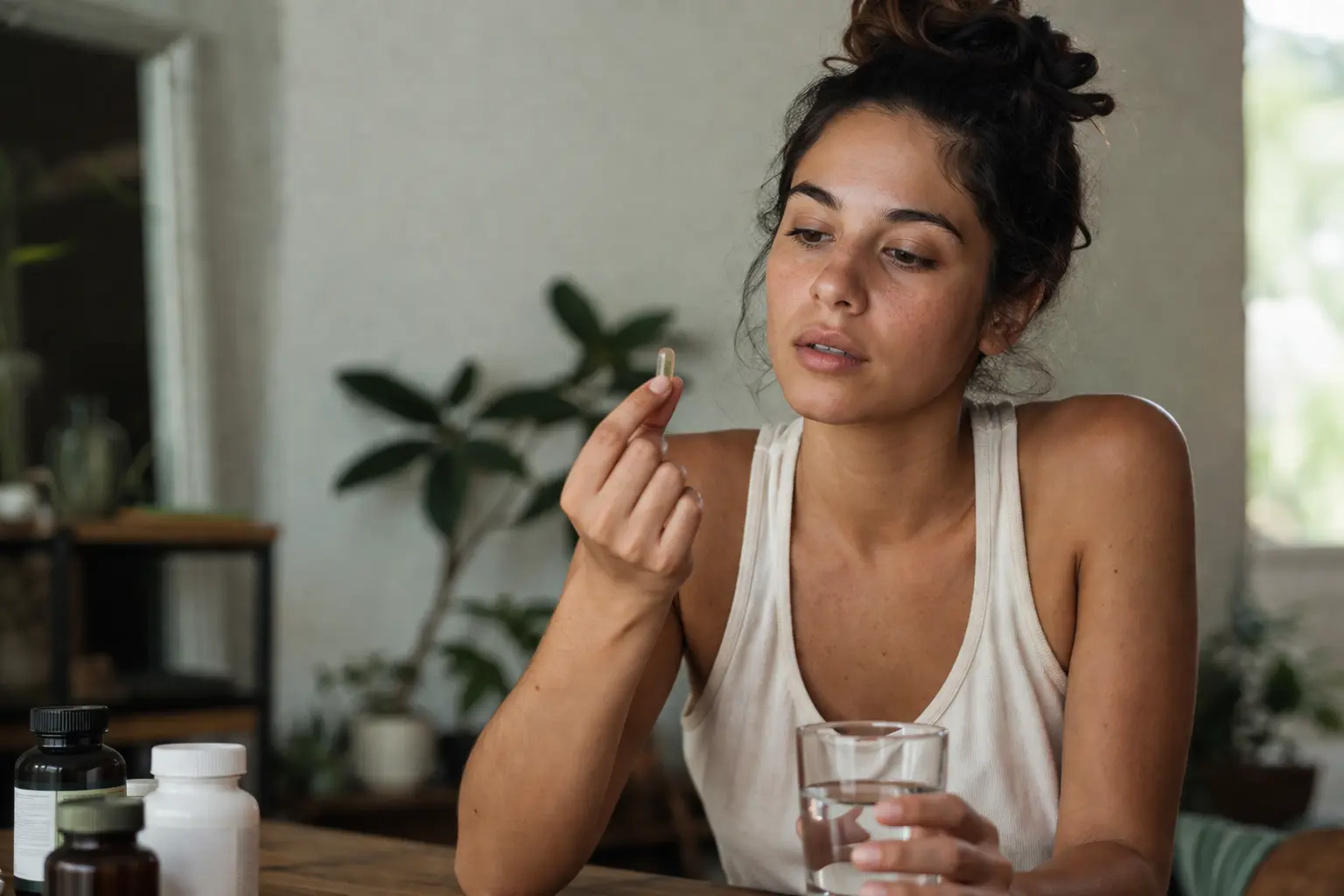
You’re tired of feeling stiff, exhausted, and watching your friends slow down year after year, but nobody’s giving you real tips for healthy aging that actually fit your life.
Exercise regularly
Movement is the difference between aging in place and aging with purpose. Think of exercise not as punishment but as maintenance for your body. A 68-year-old retired teacher might start with a 20-minute morning walk three times a week, then gradually add a gentle yoga class on Wednesdays. Within months, she notices climbing stairs feels easier and her knees hurt less. The key is starting where you are. A mix of aerobic activity like walking or swimming builds heart health, strength training twice weekly preserves muscle mass that naturally declines with age, and flexibility work like stretching or tai chi keeps you mobile and prevents falls. Many seniors make the mistake of doing too much too fast, which leads to injury and discouragement. Instead, increase your activity by about 10 percent each week. Work with a fitness trainer who understands aging bodies, not just general fitness. They can spot movement patterns that might cause problems down the road.
- Increase your activity gradually to prevent injuries.
- Include a mix of aerobic, strength, and flexibility exercises.
- Consult with a fitness professional to tailor a workout plan to your needs.
Eat a balanced diet
Food is medicine, and the choices you make at the grocery store ripple through your energy, mental clarity, and disease risk. Your body at 70 needs different fuel than it did at 40. Protein becomes more important to maintain muscle, so include eggs, fish, beans, or Greek yogurt at most meals. A practical example: instead of a bagel for breakfast, try two scrambled eggs with whole grain toast and berries. Your blood sugar stays stable, you feel full longer, and you get antioxidants from the fruit. Fill half your plate with vegetables and fruits, a quarter with lean protein, and a quarter with whole grains. Hydration matters more as you age because thirst signals weaken. Aim for six to eight glasses of water daily, more if you exercise. Common mistakes include relying on diet foods that taste like cardboard, skipping meals to save time, or eating the same thing repeatedly. Instead, explore new recipes, shop farmers markets for variety, and involve family in meal planning. Limit processed foods high in sodium and sugar, which contribute to high blood pressure and inflammation.
📘 Fix your day in under 2 minuteschoose where to begin:
Prioritize sleep and stress management
Sleep quality often declines with age, but poor sleep is not inevitable. A 72-year-old man struggling with insomnia started keeping a consistent bedtime of 10 p.m. and wake time of 6 a.m., even weekends. He stopped checking his phone an hour before bed and instead read a book in dim light. Within two weeks, he fell asleep faster and woke fewer times at night. Quality sleep rebuilds your immune system, consolidates memories, and regulates hormones that control appetite and mood. Create a bedroom environment that supports sleep: cool temperature around 65 to 68 degrees, blackout curtains, and minimal noise. Stress management is equally vital. Chronic stress elevates cortisol, which accelerates aging and weakens immunity. Meditation, even five minutes daily, calms your nervous system. Deep breathing exercises, where you breathe in for four counts and out for six, activate your parasympathetic nervous system. Some seniors find tai chi or gentle yoga combines both movement and stress relief. Avoid the trap of thinking you need hours of relaxation. Small, consistent practices work better than occasional spa days.
Stay socially connected
Loneliness is as harmful to health as smoking 15 cigarettes daily. Yet many seniors become isolated after retirement or losing a spouse. A widowed woman in her 70s joined a book club at her library, then a water aerobics class, and eventually volunteered at a local animal shelter. Within six months, her depression lifted, she had reasons to get out of bed, and she made genuine friendships. Social connection boosts immunity, lowers blood pressure, and reduces risk of dementia. It does not require large gatherings. A weekly phone call with a grandchild, a monthly lunch with an old friend, or a regular volunteer commitment all count. Join groups aligned with your interests: gardening clubs, faith communities, hobby groups, or classes at community centers. If mobility is limited, virtual connections through video calls or online groups still provide meaningful interaction. The common mistake is waiting for others to reach out. Take the first step. Invite someone for coffee. Attend that community event even if you feel nervous. Consistency matters more than intensity. Regular, predictable social contact is what your brain and body need to thrive.
Regular health screenings
Prevention is far easier than treatment. A man in his 60s discovered high cholesterol during a routine screening and started medication before any damage occurred. Another woman caught early-stage osteoporosis and began strength training and calcium supplementation, preventing fractures years later. Regular screenings are your early warning system. Blood pressure checks should happen at least annually, more often if you have hypertension. Cholesterol screening helps prevent heart disease and stroke. Bone density tests detect osteoporosis before breaks happen. Cancer screenings like colonoscopy, mammography, or prostate checks catch disease when treatment is most effective. Vision and hearing tests prevent falls and isolation caused by sensory loss. Dental checkups maintain oral health, which affects overall health more than most people realize. Work with your primary care doctor to create a screening schedule based on your age, gender, and family history. Do not skip appointments because you feel fine. Many serious conditions have no symptoms until advanced stages. Keep records of your results and ask your doctor to explain what the numbers mean. Understanding your health status empowers you to make informed decisions about lifestyle changes or treatments.
Engage in regular exercise with gradual progression, follow a balanced diet rich in whole foods, prioritize quality sleep and stress management through meditation or deep breathing, stay socially connected through regular interactions and community involvement, and attend routine health screenings to detect and manage age-related conditions early.
What are some simple exercises suitable for seniors?
Seniors can benefit from activities like walking, swimming, gentle yoga, and tai chi. These low-impact exercises help enhance flexibility, strength, and balance. Start with 20 to 30 minutes, three times weekly, and increase gradually as fitness improves.
How can social connections impact healthy aging?
Social connections play a crucial role in healthy aging by reducing feelings of isolation and loneliness, boosting mood, and providing a support system during challenging times. Regular social interaction also strengthens immunity and reduces risk of cognitive decline.
Others also read:
Disclaimer: This article is for informational purposes only and is not a substitute for professional medical advice. Always consult a healthcare professional for personal guidance.
This guide has been prepared and reviewed by the GlobalHealthBeacon editorial team and reflects current medical research as of 2026. It provides structured, evidence-based information to support informed health decisions.
