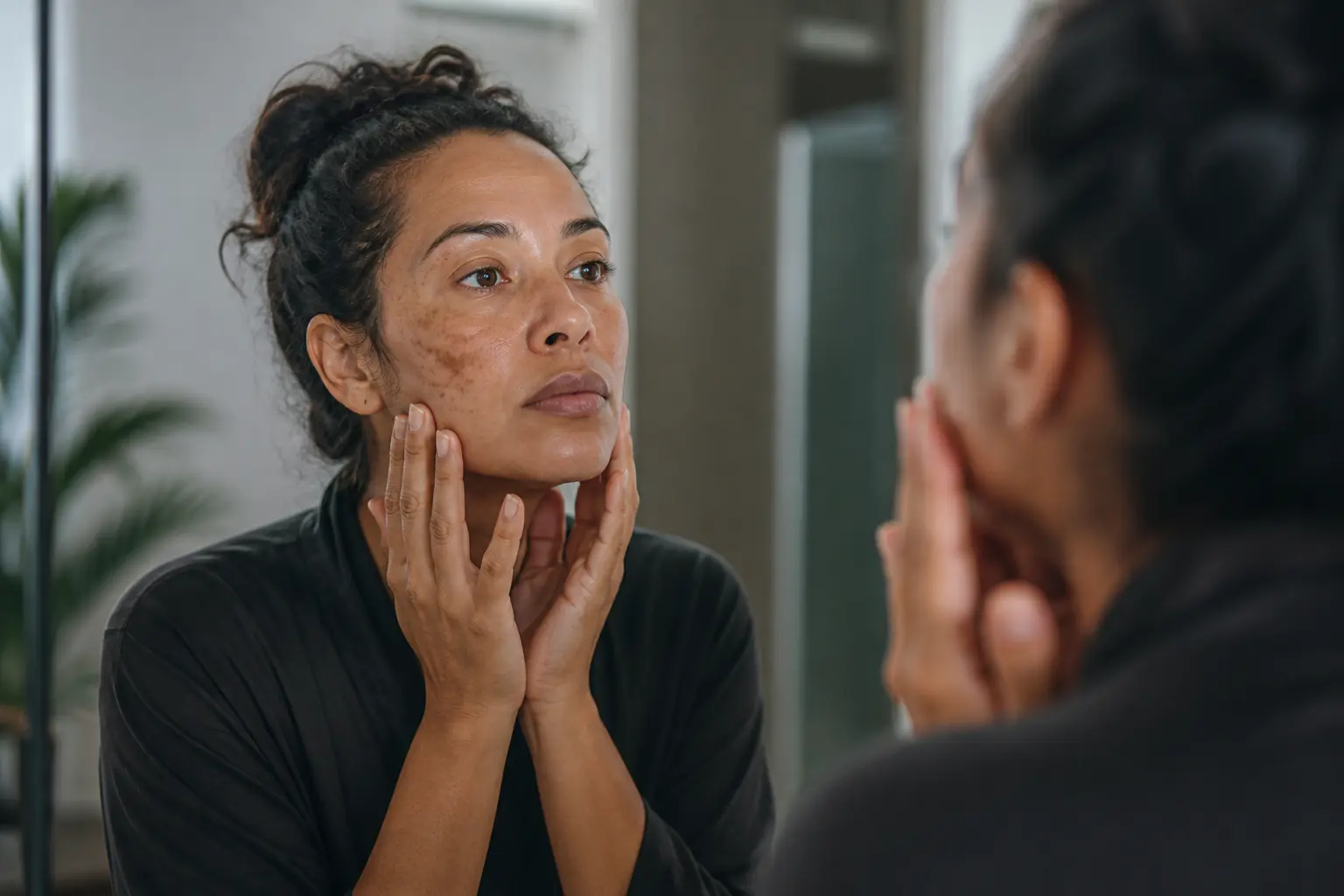
Dark patches creeping across your face, uneven skin tone that makeup can’t quite cover, that sinking feeling when you catch your reflection in harsh lighting – hyperpigmentation is frustrating, but you can treat hyperpigmentation without peels naturally using science-backed methods that actually work.
Understanding hyperpigmentation
Hyperpigmentation happens when your skin produces too much melanin, the pigment responsible for your skin color. Think of melanin as your skin’s natural sunscreen, but sometimes it goes into overdrive and concentrates in certain spots. This excess production creates those stubborn dark patches, age spots, or uneven discoloration you see in the mirror. The triggers are surprisingly common: prolonged sun exposure without protection, hormonal shifts during pregnancy or from birth control, inflammatory skin conditions like acne or eczema, or even minor injuries that leave dark marks as they heal. Young adults often experience post-inflammatory hyperpigmentation after aggressive acne treatments or picking at blemishes. Understanding what causes your specific hyperpigmentation is the first step toward addressing it effectively, because different triggers sometimes respond better to different approaches.
Natural remedies for hyperpigmentation
Several naturally-derived compounds have solid scientific backing for reducing hyperpigmentation. Vitamin C is a powerhouse antioxidant that not only brightens skin but also inhibits the enzyme tyrosinase, which melanin production depends on. Niacinamide, a form of vitamin B3, reduces inflammation and regulates sebum while gently suppressing melanin transfer to skin cells. Licorice extract contains glabridin, a compound that blocks melanin synthesis without the irritation of stronger actives. Kojic acid, derived from fungi, works similarly to hydroquinone but feels gentler on sensitive skin. Azelaic acid targets both the bacteria and melanin overproduction linked to post-inflammatory hyperpigmentation. The key is consistency: these ingredients work gradually by interrupting the biological pathway of pigment production and encouraging your skin to shed pigmented cells faster through increased cell turnover. Most people notice subtle improvements within 4 to 8 weeks of regular use, though deeper or older hyperpigmentation may take longer.
Effective skincare routine
Building a routine that addresses hyperpigmentation requires a layered approach. Start with a gentle cleanser that removes dirt and oil without stripping your skin barrier, because damaged skin produces more melanin as a protective response. Exfoliation accelerates the shedding of pigmented cells, but here’s where many people go wrong: they over-exfoliate and trigger inflammation, which makes hyperpigmentation worse. Two to three times weekly with a chemical exfoliant like AHA or BHA is ideal, not daily scrubbing. Your morning routine should feature a stabilized vitamin C serum applied to clean, slightly damp skin, followed by a lightweight moisturizer and broad-spectrum SPF 30 or higher. This prevents new hyperpigmentation from forming while brightening existing spots. In the evening, layer a niacinamide serum under your moisturizer to reduce inflammation and support your skin barrier overnight. The sunscreen step is non-negotiable: UV exposure darkens existing hyperpigmentation and creates new spots, essentially undoing all your other efforts. Think of it as the foundation that makes everything else work.
- Cleanse your skin with a gentle, pH-balanced cleanser twice daily to remove impurities without disrupting your skin barrier.
- Apply a stabilized vitamin C serum in the morning to brighten skin and inhibit melanin production.
- Use a chemical exfoliant containing AHA or BHA two to three times weekly to promote skin cell turnover and shed pigmented cells.
- Apply a niacinamide serum in the evening to reduce inflammation and regulate melanin transfer to the skin surface.
- Finish your morning routine with a broad-spectrum sunscreen SPF 30 or higher to prevent new hyperpigmentation and protect existing spots from darkening.
🔬 Science-backed benefits in 2 minuteschoose where to begin:
Diet and lifestyle changes
What you eat and how you live directly affects your skin’s ability to heal and regulate pigmentation. Antioxidant-rich foods like berries, leafy greens, nuts, and fatty fish contain compounds that reduce oxidative stress, which triggers melanin overproduction. Staying hydrated supports your skin barrier function and helps your body flush out inflammatory compounds more efficiently. Sleep is when your skin repairs itself most actively, so chronic sleep deprivation literally slows your skin’s ability to shed pigmented cells and regenerate. Stress elevates cortisol, which increases inflammation and can worsen hyperpigmentation, especially in people prone to hormonal breakouts. Young adults juggling work, school, and social life often underestimate how much stress impacts their skin. Even small changes like a 15-minute daily walk, meditation, or consistent sleep schedule can shift your skin’s trajectory. Some people also notice their hyperpigmentation improves when they reduce inflammatory foods like refined sugars and processed oils, though this varies individually.
Professional treatments
When natural remedies and skincare routines plateau, dermatological procedures offer more aggressive options. Laser therapy, particularly Q-switched lasers, targets melanin directly and breaks it into smaller particles your body can eliminate. Microneedling creates controlled micro-injuries that trigger collagen remodeling and accelerate skin cell turnover, helping pigmented cells shed faster. Chemical peels use acids to dissolve the outer layers of skin, but this article focuses on alternatives because peels carry higher irritation risks and downtime. Other options include intense pulsed light (IPL) therapy, which works similarly to lasers but covers larger areas, or topical prescription treatments like hydroquinone or tretinoin, which your dermatologist might recommend for stubborn cases. The choice depends on your skin type, the depth and age of your hyperpigmentation, and your tolerance for downtime. A consultation with a dermatologist helps determine whether your hyperpigmentation needs professional intervention or if consistent at-home care will suffice.
Preventive measures
Prevention is genuinely easier than treatment, so protecting your skin now saves you from dealing with hyperpigmentation later. Daily broad-spectrum sunscreen is the single most important preventive step because UV exposure is the leading cause of hyperpigmentation in young adults. Wearing hats, seeking shade during peak sun hours (10 AM to 4 PM), and using protective clothing when outdoors adds layers of defense. Avoid picking, squeezing, or aggressively treating acne because the inflammation and subsequent healing process often leaves dark marks. If you have acne, work with a dermatologist to treat it properly rather than DIY-ing it. Be cautious with new skincare products, especially those containing irritating ingredients, because inflammation from new products can trigger hyperpigmentation. If you’re considering hormonal birth control or other medications known to trigger melasma, discuss this risk with your doctor beforehand. Finally, choose skincare products suited to your skin type and concerns rather than following trends, because using the wrong products can inflame your skin and worsen pigmentation issues.
Hyperpigmentation stems from excess melanin production triggered by sun exposure, hormones, inflammation, or skin injury, but you have multiple pathways to address it. Natural remedies like vitamin C, niacinamide, licorice extract, and kojic acid work by interrupting melanin synthesis and accelerating cell turnover. A consistent skincare routine combining gentle cleansing, targeted actives, chemical exfoliation, and daily sunscreen creates the foundation for improvement. Supporting your skin through antioxidant-rich diet, adequate hydration, stress management, and sleep amplifies these efforts. When at-home care reaches its limits, professional treatments like laser therapy or microneedling offer deeper results. Most importantly, prevention through sun protection and avoiding inflammatory triggers stops new hyperpigmentation before it starts. Treating hyperpigmentation without peels is entirely possible with patience, consistency, and the right combination of science-backed strategies.
Are natural remedies effective for treating hyperpigmentation?
Yes, natural remedies like vitamin C, niacinamide, kojic acid, and licorice extract have scientific evidence supporting their ability to reduce hyperpigmentation. These compounds work by inhibiting tyrosinase and other enzymes involved in melanin production, while also promoting faster skin cell turnover. Results typically appear within 4 to 8 weeks of consistent use, though deeper or older hyperpigmentation may require longer treatment periods.
What are some lifestyle changes that can improve hyperpigmentation?
Maintaining a diet rich in antioxidants from fruits and vegetables, staying hydrated, getting 7 to 9 hours of quality sleep, managing stress through meditation or exercise, and practicing consistent sun protection all contribute to improving hyperpigmentation. Additionally, avoiding picking at skin and using appropriate skincare products for your skin type prevents inflammation-triggered pigmentation from developing.
Others also read:
Disclaimer: This article is for informational purposes only and is not a substitute for professional medical advice. Always consult a healthcare professional for personal guidance.
This article has been prepared and reviewed by the GlobalHealthBeacon editorial team and is based on current medical research and published scientific literature available in 2026. It provides structured, evidence-based information to support informed health decisions.
← Back to the Main page on: treat hyperpigmentation without peels
