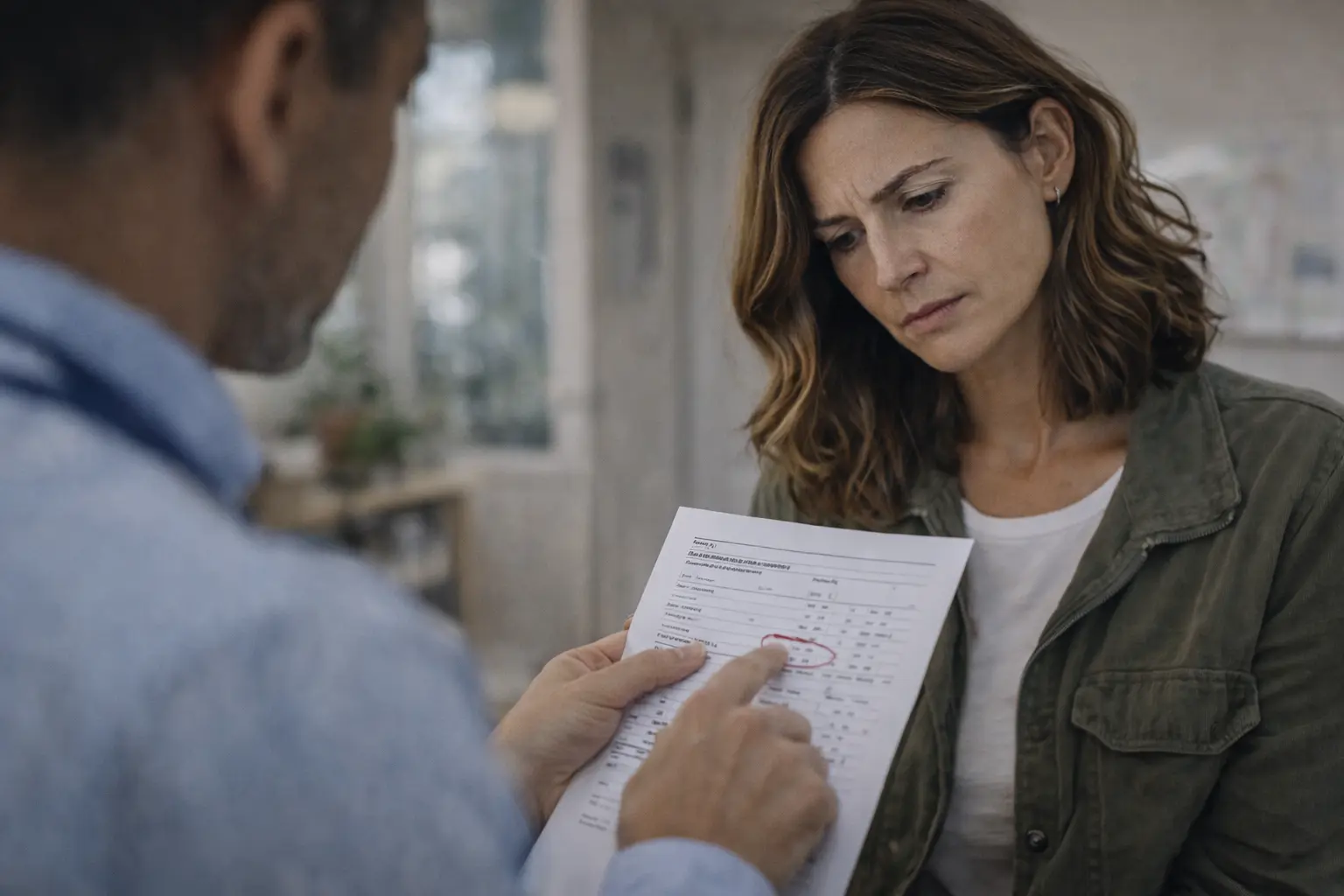
You wake up exhausted even after eight hours of sleep, your clothes feel tighter, and you can’t shake this foggy feeling in your head, so you finally ask your doctor what’s going on and they mention a TSH test explained as the first step to figuring out if your thyroid is the culprit.
Understanding TSH testing
Thyroid-stimulating hormone, or TSH, is a messenger hormone produced by your pituitary gland that tells your thyroid how much thyroid hormone to make and release into your bloodstream. Think of it like a thermostat in your home, constantly adjusting to keep things at the right temperature. A TSH test measures the level of this hormone in your blood, giving your doctor a window into whether your thyroid is working as it should. For seniors, this simple blood test becomes increasingly valuable because thyroid function naturally changes with age. The test can reveal if your thyroid is sluggish (hypothyroidism), overactive (hyperthyroidism), or functioning normally. Your healthcare provider uses TSH results to diagnose thyroid disorders, monitor medication effectiveness if you’re already being treated, and catch problems early before they affect your quality of life. Understanding what TSH does helps you appreciate why your doctor might recommend this test, especially if you’re experiencing unexplained fatigue, weight changes, or mood shifts.
- Helps diagnose thyroid disorders like hypothyroidism or hyperthyroidism.
- Provides information on whether your thyroid medication needs adjusting.
- Aids in monitoring thyroid health during cancer treatment.
Preparing for a TSH test
Getting ready for a TSH test is straightforward, which is one reason many seniors appreciate this screening. Unlike some blood tests, you don’t need to fast beforehand, so you can eat and drink normally the morning of your appointment. However, there are a few practical steps to take. First, make a list of all medications and supplements you’re currently taking, including over-the-counter vitamins, because some can affect TSH levels. Biotin supplements, for example, can interfere with results, as can certain medications like corticosteroids. Inform your doctor about these before the test. Wear loose, comfortable clothing that allows easy access to your arm, and stay hydrated the day before. If you’re nervous about needles, let the phlebotomist know, and they can help you feel more at ease. Timing matters too, so schedule your test in the morning when TSH levels are typically more stable. These small preparations ensure your results are accurate and reflective of your true thyroid status.
📘 Fix your day in under 2 minuteschoose where to begin:
Interpreting TSH test results
Once your TSH test comes back, your doctor will review the numbers with you, but understanding what they mean requires some context. TSH levels are measured in milliunits per liter (mIU/L), and the normal range typically falls between 0.4 and 4.0 mIU/L, though this can vary slightly between laboratories. If your TSH is elevated above the normal range, it often signals that your thyroid isn’t producing enough hormone, a condition called hypothyroidism. Conversely, a TSH below the normal range may indicate hyperthyroidism, where your thyroid is overproducing. However, results aren’t always black and white. Some seniors fall into a gray zone called subclinical hypothyroidism, where TSH is slightly elevated but thyroid hormones are still normal. Your doctor considers your age, symptoms, medical history, and other test results (like free T4 levels) before making a diagnosis. Don’t panic if your numbers are outside the range, because many treatable conditions cause abnormal TSH. Your healthcare provider will explain what your specific results mean for your health and discuss next steps.
Importance of regular TSH monitoring
For seniors, regular TSH monitoring isn’t just recommended, it’s essential because thyroid problems become significantly more common after age 60. Women especially face increased risk, with studies showing that roughly one in eight women over 65 develop thyroid dysfunction. If you’ve already been diagnosed with a thyroid condition and are taking medication, annual TSH testing ensures your dose remains appropriate as your body changes with age. Your metabolism slows, your body composition shifts, and your medication needs may adjust accordingly. Even if you don’t have a known thyroid problem, screening every five years or as your doctor recommends can catch early dysfunction before it impacts your energy, mood, weight, and overall quality of life. Early detection means early treatment, which prevents complications like heart problems, bone loss, and cognitive decline that untreated thyroid disease can cause. Think of regular TSH testing as preventive maintenance for your body, similar to checking your blood pressure or cholesterol. Staying proactive about thyroid health helps you maintain independence and vitality in your senior years.
Consulting your healthcare provider
If you’re experiencing symptoms that concern you, scheduling a conversation with your doctor about TSH testing is the right move. Common signs that warrant testing include persistent fatigue that doesn’t improve with rest, unexplained weight gain or loss, changes in mood or memory, hair loss, dry skin, constipation, or feeling unusually cold. Don’t minimize these symptoms as just part of aging, because many are actually treatable thyroid-related issues. When you see your doctor, describe your symptoms clearly and mention how long you’ve noticed them. Ask directly if a TSH test makes sense for your situation. If you’re already on thyroid medication, discuss whether you’re feeling well on your current dose and whether it’s time to recheck your levels. Your healthcare provider can also explain your family history’s role, since thyroid disease often runs in families. They’ll guide you on testing frequency, help you understand results, and discuss treatment options if needed. Building this partnership with your doctor ensures you’re not just getting tested, but actively managing your thyroid health with professional support.
TSH testing is a valuable tool to assess thyroid function and detect thyroid disorders. By understanding the test, preparing appropriately, and interpreting the results, seniors can proactively monitor their thyroid health with the help of healthcare providers.
Are TSH tests painful?
TSH tests are simple blood tests that involve a quick needle prick, causing minimal discomfort. Most seniors find them to be painless.
How often should seniors have TSH tests?
Seniors with thyroid issues or risk factors should have TSH tests at least annually. Your doctor will recommend the appropriate frequency based on your health status.
Others also read:
Disclaimer: This article is for informational purposes only and is not a substitute for professional medical advice. Always consult a healthcare professional for personal guidance.
This guide has been prepared and reviewed by the GlobalHealthBeacon editorial team and reflects current medical research as of 2026. It provides structured, evidence-based information to support informed health decisions.
