You catch your reflection and wince at those stubborn stains that won’t budge, or maybe a chipped tooth has been stealing your confidence for years, and now you’re wondering if veneers pros and cons actually make sense for someone in your shoes.
The appeal of veneers
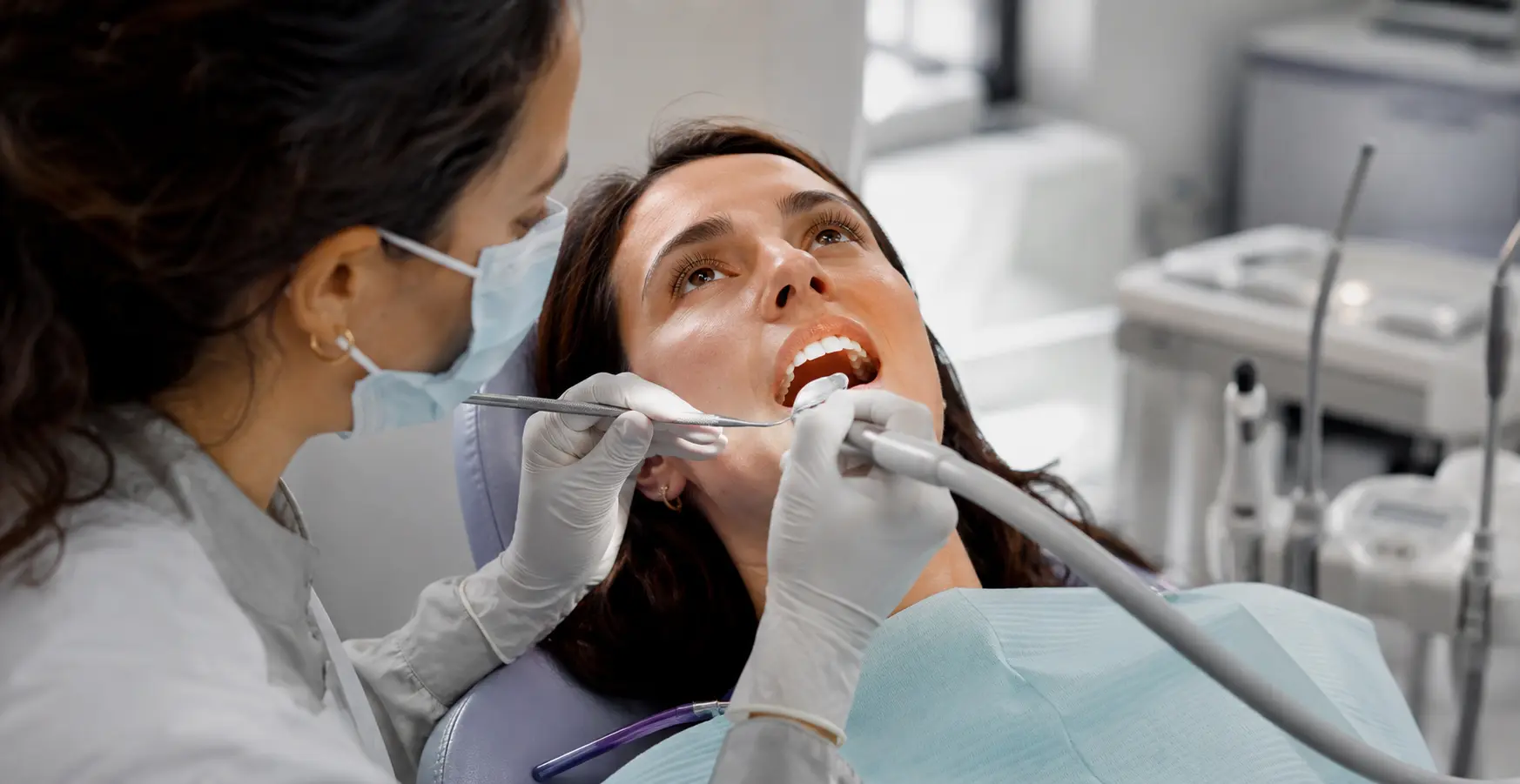
Picture this: Margaret, a 68-year-old retired teacher, spent decades hiding her smile in photos because of deep coffee stains and slight chips from years of living. After getting veneers, she felt like she’d stepped into a new chapter. Veneers work by covering the front surface of your teeth with thin, custom-made shells that instantly mask discoloration, chips, and irregular spacing. For many seniors, the appeal goes beyond aesthetics. It’s about reclaiming confidence at a stage in life when you thought those days were behind you. The procedure itself is relatively straightforward compared to other dental work. Your dentist removes a small amount of enamel, takes impressions, and bonds the veneers in place. Most people report minimal discomfort during the process. What makes veneers particularly attractive for seniors is the speed of transformation. Unlike whitening treatments that take weeks or orthodontics that take years, veneers deliver results in just a couple of appointments. That quick turnaround can be genuinely life-changing when you’ve been self-conscious about your smile for decades.
- Instantly improves the appearance of teeth.
- Minimally invasive procedure with little to no discomfort.
- Durable and resistant to stains.
Potential drawbacks
But here’s where the veneers pros and cons conversation gets real. Robert, a 72-year-old who got veneers last year, didn’t expect how sensitive his teeth would become to hot coffee and cold ice cream. This sensitivity happens because the enamel removal exposes the underlying dentin, which is more porous and reactive. Some seniors also worry about durability. While veneers can last 10 to 15 years with good care, they’re not indestructible. Biting down on hard candy, ice, or using your teeth to open packages can chip or crack them. There’s also the reality that veneers are irreversible. Once your natural enamel is removed, you’ll always need a restoration in that spot. Some people find this commitment daunting. Additionally, if your gums recede over time, which is common as we age, you might see a dark line where the veneer meets your tooth. It’s not a deal-breaker for most, but it’s worth knowing upfront so you can make an informed decision about whether this path is right for you.
💬 Ready to feel better in 2 minutes?choose where to begin:
Cost considerations
Let’s talk money, because for most seniors, budget matters. Veneers typically cost between 800 and 2,500 per tooth, depending on your location and dentist. For a full smile makeover of six to eight teeth, you’re looking at 5,000 to 20,000. That’s significant. Helen, a 70-year-old on a fixed income, spent months saving and exploring payment plans before committing. She ultimately decided that the confidence boost was worth the investment, especially since she planned to enjoy her retirement traveling and spending time with grandchildren. Many dental offices offer financing options or payment plans that break the cost into manageable monthly payments. Some seniors also check whether their dental insurance covers any portion, though cosmetic veneers are often not covered. The key is viewing veneers not just as a cosmetic expense, but as an investment in your quality of life during your senior years. When you factor in the longevity and the daily confidence boost, many people find the cost justified.
Maintenance and longevity
Once you’ve made the investment, keeping your veneers in top shape becomes your responsibility. This doesn’t mean complicated routines, but consistency matters. Brush twice daily with a non-abrasive toothpaste, floss daily, and avoid hard foods and aggressive brushing. Think of it like maintaining a nice car: regular upkeep prevents expensive repairs down the road. Frank, a 75-year-old with veneers for eight years, swears by visiting his dentist every six months instead of the typical once yearly. He’s had zero issues with his veneers because he treats them with care. Avoid chewing on pens, ice, or hard nuts. Be mindful when eating crunchy vegetables or hard fruits. If you grind your teeth at night, ask your dentist about a night guard to protect your veneers while you sleep. With these habits in place, most people enjoy their veneers for well over a decade. The maintenance is straightforward enough that it becomes second nature, and the payoff in terms of a beautiful, confident smile makes it worthwhile.
Veneers offer seniors a genuine chance to enhance their smiles and boost their self-esteem at a stage in life when confidence matters more than ever. Despite some drawbacks like sensitivity and costs, the appeal of veneers lies in their ability to transform the appearance of teeth quickly and effectively, providing lasting satisfaction for those willing to commit to proper care.
Are veneers a permanent solution?
Veneers are considered a long-term solution that can last 10 to 15 years with proper care. However, they may require replacement over time as the bonding material can weaken or the veneers themselves may chip or crack.
Can I eat normally with veneers?
Seniors can enjoy most foods with veneers, but they should avoid excessively hard or sticky foods that could damage the veneers. This means being mindful with nuts, hard candy, ice, and even some crunchy vegetables.
Others also read:
Disclaimer: This article is for informational purposes only and is not a substitute for professional medical advice. Always consult a healthcare professional for personal guidance.
This article presents an experience-based perspective and has been reviewed by the GlobalHealthBeacon editorial team in 2026. It provides structured, evidence-based information to support informed health decisions.
