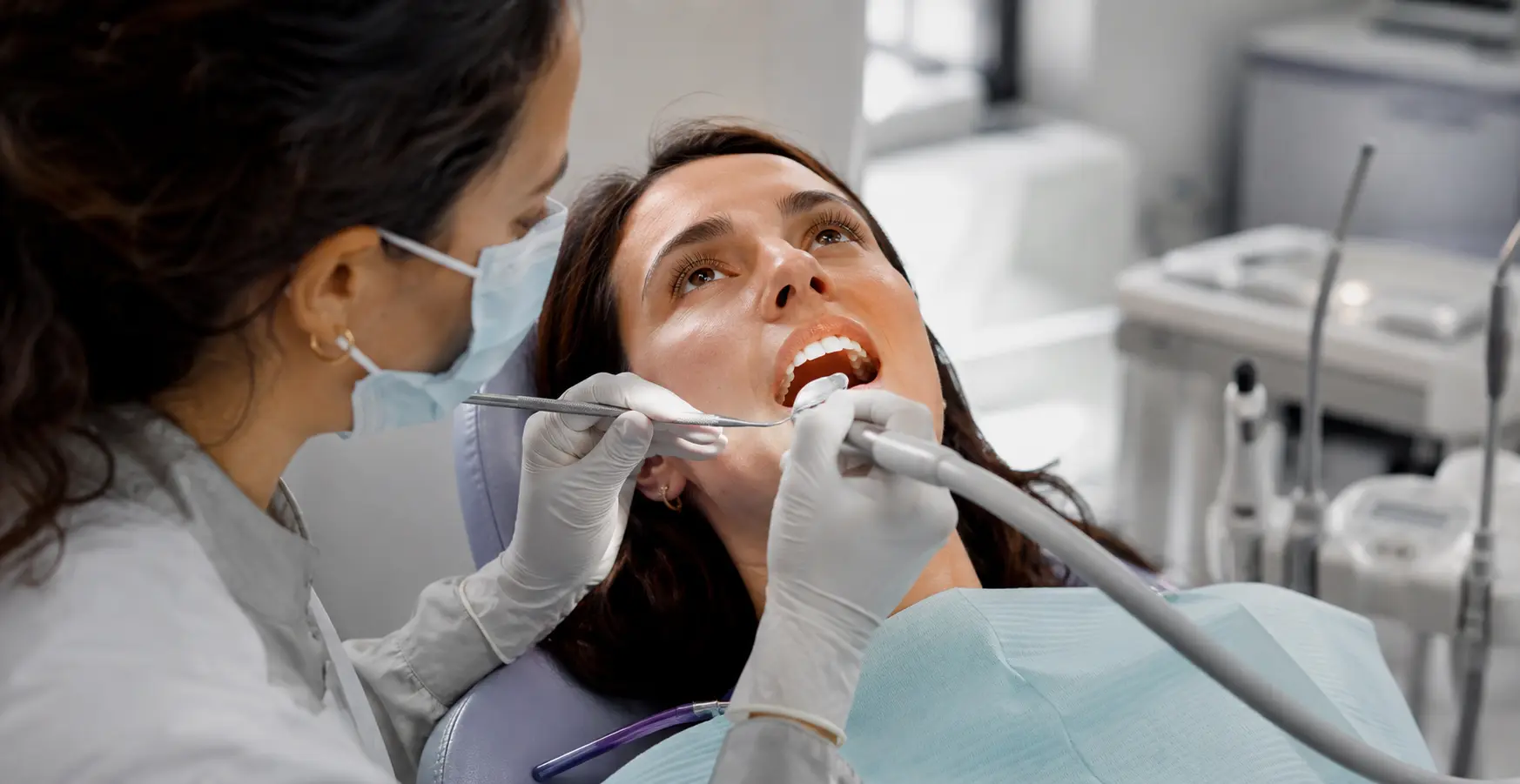
Tired of hiding your smile behind closed lips or feeling self-conscious every time someone takes a photo? Veneers might be the answer, but before you commit to this permanent transformation, you need to understand the real veneers pros and cons so you can actually make a decision you won’t regret.
Understanding veneers: what are they?
Veneers are thin, customized shells made of porcelain or resin that are bonded to the front of your teeth. Think of them like a custom-fitted cover for the visible part of your tooth. The process involves your dentist removing a small amount of tooth enamel, then attaching the veneer with a special adhesive. They can improve the appearance of discolored, misaligned, or chipped teeth, giving you a brighter and more uniform smile. For example, if you have a tooth that’s slightly yellowed or has a small chip from a sports injury, a veneer can completely transform it in just a couple of appointments. Porcelain veneers tend to be more durable and stain-resistant, while resin veneers are less expensive but require more maintenance. Young adults often choose veneers when they want a quick fix without committing to years of orthodontic treatment.
- Custom-made for a perfect fit
- Resistant to stains
- Natural-looking results
Pros of veneers
Veneers can provide a quick and effective solution to various dental issues. They are durable, stain-resistant, and can enhance the aesthetics of your smile in as little as two to three appointments. With proper care, porcelain veneers can last 10 to 15 years, boosting your confidence and self-esteem. Consider Sarah, a 26-year-old who had always felt insecure about a gap between her front teeth and some discoloration from years of coffee drinking. After getting veneers, she reported feeling more confident in professional settings and social situations. Veneers also don’t require the lengthy treatment timelines of braces or aligners, making them attractive for young adults who want immediate results. They’re also highly customizable in terms of shade, shape, and size, so you can achieve the exact smile you’ve always wanted rather than being limited by your natural tooth structure.
📘 Fix your day in under 2 minuteschoose where to begin:
Cons of veneers
While veneers offer numerous benefits, there are significant drawbacks to consider before committing. Veneers are irreversible, as tooth enamel needs to be removed during the process, and once that enamel is gone, it doesn’t grow back. This means you’re locked into veneer maintenance for life. They can also be costly, typically ranging from 800 to 2,500 dollars per tooth, which adds up quickly if you’re doing multiple teeth. Maintenance is crucial to ensure their longevity, and you’ll need to avoid certain habits like biting your nails, chewing ice, or opening packages with your teeth. Additionally, veneers can sometimes chip or crack, requiring replacement. A common mistake young adults make is underestimating the long-term financial commitment or not realizing that veneers may eventually need replacement, which means additional costs down the road.
Are veneers right for you?
Before opting for veneers, consult with a dental professional to assess your oral health and discuss your goals. Your dentist will examine your teeth, gums, and bite to ensure you’re a good candidate. Consider the permanence of the procedure, the financial investment required, and your commitment to maintaining your veneers through proper care. Think about whether you have underlying dental issues like gum disease or significant tooth decay that should be addressed first. Ask yourself if you’re choosing veneers for the right reasons, such as personal confidence, rather than external pressure or comparison to others. A helpful step is to look at before-and-after photos of veneer work to set realistic expectations. You might also discuss alternative options with your dentist, such as professional teeth whitening, bonding, or orthodontics, to see if a less permanent solution could meet your needs.
Caring for your veneers
To prolong the lifespan of your veneers, practice good oral hygiene by brushing twice daily with a non-abrasive toothpaste and flossing every day. Avoid habits like biting your nails, chewing on hard objects like ice or hard candy, or using your teeth to open things. These behaviors can cause chips or cracks that require expensive repairs. Schedule regular dental check-ups every six months so your dentist can monitor the condition of your veneers and catch any issues early. Be mindful of foods and drinks that can stain veneers, though porcelain veneers are much more resistant than resin. If you grind your teeth at night, ask your dentist about a night guard to protect your veneers from damage. Think of veneer care as a long-term commitment, similar to maintaining a car, where small preventive steps save you from costly repairs later.
Veneers offer a solution for transforming your smile, but they come with both benefits and considerations. Understanding the veneers pros and cons, consulting with a dentist, and committing to proper maintenance are key to achieving a successful veneer experience. Take time to evaluate whether veneers align with your goals, budget, and lifestyle before moving forward.
How long do veneers typically last?
Veneers can last 10 to 15 years on average, but their longevity depends on proper care and maintenance. Regular dental check-ups and good oral hygiene can help extend the lifespan of your veneers. Porcelain veneers tend to last longer than resin veneers, which may need replacement sooner.
Do veneers feel natural to wear?
Veneers are custom-made to fit your teeth and are designed to feel comfortable and natural. With advancements in dental technology, veneers can provide a seamless and aesthetic enhancement to your smile. Most people adjust to the feel within a few days to a week.
Disclaimer: This article is for informational purposes only and is not a substitute for professional medical advice. Always consult a healthcare professional for personal guidance.
This guide has been prepared and reviewed by the GlobalHealthBeacon editorial team and reflects current medical research as of 2026. It provides structured, evidence-based information to support informed health decisions.
