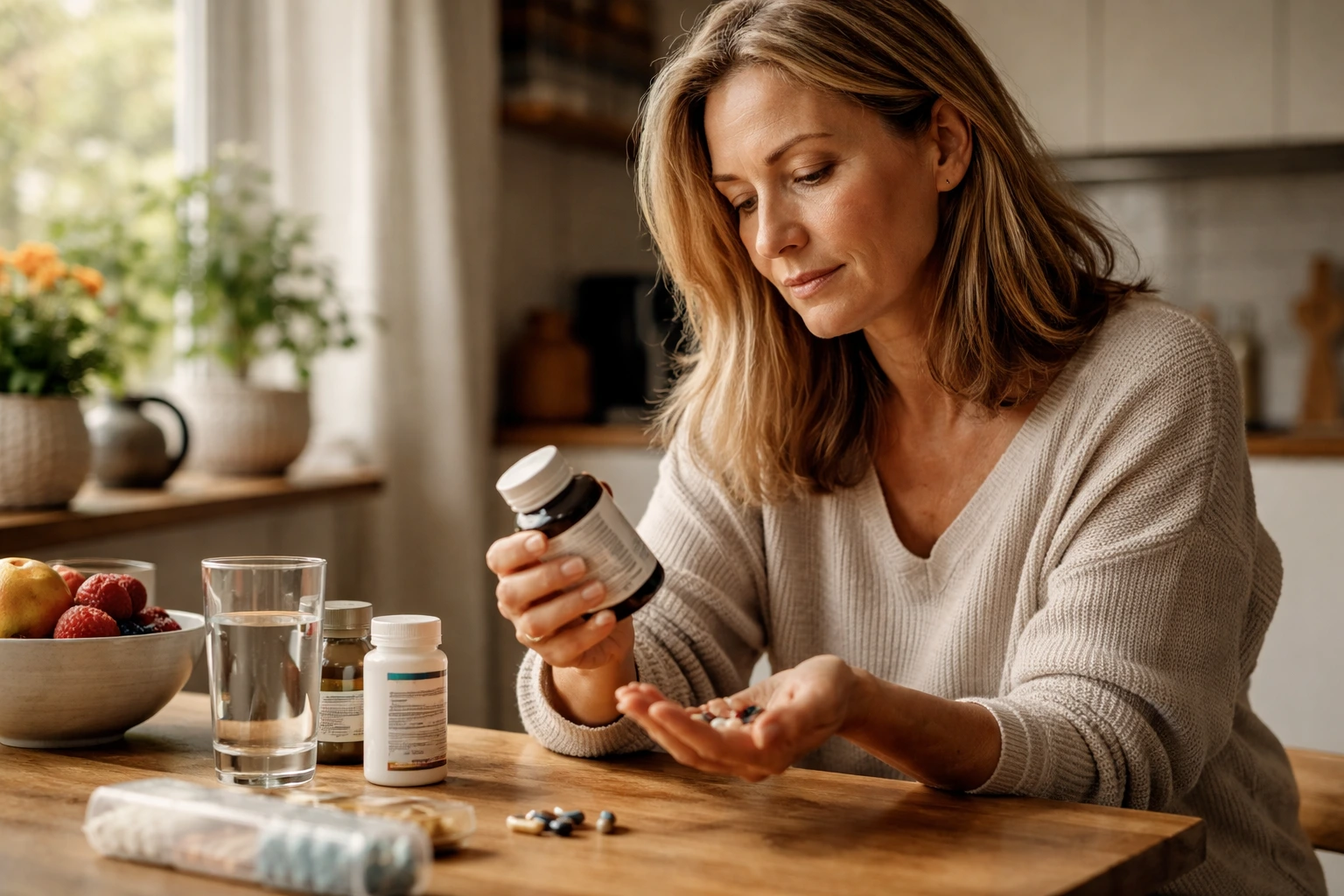
If you’re waking up drenched in sweat at 3 AM, snapping at loved ones over nothing, and feeling like your body has become a stranger, you’re not alone, and vitamins for perimenopause might be exactly what you need to understand what’s happening and take back control.
Vitamin D: the sunshine hormone
Vitamin D operates as far more than just a nutrient for bone strength. During perimenopause, this fat-soluble vitamin functions as a regulatory hormone, influencing mood pathways and calcium absorption simultaneously. Consider Margaret, a 52-year-old who noticed her afternoon mood crashes coincided with winter months when sunlight exposure dropped. Research indicates that vitamin D receptors exist throughout the brain, particularly in regions governing mood and emotional regulation. As estrogen levels fluctuate during perimenopause, vitamin D becomes increasingly important for maintaining serotonin production. Women with adequate vitamin D levels report fewer depressive episodes and better emotional stability during this transition. The hormone also supports bone mineral density, which naturally declines as estrogen decreases. Many seniors overlook that vitamin D deficiency can amplify both hot flashes and mood disturbances, creating a compounding effect that makes daily life feel overwhelming.
Vitamin B complex: hormonal balance support
The B vitamin family, particularly B6, B12, and folate, work together as metabolic cofactors that directly influence estrogen metabolism and neurotransmitter synthesis. B6 specifically participates in the conversion of tryptophan to serotonin, the neurotransmitter responsible for mood stability. During perimenopause, when hormonal fluctuations create erratic neurotransmitter patterns, adequate B vitamins help stabilize these chemical messengers. B12 supports myelin formation around nerve fibers, which explains why many women report brain fog and cognitive sluggishness when B12 levels drop. Folate works synergistically with B12 to regulate homocysteine levels, an amino acid that rises during perimenopause and can affect cardiovascular health. A common mistake seniors make is assuming they absorb B12 adequately from food alone, yet stomach acid production decreases with age, reducing natural absorption. Women who incorporate B-rich foods like leafy greens, whole grains, and lean proteins often report improved energy and sharper mental clarity within weeks.
Vitamin E: hot flash relief
Vitamin E functions as a potent antioxidant and anti-inflammatory compound that addresses the vascular instability underlying hot flashes. During perimenopause, fluctuating estrogen levels disrupt the hypothalamus, the brain region controlling temperature regulation, causing sudden vasodilation and the characteristic flushing sensation. Multiple clinical observations suggest that vitamin E reduces hot flash frequency by approximately 20 to 30 percent in some women, though individual responses vary considerably. The mechanism involves vitamin E’s ability to stabilize blood vessel walls and reduce inflammatory markers that amplify temperature dysregulation. Thomas, a 55-year-old woman, reported that after three months of consistent vitamin E supplementation, her nighttime hot flashes decreased from eight to three episodes nightly, dramatically improving her sleep quality. Vitamin E also protects cellular membranes from oxidative stress, which intensifies during hormonal transitions. A critical mistake is taking excessive vitamin E without medical guidance, as high doses can interact with blood-thinning medications. Working with a healthcare provider ensures safe dosing tailored to individual health profiles.
- Include vitamin D-rich foods like fatty fish and fortified dairy products in your diet.
- Incorporate vitamin B sources such as leafy greens, whole grains, and lean meats into your meals.
- Consider a vitamin E supplement after consulting with your healthcare provider.
🔬 Science-backed benefits in 2 minuteschoose where to begin:
Omega-3 fatty acids: brain health support
Omega-3 polyunsaturated fatty acids, particularly EPA and DHA, form structural components of neuronal membranes and regulate inflammatory pathways throughout the central nervous system. During perimenopause, cognitive changes and mood instability often stem from inflammation triggered by hormonal shifts. Omega-3s actively suppress pro-inflammatory cytokines that amplify these symptoms. Research demonstrates that women consuming adequate omega-3s report improved memory retention, sharper focus, and more stable emotional responses during perimenopause. DHA specifically supports dopamine and serotonin receptor function, neurotransmitters critical for motivation and emotional well-being. Beyond brain health, omega-3s reduce triglycerides and support cardiovascular function, addressing the increased heart disease risk that emerges after menopause. A practical approach involves consuming fatty fish like salmon or sardines twice weekly, or incorporating flaxseeds and walnuts into daily meals. Many seniors underestimate how profoundly omega-3 intake affects cognitive clarity and emotional resilience, often attributing mental fog to aging rather than nutritional insufficiency.
Magnesium: muscle relaxation and sleep improvement
Magnesium participates in over 300 enzymatic reactions, including those governing muscle contraction, nervous system signaling, and sleep-wake cycle regulation. During perimenopause, magnesium depletion accelerates due to increased cortisol production from hormonal stress, creating a cascade of muscle tension and insomnia. Women often experience nocturnal leg cramps, jaw clenching, and shoulder tension that magnesium deficiency exacerbates. This mineral activates GABA receptors in the brain, the same receptors targeted by anti-anxiety medications, naturally promoting relaxation without pharmaceutical side effects. Consider Eleanor, a 54-year-old who suffered nightly leg cramps that disrupted her sleep for months. After increasing magnesium intake through pumpkin seeds, almonds, and dark leafy greens, her cramps resolved within two weeks. Magnesium also regulates melatonin production, the hormone controlling sleep onset. A common oversight is consuming magnesium-rich foods without adequate stomach acid for absorption, a particular concern for seniors taking acid-reducing medications. Timing magnesium intake in the evening maximizes its relaxation benefits and supports deeper, more restorative sleep cycles.
Zinc: immune system boost
Zinc functions as a critical cofactor for immune cell development, particularly T-lymphocytes that orchestrate adaptive immune responses. During perimenopause, declining estrogen levels reduce zinc absorption and increase zinc excretion, weakening immune surveillance at a time when vulnerability to infections increases. Zinc deficiency manifests as slower wound healing, recurrent infections, and diminished immune memory. This mineral also supports thyroid hormone metabolism, relevant since thyroid dysfunction frequently accompanies perimenopause and amplifies fatigue and temperature dysregulation. Women with adequate zinc levels demonstrate faster recovery from colds and respiratory infections, reducing the cascade of complications that can derail health during this vulnerable transition. Zinc participates in collagen synthesis, supporting skin integrity and wound healing, concerns many seniors prioritize. A practical consideration involves consuming zinc-rich foods like oysters, beef, pumpkin seeds, and chickpeas regularly. A critical mistake is exceeding recommended zinc intake, as excessive supplementation impairs copper absorption and paradoxically weakens immune function. Balanced, consistent intake through food sources or modest supplementation under healthcare guidance provides optimal immune support without adverse effects.
Key vitamins like D, B complex, E, Omega-3s, magnesium, and zinc offer significant benefits during perimenopause, addressing various symptoms and supporting overall health.
Can vitamins alone alleviate perimenopausal symptoms?
While vitamins can help manage symptoms, they are most effective when combined with a balanced diet, regular exercise, and other lifestyle interventions.
Are there any risks associated with taking vitamins during perimenopause?
It is essential to consult with a healthcare provider before starting any new supplement regimen to ensure safety and avoid potential interactions with medications or existing conditions.
Disclaimer: This article is for informational purposes only and is not a substitute for professional medical advice. Always consult a healthcare professional for personal guidance.
This article has been prepared and reviewed by the GlobalHealthBeacon editorial team and is based on current medical research and published scientific literature available in 2026. It provides structured, evidence-based information to support informed health decisions.
