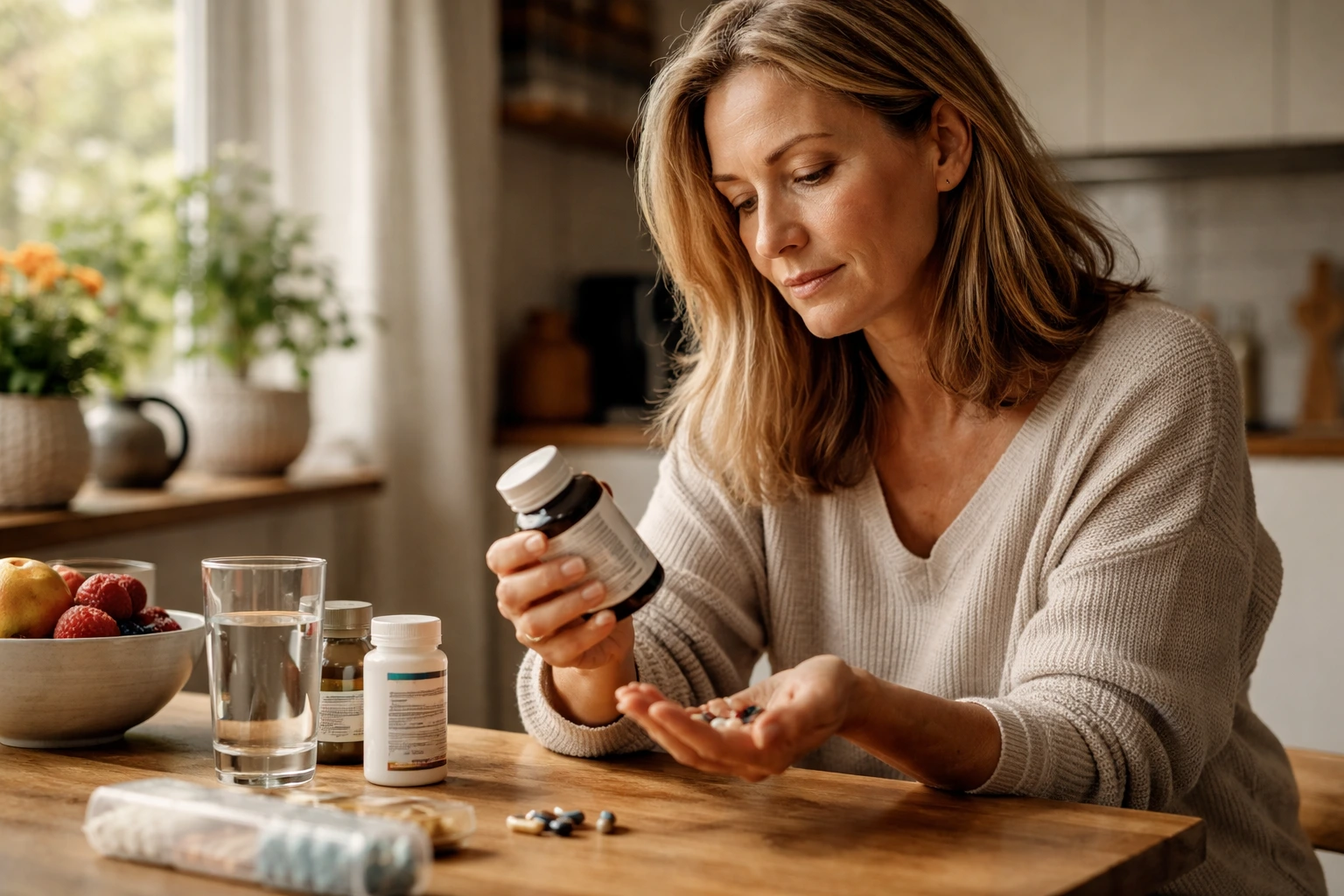
Hot flashes at 2 AM, mood swings that make you unrecognizable, and bone density that seems to vanish overnight – perimenopause is real, and vitamins for perimenopause might be the natural support your body is actually asking for.
Understanding perimenopause
Perimenopause marks the transition before menopause when hormone levels fluctuate unpredictably, often lasting anywhere from four to ten years. During this phase, your body gradually produces less estrogen and progesterone, triggering a cascade of changes that can feel overwhelming. You might experience hot flashes that drench you in sweat, night sweats that disrupt your sleep for months, mood swings that confuse even you, and irregular periods that make planning impossible. Beyond the obvious symptoms, decreased estrogen levels directly impact bone density, increasing your risk of osteoporosis later. Some women also notice vaginal dryness, reduced libido, weight gain despite unchanged eating habits, and brain fog that makes concentration difficult. Understanding these hormonal shifts is crucial because knowledge transforms confusion into clarity. When you recognize that your symptoms stem from predictable biological changes rather than personal failure, you can respond with targeted nutrition and lifestyle adjustments instead of frustration.
- Decreased levels of estrogen and progesterone can impact bone health and increase osteoporosis risk over time.
- Some women experience irregular periods, vaginal dryness, and changes in libido alongside hot flashes and night sweats.
- Understanding these hormonal shifts is crucial for managing perimenopause effectively and choosing appropriate nutritional support.
Vitamin D: The sunshine vitamin
Vitamin D functions as both a vitamin and a hormone in your body, playing a vital role in bone health, immune function, and mood regulation. During perimenopause, when bone density naturally declines due to falling estrogen, adequate vitamin D becomes non-negotiable. Many women discover they are deficient without realizing it, especially those living in northern climates, spending most time indoors, or using high-SPF sunscreen consistently. A woman working in an office might get minimal sun exposure, leading to deficiency that compounds hormonal bone loss. Vitamin D helps your body absorb calcium, supports serotonin production which influences mood, and regulates inflammatory responses linked to hot flashes. The challenge is that sunlight exposure alone often cannot provide sufficient vitamin D during perimenopause. Most health professionals recommend blood testing to determine your current level, then supplementing accordingly. Typical recommendations range from 1000 to 2000 IU daily for perimenopausal women, though some require higher doses. Taking vitamin D with a meal containing fat improves absorption significantly.
📘 Fix your day in under 2 minuteschoose where to begin:
Vitamin B complex: Energy and mood support
B vitamins, particularly B6 and B12, are crucial for energy production and neurotransmitter function, two areas where perimenopausal women often struggle most. B6 specifically helps regulate serotonin and dopamine, neurotransmitters that influence mood stability and emotional resilience during hormonal fluctuations. B12 supports energy metabolism and cognitive function, addressing the fatigue and brain fog that many women report during this transition. Consider a woman who suddenly finds herself exhausted by mid-afternoon despite sleeping eight hours, or another who feels mentally foggy during important meetings. These experiences often reflect B vitamin deficiency compounded by hormonal changes. Supplementing with a comprehensive B complex can alleviate fatigue, support mental clarity, enhance overall well-being, and even reduce the severity of mood swings. B vitamins are water-soluble, meaning your body does not store them, so consistent intake matters. Many women find that taking their B complex supplement in the morning with breakfast provides sustained energy throughout the day. Vegetarians and vegans should pay special attention to B12 levels, as this vitamin is primarily found in animal products.
Vitamin E: Hormonal balance
Vitamin E is known for its powerful antioxidant properties and its ability to modulate estrogen levels in the body, making it particularly relevant during perimenopause. This fat-soluble vitamin protects cells from oxidative stress, a process that intensifies during hormonal transition. Research suggests that vitamin E supplementation can help alleviate symptoms like hot flashes and mood swings by supporting hormonal equilibrium. A woman experiencing multiple hot flashes daily might notice improvement within weeks of consistent vitamin E intake. Vitamin E also supports skin health, which often suffers during perimenopause due to decreased estrogen affecting collagen production and moisture retention. You can obtain vitamin E through foods like almonds, sunflower seeds, spinach, and avocado, or through supplementation. The recommended daily intake for women is 15 mg, though some practitioners suggest slightly higher amounts during perimenopause. Including vitamin E-rich foods or supplements can help stabilize temperature regulation and emotional fluctuations. However, if you take blood thinners, consult your healthcare provider before supplementing, as vitamin E has mild anticoagulant properties.
Omega-3 fatty acids: Inflammation control
Omega-3 fatty acids, found abundantly in fish oil, flaxseed, chia seeds, and walnuts, possess powerful anti-inflammatory properties that address multiple perimenopausal challenges simultaneously. During perimenopause, inflammation increases throughout the body, contributing to joint pain, brain fog, mood instability, and cardiovascular risk. Omega-3s reduce this systemic inflammation while supporting heart health, which becomes increasingly important as estrogen protection diminishes. A woman experiencing joint stiffness upon waking or afternoon brain fog might find significant relief through consistent omega-3 intake. These fatty acids also support cognitive function, helping combat the memory lapses and concentration difficulties many women report. Additionally, omega-3s promote cardiovascular health by improving cholesterol profiles and reducing blood pressure, protecting against heart disease risk that rises after menopause. Most health professionals recommend 1000 to 2000 mg daily of combined EPA and DHA, the most bioavailable forms. If you prefer plant-based sources, ground flaxseed or chia seeds work, though conversion to active forms is less efficient. Taking omega-3 supplements with meals containing fat enhances absorption and reduces any fishy aftertaste.
Perimenopause brings hormonal changes that can disrupt your well-being across multiple dimensions. Essential vitamins like D, B complex, E, and omega-3 fatty acids can support bone health, mood regulation, energy levels, and overall vitality during this phase. Rather than viewing perimenopause as a problem to endure, consider it an opportunity to nourish your body with targeted nutritional support that addresses the specific demands this transition creates.
How do vitamins help during perimenopause?
Vitamins play a crucial role in supporting bone health, hormonal balance, energy levels, and mood regulation, helping alleviate symptoms of perimenopause and promoting overall well-being. They work by supporting your body’s natural processes during hormonal transition, reducing inflammation, stabilizing neurotransmitters, and protecting against age-related bone loss.
Are there any other natural remedies for perimenopause symptoms?
In addition to vitamins, lifestyle changes like regular exercise, stress management techniques, and a balanced diet rich in fruits, vegetables, and whole grains can help alleviate perimenopause symptoms. Quality sleep, strength training to preserve bone density, and social connection also significantly impact symptom severity and overall well-being during this transition.
Disclaimer: This article is for informational purposes only and is not a substitute for professional medical advice. Always consult a healthcare professional for personal guidance.
This guide has been prepared and reviewed by the GlobalHealthBeacon editorial team and reflects current medical research as of 2026. It provides structured, evidence-based information to support informed health decisions.
← Go to the vitamins for perimenopause main guide
