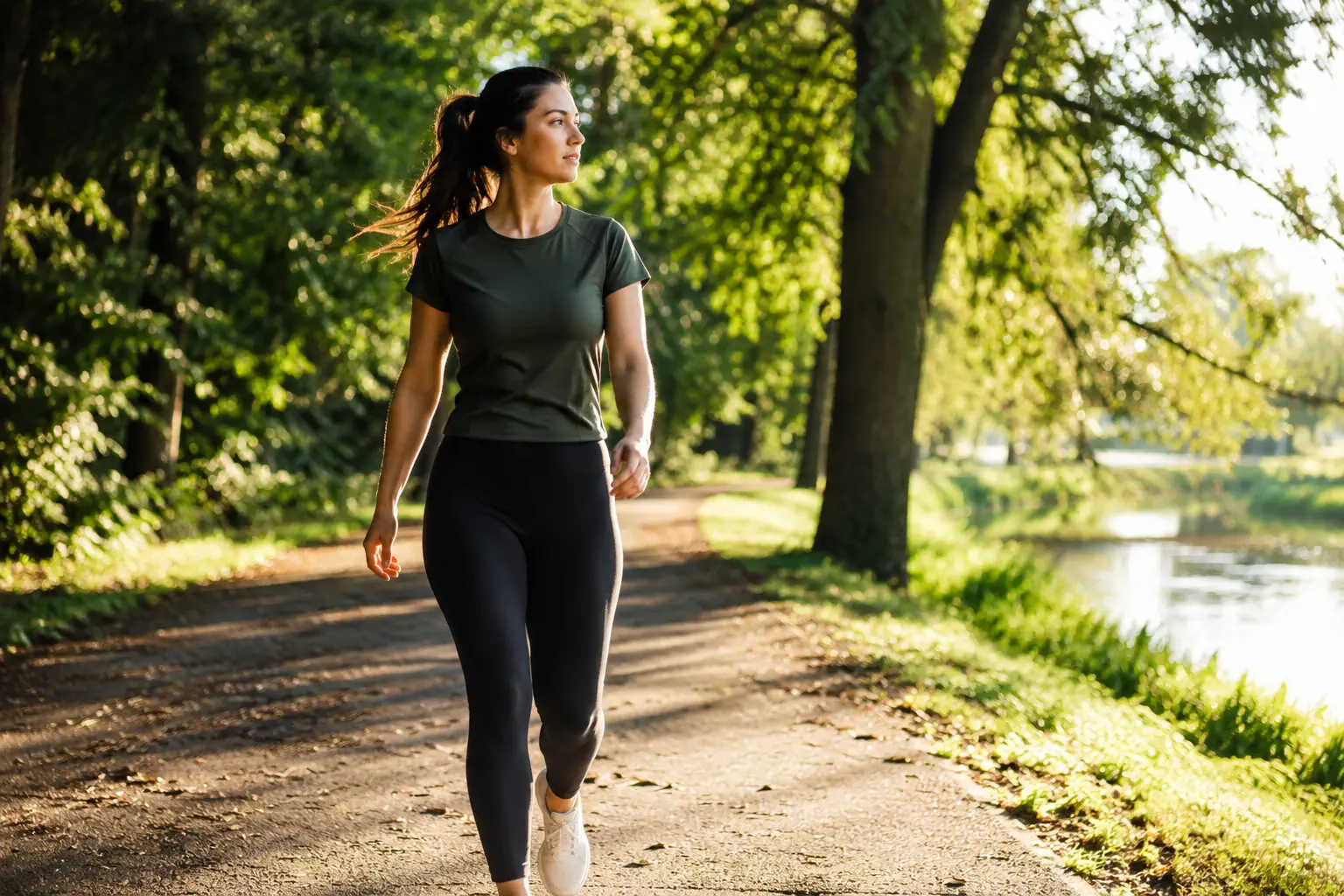
You finish eating and feel that familiar energy crash or bloating sensation, wondering if your body is handling that meal the way it should, but here’s the thing: walking after meals blood sugar control might be the simplest fix you haven’t tried yet.
The power of walking after meals
Walking after meals is more than just a casual stroll. It’s a direct intervention in how your body processes the food you just consumed. When you eat, your digestive system breaks down carbohydrates into glucose, which enters your bloodstream. Without movement, that glucose can spike rapidly, leaving you feeling jittery, fatigued, or craving more food within an hour. A post-meal walk changes this equation entirely. Your muscles become active glucose consumers, pulling sugar from your blood and using it for energy instead of letting it accumulate. Think of it this way: your muscles are like open doors that glucose wants to enter through. Walking opens those doors wide. Research shows that even a gentle 10-minute walk can reduce blood sugar spikes by up to 30 percent. For women specifically, this matters because hormonal fluctuations throughout the month can make blood sugar regulation even more challenging. By establishing this habit, you’re giving your body a consistent tool to manage glucose naturally, without medication or complicated interventions.
- Enhances insulin sensitivity, making your body more efficient in processing glucose
- Reduces post-meal blood sugar levels, preventing sudden spikes
- Boosts metabolism and aids in weight management
Timing matters: when to walk
The window of opportunity after eating is surprisingly specific. Ideally, you want to start moving within 15 to 30 minutes of finishing your meal, and the sooner the better. This is when your blood sugar is beginning to rise most rapidly, and that’s exactly when your muscles can intercept it most effectively. If you wait an hour or more, you’ve missed the peak intervention window. Picture this scenario: it’s lunch time, and you’ve just finished a sandwich and fruit. Your blood sugar is already climbing. If you sit at your desk for 45 minutes, that glucose spike will peak and potentially leave you feeling tired by mid-afternoon. But if you take a 15-minute walk around the block right after eating, you flatten that curve significantly. The timing doesn’t need to be perfect to the minute, but consistency matters more than precision. Make it part of your routine: finish eating, clear your plate, and step outside or walk around your home. This becomes automatic over time, requiring no willpower or planning. Even on busy days when a full walk isn’t possible, a 10-minute movement break after meals delivers measurable benefits.
📘 Fix your day in under 2 minuteschoose where to begin:
Overcoming barriers: tips for consistency
Knowing you should walk after meals and actually doing it are two different things. Life gets busy, weather changes, motivation fluctuates. The key to consistency is removing friction and building accountability. Start by choosing a route you genuinely enjoy. This isn’t punishment exercise. If you dread the walk, you won’t sustain it. Maybe it’s a quiet neighborhood street, a park with trees, or even a loop around your home. Invest in comfortable shoes designed for walking, not running. Proper footwear prevents pain and makes the habit feel sustainable rather than punishing. Consider inviting a friend or family member to join you. Having a walking buddy transforms this from a solo health task into social time, making it something you actually look forward to. You could also use a fitness tracker or simple phone app to log your walks and watch progress accumulate. Seeing that streak of consecutive days builds psychological momentum. Set realistic goals: aim for three or four post-meal walks per week initially, then expand from there. Perfection isn’t the goal; progress is. On days when a full walk isn’t feasible, even five minutes of movement counts. The barrier isn’t usually laziness; it’s usually just not having a clear plan. Write it down. Make it visual. Tell someone about it. These small accountability measures transform intention into habit.
Maximizing the benefits: intensity and duration
A leisurely stroll absolutely works, but you can amplify the results by varying your intensity. Start with a comfortable pace where you can hold a conversation. This is sustainable and effective for most people. After a few weeks, once the habit feels natural, experiment with adding intervals of slightly brisker walking. For example, walk normally for three minutes, then pick up the pace for one minute, then return to normal. These intervals challenge your muscles more, forcing them to consume glucose more aggressively. You don’t need to be breathless or exhausted; just noticeably more engaged. Duration matters too. Ten to 15 minutes is the minimum effective dose for blood sugar management. As you build fitness and the habit solidifies, gradually extend your walks to 20, 30, or even 45 minutes after larger meals. A woman who ate a substantial dinner with carbohydrates and protein might benefit from a 30-minute walk, while a lighter lunch might need only 15 minutes. Listen to your body. If you feel dizzy, overly fatigued, or experience pain, dial back the intensity. The goal is sustainable movement, not heroic effort. Track how you feel after walks. Many women report better energy levels, clearer thinking, and fewer cravings when they maintain this practice consistently.
Incorporating variety: mix it up
Doing the same walk on the same route every single day eventually becomes monotonous, and monotony kills motivation. Variety keeps your mind engaged and your body challenged. Rotate between different routes in your neighborhood or nearby areas. Explore local parks, nature trails, or waterfront paths. Vary the terrain too: flat sidewalks, gentle hills, trails with uneven ground. Different surfaces engage different muscle groups and make the walk feel fresh. You might walk around your neighborhood on Monday, explore a park on Wednesday, and try a new area on Friday. This rotation prevents boredom and gives you something to look forward to. Some women find that walking with different people on different days adds social variety too. Your partner might join you on weekends, a friend on Wednesdays, and you solo on other days. Each version feels slightly different and keeps the habit from becoming rote. You could also vary the time of day. A morning walk after breakfast feels different from an evening walk after dinner. Changing these variables transforms a health obligation into an exploration, making it something you choose to do rather than something you have to do. Over months and years, this variety is what keeps women engaged with the practice long-term.
Walking after meals is a natural way to regulate blood sugar levels, increase insulin sensitivity, and improve overall health. Timing, consistency, intensity, and variety are key factors in maximizing the benefits of post-meal walks.
How soon should I walk after a meal to regulate blood sugar effectively?
Ideally, aim to walk within 30 minutes of finishing your meal to help lower blood sugar spikes naturally. Walking at this time allows your body to utilize glucose efficiently, preventing sudden increases in blood sugar levels.
Can brisk walking after meals have a greater impact on blood sugar control?
Yes, incorporating intervals of brisk walking during your post-meal walks can increase the intensity and improve blood sugar regulation. Gradually increasing the duration of your walks and adding variation in terrain can further enhance the benefits.
Others also read:
Disclaimer: This article is for informational purposes only and is not a substitute for professional medical advice. Always consult a healthcare professional for personal guidance.
This guide has been prepared and reviewed by the GlobalHealthBeacon editorial team and reflects current medical research as of 2026. It provides structured, evidence-based information to support informed health decisions.
