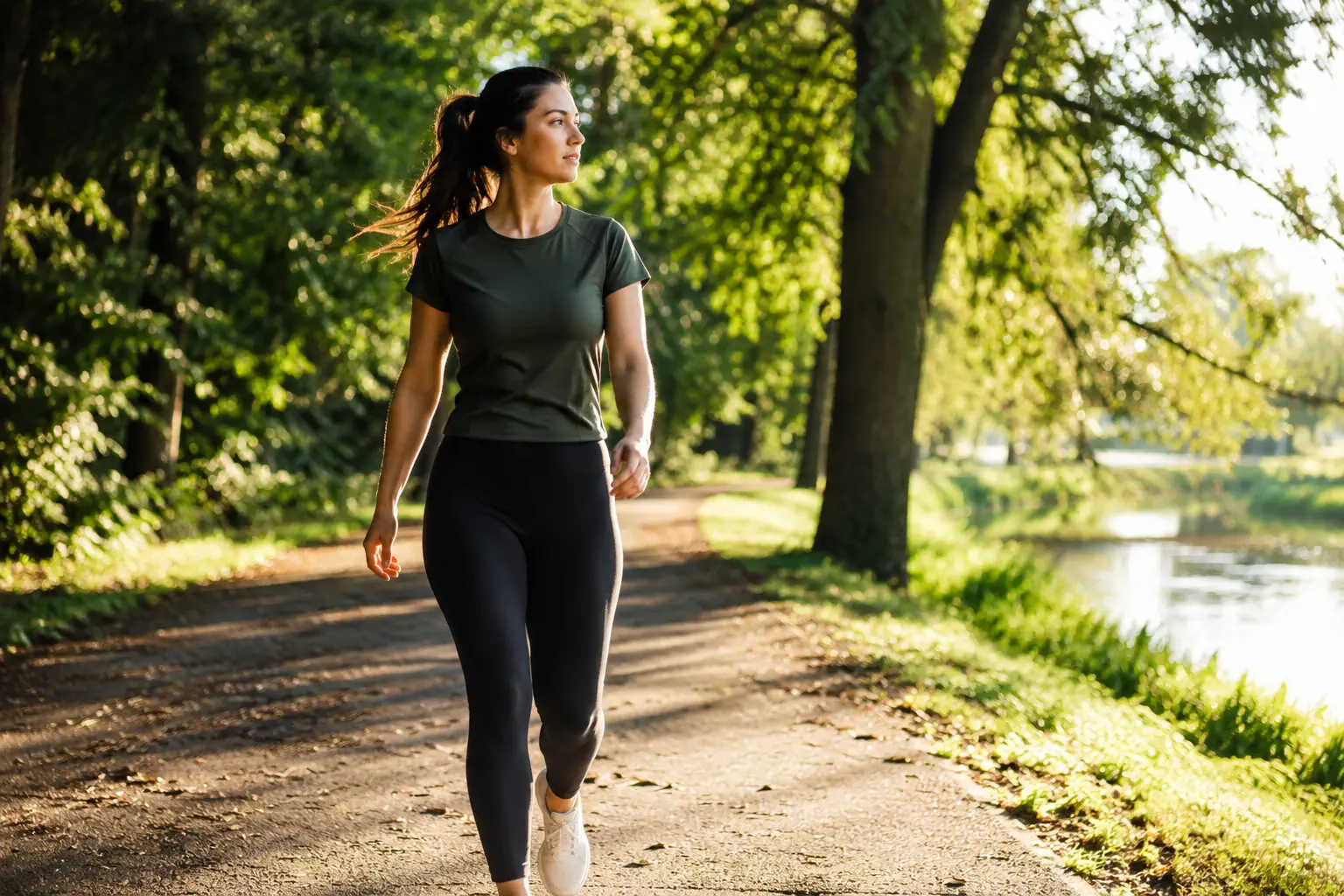
Your blood sugar spikes after lunch, you feel that energy crash by 3pm, and you’re stuck in a cycle of fatigue and cravings, but walking after meals blood sugar control might be the simple shift that changes everything.
How walking after meals impacts blood sugar levels
When you finish eating, your body faces a critical moment. Glucose floods into your bloodstream, and your pancreas scrambles to produce enough insulin to manage it. This is where post-meal walking enters the picture. The moment your muscles contract during a walk, they begin pulling glucose directly from your blood without requiring as much insulin. Think of it like opening multiple doors for glucose to exit the bloodstream simultaneously. Research shows that even a 10-minute walk can reduce blood sugar spikes by up to 22 percent. The mechanism is straightforward: muscle contractions activate glucose transporters, special proteins that act as gatekeepers, allowing glucose molecules to enter muscle cells for energy. Young adults who walk after meals essentially train their bodies to process carbohydrates more efficiently, preventing the dramatic peaks and valleys that leave you feeling exhausted or jittery.
Benefits of post-meal walking
The advantages extend far beyond just steadier blood sugar. When you walk after eating, you’re simultaneously improving insulin sensitivity, which means your cells become more responsive to insulin signals over time. This matters because insulin resistance is often silent, developing quietly before you notice any symptoms. Regular post-meal walking has been linked to lower postprandial glucose levels, reduced insulin resistance, and improved overall glycemic control. But there’s more. Young adults who adopt this habit often experience better weight management because stable blood sugar reduces cravings and prevents the overeating that follows energy crashes. You’ll likely notice improved focus during afternoon work hours, more stable moods, and reduced risk of developing type 2 diabetes down the line. Some people report sleeping better too, since blood sugar fluctuations can disrupt sleep quality. The cardiovascular benefits are real as well, strengthening your heart and improving circulation with minimal effort.
The mechanisms behind post-meal walking
Understanding how post-meal walking works at the cellular level helps explain why it’s so effective. First, walking stimulates muscle contraction, which activates GLUT4 transporters. These are glucose transporters that pull glucose from your bloodstream into muscle cells without requiring insulin signaling. Second, the physical activity signals your pancreas to moderate insulin secretion, preventing the excessive insulin spike that normally follows a meal. Your body learns to release just enough insulin to manage the glucose load. Third, walking enhances blood flow throughout your body, which improves oxygen delivery to cells and facilitates more efficient glucose transport and utilization. The timing matters significantly. Walking within 15 minutes of finishing a meal captures the glucose while it’s still entering your bloodstream, intercepting it before levels peak. This is why a post-lunch walk is often more effective than a walk taken an hour later. Additionally, the intensity and duration create a dose-response relationship, meaning longer or slightly more vigorous walks produce greater benefits.
- Take a 10-15 minute walk within 15 minutes of finishing your meal to optimize glucose interception.
- Maintain a moderate pace that elevates your heart rate slightly, around 3-4 miles per hour, to promote blood circulation and muscle glucose uptake.
- Include post-meal walks after your largest meals first, typically lunch and dinner, as a daily routine for optimal benefits and sustainable habit formation.
🔬 Science-backed benefits in 2 minuteschoose where to begin:
Scientific studies supporting post-meal walking
The evidence backing post-meal walking is surprisingly robust. A landmark study published in Diabetes Care found that just a 2-3 minute walk after meals reduced blood sugar spikes by up to 30 percent in people with type 2 diabetes. Another study from Diabetologia demonstrated that young adults without diabetes who walked for 15 minutes after meals showed significant improvements in insulin sensitivity within just two weeks. Research from the University of Limerick showed that breaking up sitting time with short walking bouts throughout the day reduced 24-hour blood glucose levels more effectively than a single longer exercise session. These findings matter because they show that you don’t need to commit to hour-long gym sessions. The benefits accumulate from small, consistent actions. Studies also highlight positive impacts on cardiovascular health, weight management, and mental well-being. The research suggests that the effect is most pronounced in people with insulin resistance or prediabetes, but young adults without these conditions still experience measurable improvements in metabolic health and energy stability.
Tips for effective post-meal walking
Making post-meal walking work for your life requires practical strategies. First, choose routes that are genuinely enjoyable and convenient, whether that’s a neighborhood loop, a park path, or even walking around your office building. The easier you make it to execute, the more likely you’ll stick with it. Wear comfortable shoes with good arch support to prevent foot fatigue or discomfort that might discourage you. Start with a moderate pace that feels sustainable, around 3-4 miles per hour, which allows you to walk and talk but not sing. Pay attention to your body’s signals and adjust intensity based on how you feel. If you’re recovering from illness or have joint concerns, start with slower walks and gradually build up. Consistency matters more than intensity, so aim for post-meal walks after at least two meals daily. Some young adults find success by pairing walks with accountability, whether that’s inviting a friend or family member to join, using a step counter, or simply marking off days on a calendar. Experiment with different times and routes to discover what feels sustainable for your lifestyle.
Making post-meal walking a habit
Transforming post-meal walking from an interesting idea into an automatic habit takes about 3-4 weeks of consistent practice. The key is anchoring it to existing routines. If you eat lunch at your desk, set a phone reminder for 5 minutes before you finish eating. If dinner is at 6pm, plan your walk for 6:10pm. This creates a predictable pattern your brain recognizes and eventually executes automatically. Start with just one meal, typically lunch, since it’s often the largest and most impactful. Once that feels natural, add dinner walks. Track your progress by noting how you feel during afternoon hours or by monitoring your energy levels. Many young adults report that after 4-6 weeks, the habit becomes self-reinforcing because they notice real improvements in focus, mood, and energy. The long-term benefits compound over months and years, reducing your risk of metabolic disease and supporting overall health. Remember that perfection isn’t required. Missing a walk occasionally won’t erase your progress. What matters is returning to the habit the next meal and maintaining consistency over time.
Post-meal walking positively influences blood sugar regulation by improving insulin sensitivity and glucose metabolism. This practice offers various benefits, supported by scientific evidence, making it a valuable habit for young adults aiming to maintain healthy blood sugar levels.
How soon should I walk after a meal to see the benefits?
Ideally, aim to take a walk within 10-15 minutes after finishing your meal to optimize the impact on blood sugar levels and insulin sensitivity.
Is walking after meals suitable for everyone, regardless of fitness level?
Yes, post-meal walking is a gentle exercise that can be adapted to individual fitness levels. It’s essential to start with shorter walks and gradually increase duration or intensity over time.
Others also read:
Disclaimer: This article is for informational purposes only and is not a substitute for professional medical advice. Always consult a healthcare professional for personal guidance.
This article has been prepared and reviewed by the GlobalHealthBeacon editorial team and is based on current medical research and published scientific literature available in 2026. It provides structured, evidence-based information to support informed health decisions.
