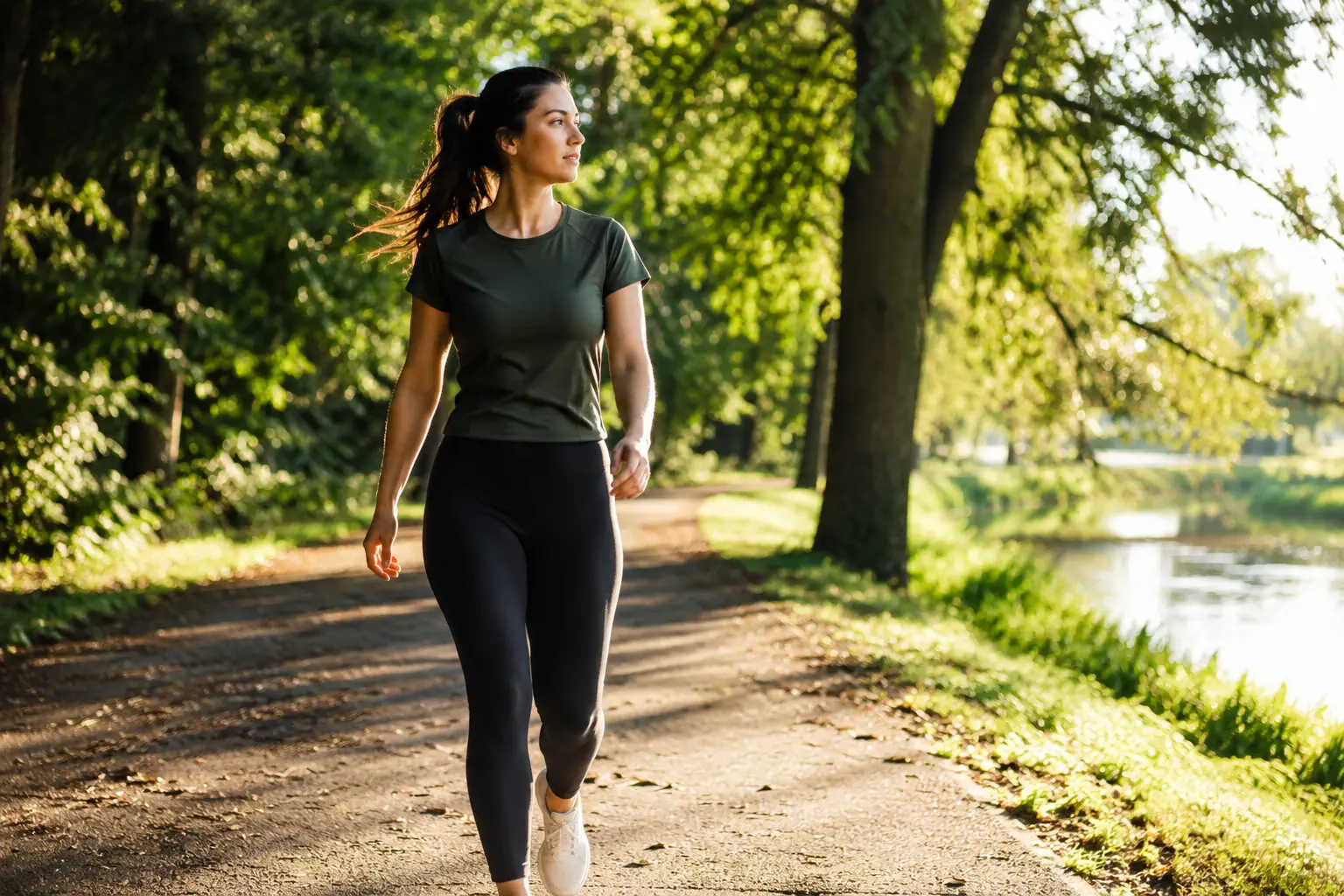
That post-lunch energy crash, the afternoon brain fog, the constant hunger that hits two hours after breakfast – you’re not imagining it, and walking after meals blood sugar control might be the simple shift that changes everything.
The science behind walking after meals
When you finish a meal, your digestive system springs into action, breaking down carbohydrates, proteins, and fats into glucose and other nutrients. Your blood sugar rises as glucose enters the bloodstream, triggering your pancreas to release insulin to help cells absorb that glucose for energy. Here’s where movement becomes crucial: muscle tissue is glucose-hungry. When you walk after eating, your muscles begin contracting and pulling glucose directly from your bloodstream without requiring as much insulin. This process, called glucose uptake, happens because muscle contractions activate glucose transporters that work independently of insulin signaling. Think of it like opening additional doors for glucose to enter muscle cells. Research shows that even a gentle 10-minute walk after a meal can reduce the peak blood sugar spike by up to 30 percent. The timing matters too. Walking within 15 minutes of finishing your meal captures glucose while it’s actively entering your bloodstream, making the effect most pronounced during this window.
Benefits of walking after meals for women
Women’s bodies respond distinctly to postprandial walking due to hormonal fluctuations throughout the menstrual cycle and differences in insulin sensitivity compared to men. Walking after meals has been shown to lower postprandial blood sugar levels, the spikes that occur after eating, which directly reduces the workload on your pancreas over time. This consistent reduction in blood sugar volatility can lower your risk of developing type 2 diabetes, a condition that disproportionately affects women in midlife and beyond. Beyond diabetes prevention, stable blood sugar means more consistent energy throughout your day, fewer afternoon crashes, and improved mental clarity. Women also report better mood stability and reduced cravings when blood sugar remains steady. Additionally, regular postprandial walking improves overall metabolic health by enhancing insulin sensitivity, meaning your body uses insulin more efficiently. This has cascading benefits for weight management, cardiovascular health, and even skin quality. The cumulative effect of these small walks compounds over weeks and months, creating meaningful shifts in how your body processes food and manages energy.
How to incorporate walking after meals into your routine
Starting a postprandial walking habit requires minimal planning but maximum consistency. Begin with your largest meal of the day, typically lunch or dinner, since these meals cause the most significant blood sugar spikes. Within 15 minutes of finishing eating, step outside or move through your home at a comfortable pace that elevates your heart rate slightly but still allows conversation. A brisk pace, around 3 to 4 miles per hour, optimizes glucose control by maximizing muscle engagement. Aim for 10 to 15 minutes initially, though even 5 minutes provides measurable benefits. Many women find that pairing their walk with a specific routine makes it stick: after dinner, walk around the block while listening to a podcast; after lunch, take a lap around the office or neighborhood. The key is removing friction from the decision. Lay out walking shoes by the door, set a phone reminder, or invite a friend to join you. Common mistakes include waiting too long after eating, which reduces effectiveness, or walking at too leisurely a pace. Also avoid skipping breakfast and lunch walks because you think only dinner matters. Each meal presents an opportunity to influence your blood sugar trajectory throughout the day.
- Take a 10-15 minute walk after each meal, starting within 15 minutes of finishing.
- Walk at a brisk pace of 3-4 miles per hour to maximize muscle glucose uptake.
- Make walking after meals a regular part of your daily routine by removing barriers and building consistency.
🔬 Science-backed benefits in 2 minuteschoose where to begin:
Research studies on walking after meals and blood sugar
Scientific evidence supporting postprandial walking has grown substantially over the past decade. A landmark study published in Diabetes Care found that three 2-minute walking breaks after meals reduced 24-hour blood sugar levels more effectively than a single 30-minute walk. Another study tracking women specifically showed that those who walked after meals had significantly lower HbA1c levels, a marker of average blood sugar control over three months. Research from the University of Limerick demonstrated that even light-intensity walking after meals reduced blood sugar spikes by 22 percent, while moderate-intensity walking reduced spikes by 30 percent. These findings emphasize that physical activity immediately after eating triggers distinct metabolic pathways compared to exercise at other times. The research also highlights that consistency matters more than intensity. Women who maintained postprandial walking for 12 weeks showed sustained improvements in insulin sensitivity and metabolic markers, suggesting this isn’t a temporary effect but a genuine metabolic adaptation.
Tips to enhance the benefits of walking after meals
Maximizing the impact of postprandial walking extends beyond the walk itself. Pairing your walks with nutrient-dense food choices amplifies benefits. Meals containing adequate protein and fiber slow glucose absorption naturally, giving your walk even more time to work. For example, a meal with grilled chicken, quinoa, and roasted vegetables triggers a gentler blood sugar rise than refined carbohydrates alone. Portion control also matters significantly. Smaller portions mean smaller blood sugar spikes, making your walk’s impact more noticeable. Hydration supports metabolic processes and helps your muscles access glucose efficiently, so drink water before and after your walk. Consider the timing of your meals too. Eating at consistent times helps regulate your body’s glucose response patterns. Some women find that a small glass of water or herbal tea 10 minutes before walking enhances the effect. Track how you feel during and after your walks. Energy levels, mood, and hunger patterns often improve within days, providing immediate feedback that the practice is working.
The bottom line on walking after eating
Walking after meals represents one of the simplest, most accessible interventions available for managing blood sugar naturally. For women navigating the complexities of hormonal health, metabolism, and long-term disease prevention, this practice offers tangible benefits without medication, special equipment, or significant time investment. The science is clear: muscle contractions during walking pull glucose from your bloodstream, reducing spikes and improving insulin sensitivity over time. When practiced consistently, postprandial walking becomes a cornerstone habit that influences not just blood sugar but energy, mood, weight, and overall metabolic resilience. The beauty of this approach lies in its simplicity and immediacy. You don’t need to wait for results or overhaul your entire lifestyle. Start tomorrow after your next meal. Walk for 10 minutes at a comfortable pace. Notice how you feel. Then do it again at your next meal. These small, repeated actions compound into meaningful metabolic changes that protect your health for decades to come.
Walking after meals helps women regulate blood sugar levels and improve metabolic health naturally through glucose uptake by muscles. Research supports the positive effects of postprandial walking on glucose control, insulin sensitivity, and long-term disease prevention.
Is walking after meals beneficial for women with diabetes?
Yes, walking after meals can help women with diabetes manage their blood sugar levels and improve insulin sensitivity by increasing glucose uptake in muscles. Research shows measurable reductions in postprandial blood sugar spikes. It is recommended to consult with a healthcare provider before starting any new exercise regimen, especially if you take diabetes medications.
How long should I walk after meals to see the benefits?
Taking a 10-15 minute walk after each meal can be sufficient to aid digestion and regulate blood sugar levels in women. However, research shows that even 5-minute walks provide measurable benefits. Adjust the duration based on your comfort and preferences, but consistency matters more than duration.
Others also read:
Disclaimer: This article is for informational purposes only and is not a substitute for professional medical advice. Always consult a healthcare professional for personal guidance.
This article has been prepared and reviewed by the GlobalHealthBeacon editorial team and is based on current medical research and published scientific literature available in 2026. It provides structured, evidence-based information to support informed health decisions.
