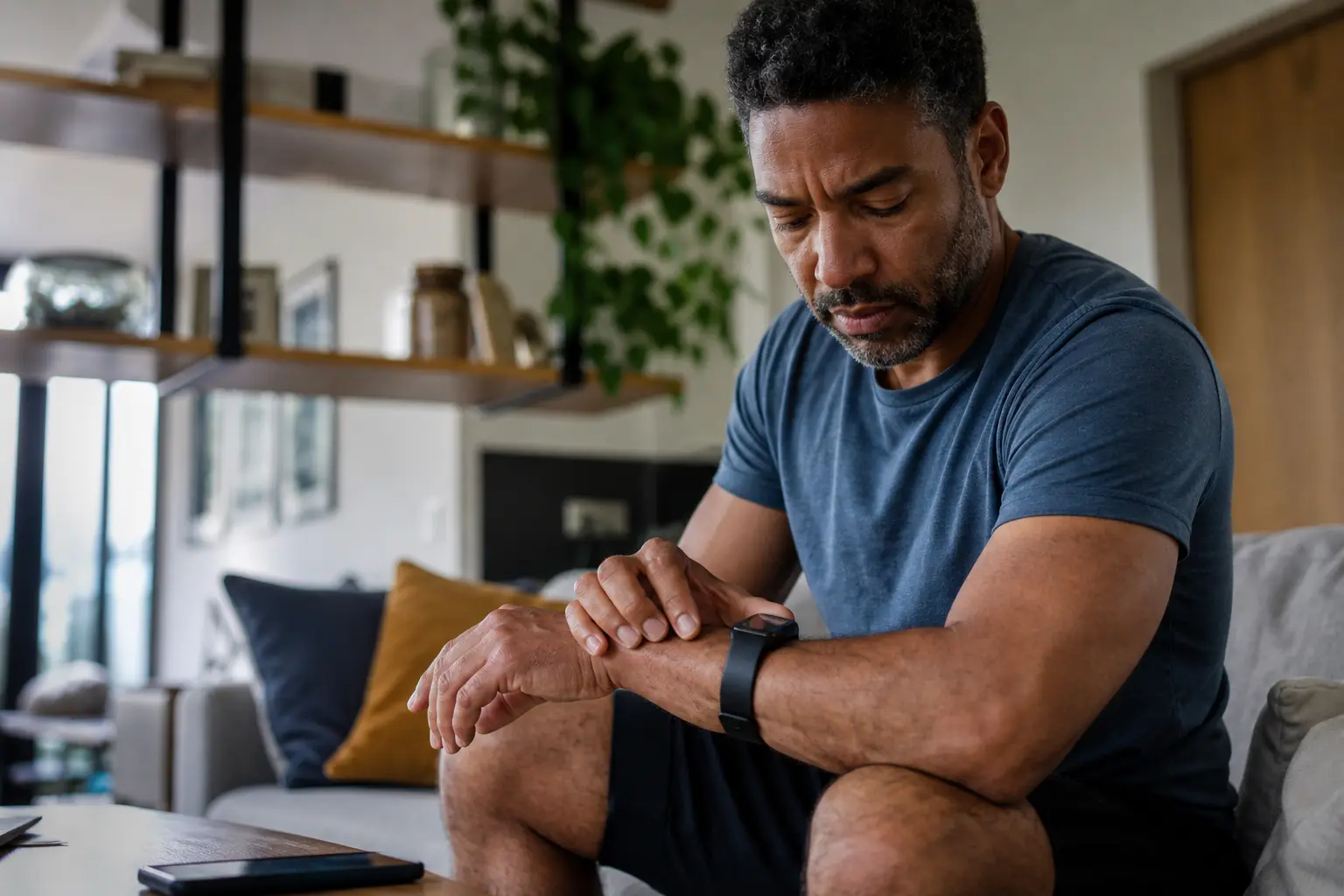
You’re staring at your wrist device wondering if those numbers actually mean anything, frustrated that you can’t tell if you’re truly making progress or just chasing meaningless data, and desperate to understand whether wearables preventive health accuracy is real or just marketing hype.
How wearables function in preventive health
Wearables operate through a sophisticated network of miniaturized sensors embedded in bands, watches, and patches that sit against your skin. These sensors detect subtle physiological signals like electrical impulses from your heart, changes in skin temperature, and movement patterns throughout the day. When you put on a fitness tracker, accelerometers measure how fast you’re moving, while optical sensors use light to detect blood flow changes. The device continuously samples this data, sometimes hundreds of times per second, then processes it through algorithms that translate raw sensor information into meaningful metrics. For instance, a smartwatch doesn’t directly measure your heart rate variability; instead, it detects the time intervals between heartbeats and calculates the variation. This real-time collection creates a continuous health narrative that traditional check-ups simply cannot provide, capturing what happens during your normal day rather than just a single moment in a doctor’s office.
Biological context of wearable data
Understanding what wearables actually measure requires knowing the biology behind those numbers on your screen. Heart rate variability, for example, reflects the communication between your nervous system and heart, with greater variation typically suggesting better stress resilience and cardiovascular flexibility. Sleep stage detection works by analyzing movement patterns and heart rate changes; during REM sleep your heart rate increases and movements become more frequent, while deep sleep shows the opposite pattern. Skin temperature fluctuations tracked by some devices relate to your circadian rhythm and metabolic activity, rising slightly before you wake and dipping during deep sleep. Step count seems simple but involves complex calculations about stride length and movement intensity. When you see your device report 8,000 steps, it’s actually interpreting acceleration data through algorithms trained on thousands of walking patterns. These biological markers offer a window into your body’s daily functioning, revealing stress responses, sleep quality, and activity distribution that you’d never notice consciously, though interpretation requires understanding that correlation doesn’t equal causation.
The role of wearables in preventive health monitoring
Wearables serve as personal health sentinels, continuously watching for patterns and anomalies that might warrant attention. Continuous tracking of vital signs creates a baseline unique to your body, making it easier to spot when something shifts from your normal. Early detection of irregularities becomes possible because you’re collecting data every single day, not just during annual appointments. This approach empowers users to make proactive health choices based on actual data rather than assumptions. Consider a woman who notices her resting heart rate gradually climbing over two weeks; this pattern might prompt her to evaluate stress levels, sleep quality, or whether she’s developing an infection. Another might discover that certain foods correlate with afternoon energy crashes by reviewing her activity and sleep data together. The real power lies in pattern recognition over time, something impossible with sporadic measurements. These devices don’t diagnose conditions, but they create awareness and provide concrete information to discuss with healthcare providers, shifting the conversation from vague symptoms to specific, measurable observations.
- Wear your device consistently, ideally 24/7, to gather accurate baseline data that reflects your true patterns rather than sporadic measurements.
- Review trends and patterns in your health metrics regularly, looking for changes over weeks and months rather than day-to-day fluctuations.
- Consult with a healthcare professional for interpretation of data, bringing your device or screenshots to discuss what patterns might mean for your individual health.
🔬 Science-backed benefits in 2 minuteschoose where to begin:
Comparisons to traditional health monitoring
Traditional health monitoring relies on periodic snapshots, typically an annual physical where a nurse takes your blood pressure once and a doctor listens to your heart for thirty seconds. Wearables offer something fundamentally different: a continuous stream of data that captures your actual daily life rather than a single moment in a clinical setting. Your blood pressure naturally fluctuates throughout the day based on stress, caffeine, sleep, and activity, so a single reading tells you almost nothing about your typical patterns. Wearables reveal these patterns, showing whether your heart rate consistently spikes during work hours or whether your sleep quality improves on weekends. This dynamic approach allows subtle changes to become visible before they develop into serious problems. A woman might notice her resting heart rate creeping up over months, something a yearly checkup would miss entirely. However, wearables and traditional monitoring serve different purposes; a wearable won’t replace blood work or imaging studies, but it provides context and early warning signs that can prompt timely professional evaluation. The ideal approach combines both, using wearable insights to inform more targeted clinical assessments.
Accuracy of wearable data
Wearable accuracy varies significantly depending on the metric, the device, and how you use it. Heart rate measurement during steady-state activity like walking is generally quite accurate, often within 5-10 beats per minute of clinical monitors. During high-intensity exercise, accuracy drops because movement artifacts interfere with optical sensors, and individual factors like skin tone, tattoos, and wrist hair affect light penetration. Sleep stage detection is less precise than heart rate; studies show wearables often overestimate deep sleep and underestimate light sleep, though they’re reasonably accurate at distinguishing sleep from wakefulness. Step counting becomes less reliable on treadmills or when pushing a stroller, as the device may misinterpret arm movements. Environmental factors matter too; cold temperatures can reduce sensor sensitivity, and loose device placement creates gaps in data collection. Individual variability is significant; what works accurately for one person might be less precise for another due to differences in physiology, skin characteristics, and movement patterns. Rather than viewing wearables as definitive measurements, think of them as trend indicators. A 10% variation in step count matters less than recognizing that your weekly average has declined, which might signal illness or overtraining.
Evaluating the utility of wearables
The real value of wearables emerges when you understand both their capabilities and limitations, then use them intentionally within a broader health strategy. A woman tracking her menstrual cycle alongside sleep and activity data might discover that her sleep quality dips during certain cycle phases, helping her plan important events or adjust expectations accordingly. Someone managing a chronic condition like diabetes can use continuous glucose monitors paired with activity tracking to understand how exercise affects their blood sugar. The key is moving beyond passive data collection to active interpretation. Simply accumulating numbers means nothing; the utility comes from asking questions like: What patterns emerge? When do I feel best? How do specific behaviors affect my metrics? Combining wearable data with professional medical advice creates a comprehensive approach where your device becomes a conversation starter with your doctor rather than a replacement for medical judgment. Wearables work best when integrated into your existing healthcare relationship, providing objective information that enhances rather than substitutes for professional expertise.
Wearables offer continuous insight into your body’s daily functioning through sophisticated sensor technology and biological measurement. Understanding how they work, what they actually measure, and where their limitations exist allows you to use them effectively as part of preventive health awareness rather than as diagnostic tools.
Are wearables accurate in measuring heart rate?
Wearables can provide fairly accurate heart rate estimates during steady activities like walking or resting, typically within 5-10 beats per minute of clinical devices. However, accuracy decreases during high-intensity exercise due to movement artifacts, and individual factors like skin tone and wrist hair affect optical sensor performance. They work best for tracking trends rather than precise clinical measurements.
Can wearables detect serious health conditions?
Wearables can flag potential irregularities like unusual heart rate patterns or sleep disruptions that might warrant professional evaluation, but they are not diagnostic tools. They complement rather than replace medical diagnosis and should always be discussed with healthcare providers who can interpret findings in context of your complete health picture.
Others also read:
Disclaimer: This article is for informational purposes only and is not a substitute for professional medical advice. Always consult a healthcare professional for personal guidance.
This article has been prepared and reviewed by the GlobalHealthBeacon editorial team and is based on current medical research and published scientific literature available in 2026. It provides structured, evidence-based information to support informed health decisions.
← Back to the Main page on: wearables preventive health accuracy
