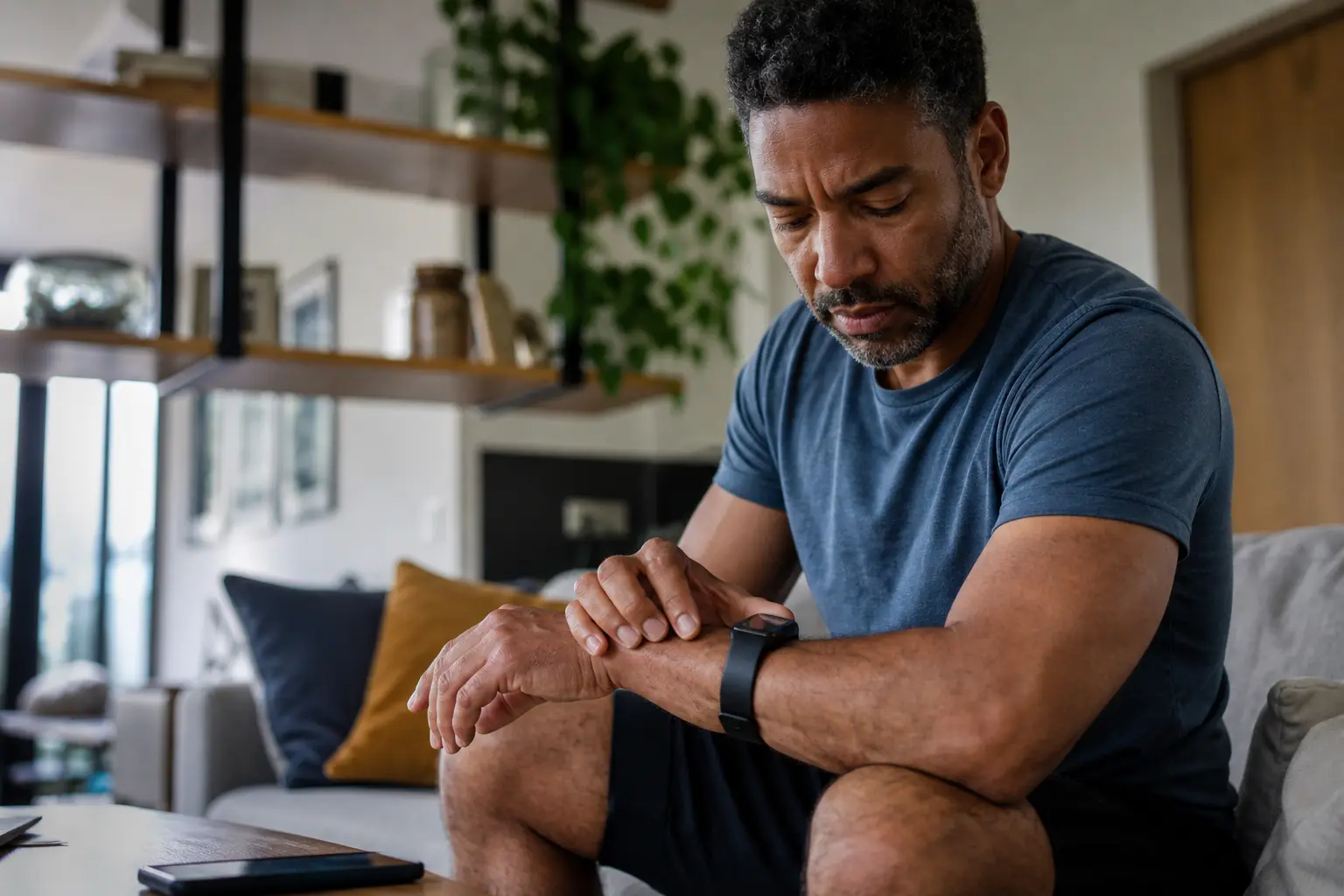
You’re tired of guessing whether your heart rate is normal, wondering if you’re moving enough, or feeling like you’re missing warning signs about your health – but wearables preventive health accuracy research finally shows you don’t have to wonder anymore.
Benefits of wearables in preventive health
Wearables have fundamentally changed how seniors can engage with their own health data. Imagine waking up and immediately knowing your heart rate, sleep quality, and how many steps you took yesterday without visiting a doctor. These devices provide continuous monitoring that would have been impossible just a decade ago. For a 68-year-old managing multiple health concerns, a smartwatch or fitness tracker becomes like having a personal health assistant on your wrist. Real-world scenarios show seniors catching irregular heart rhythms early, noticing patterns in their sleep disruption that correlate with stress or medication changes, and gaining motivation to increase daily movement. The convenience factor matters enormously – seniors don’t need to remember to manually log data or schedule frequent clinic visits for routine monitoring. Instead, the device quietly collects information throughout the day and night, creating a comprehensive picture of their baseline health. This continuous stream of data empowers individuals to make informed lifestyle adjustments before small issues become serious problems.
Accuracy of wearables for seniors
Scientific research consistently demonstrates that modern wearables can measure heart rate, step count, and sleep duration with reasonable accuracy when compared to clinical-grade equipment. Studies published in peer-reviewed journals show that optical heart rate sensors in smartwatches typically achieve accuracy within 5-10 beats per minute of medical-grade monitors during normal activity. However, accuracy varies depending on several factors specific to seniors. Skin tone, tattoos, loose skin, and poor circulation can affect optical sensors. Movement artifacts during exercise may introduce errors. Sleep tracking relies on movement patterns rather than brain activity, so the data represents an estimate rather than a precise measurement. A 72-year-old with arthritis might find accelerometer-based step counting less accurate if their gait is irregular. Despite these limitations, the devices excel at trend detection – noticing when your average heart rate is creeping upward or when sleep quality is declining. This trending capability often matters more than absolute accuracy for preventive health purposes. Manufacturers continue refining sensor technology, and newer models show improved performance in diverse populations.
How to choose the right wearable for senior health tracking
Selecting a wearable requires thinking through your specific health priorities and lifestyle. Start by identifying which metrics matter most to you. Are you primarily concerned about heart rhythm irregularities, daily activity levels, or sleep quality? Someone with a family history of atrial fibrillation might prioritize devices with advanced heart rhythm notifications, while another person focused on staying active might value detailed step and distance tracking. Battery life becomes critically important for seniors who may forget daily charging routines – look for devices lasting at least 5-7 days between charges. Interface simplicity cannot be overstated. A beautiful touchscreen means nothing if navigating menus causes frustration. Test devices in-store if possible, checking whether buttons are easy to press with arthritic hands and whether text displays are readable without magnification. Consider whether the companion smartphone app is intuitive or overwhelming. Some seniors prefer devices that work independently without constant app checking. Water resistance matters if you swim or shower with the device. Price varies dramatically, from budget options around 50 dollars to premium models exceeding 400 dollars. Mid-range devices often provide excellent value for seniors starting their wearable journey.
- Identify your primary health concerns and which metrics matter most for your situation.
- Compare battery life across models, aiming for at least 5-7 days between charges.
- Test the physical interface for ease of use with your hands and vision capabilities.
- Review the smartphone app design for simplicity and whether it matches your comfort level with technology.
- Check water resistance ratings if you plan to wear the device during water activities.
- Read independent reviews specifically mentioning accuracy for your age group and health profile.
🔬 Science-backed benefits in 2 minuteschoose where to begin:
Challenges and limitations
Wearables provide valuable health insights, but they operate within real constraints that seniors should understand clearly. These devices measure physical signals, not diagnoses – a high heart rate reading doesn’t tell you why your heart is racing or whether it requires medical attention. Many seniors make the mistake of over-interpreting data or becoming anxious about normal variations. Your heart rate naturally fluctuates with stress, caffeine, temperature, and activity level. Wearables cannot detect everything. They excel at measuring movement and heart rate but struggle with blood pressure, blood glucose, and other critical metrics that require different sensor types. Accuracy degrades during irregular activity patterns common in seniors – tremors, shuffling gaits, or assisted movement can confuse accelerometers. Battery drain accelerates in cold weather, affecting reliability during winter months. Most importantly, wearables should complement professional medical care, never replace it. A device showing normal readings doesn’t mean you should skip your annual physical. Conversely, an unusual reading warrants professional evaluation rather than self-diagnosis. The technology works best when integrated thoughtfully into your existing healthcare relationship.
Future of wearables in senior health
The wearable landscape is evolving rapidly with technologies that could dramatically improve senior health monitoring. Researchers are developing non-invasive glucose sensors that could help seniors with diabetes avoid finger pricks. Advanced algorithms using artificial intelligence are learning to detect atrial fibrillation, falls, and cognitive changes before they become obvious to the wearer. Flexible sensors that conform to skin are replacing rigid bands, improving comfort for extended wear. Multi-sensor fusion combines data from several sources to increase accuracy and reduce false alarms that frustrate users. Pharmaceutical companies are exploring smart pills and ingestible sensors that monitor internal conditions directly. Battery technology improvements promise week-long or month-long charge cycles, eliminating daily charging frustration. Integration with home environments is expanding – wearables will communicate with smart home systems to adjust lighting if fall risk increases or alert family members to concerning patterns. Regulatory frameworks are strengthening, requiring manufacturers to validate accuracy claims in diverse populations including older adults. These advances suggest that within five years, wearables could provide seniors with unprecedented insight into their health trajectories.
Integration of wearables into senior lifestyle
Owning a wearable is just the beginning – the real benefit emerges when you actually use the data to inform daily decisions. Many seniors purchase devices with enthusiasm but abandon them within weeks because they don’t know how to translate data into action. Start by establishing a simple routine. Check your device once daily, perhaps during morning coffee, reviewing yesterday’s activity and sleep. Notice patterns rather than obsessing over individual readings. If you consistently sleep poorly on nights after stressful events, that’s actionable information. If your step count drops significantly, ask yourself why and whether you can address the underlying cause. Share relevant data with your healthcare provider during appointments – bring screenshots or summaries showing trends over weeks or months. Some doctors find this information helpful for adjusting medications or lifestyle recommendations. Use the motivational features built into most devices. Seeing a visual representation of your daily steps or weekly activity can inspire you to take an extra walk. Set realistic goals based on your current baseline rather than comparing yourself to younger people or unrealistic standards. Consider involving family members – some devices allow sharing data with trusted contacts who can provide encouragement or notice concerning changes. The most successful seniors treat their wearable as a conversation partner in their health journey, not as a judge of their worth.
Research demonstrates that wearables can accurately track heart rate, activity, and sleep patterns for seniors, offering valuable insights into health trends and daily patterns. While these devices have meaningful limitations and should never replace professional medical care, they excel at continuous monitoring and trend detection. Choosing the right wearable requires evaluating your specific health priorities, device usability, and battery life. Understanding both capabilities and constraints helps seniors use wearables effectively as part of a comprehensive approach to preventive health. Ongoing technological advances promise improved accuracy and expanded monitoring capabilities in coming years.
Are wearables a reliable tool for senior health monitoring?
Wearables can provide reasonably accurate data on heart rate, activity, and sleep for most seniors, typically within 5-10% of clinical measurements. They excel at detecting trends and patterns rather than providing absolute precision. However, they should always complement professional medical advice, not replace it. Accuracy varies based on individual factors like skin tone, circulation, and movement patterns.
What should seniors consider when choosing a wearable device?
Evaluate which health metrics matter most for your situation, prioritize battery life of at least 5-7 days, test the physical interface for ease of use with your hands, review the smartphone app for simplicity, check water resistance if needed, and read reviews specifically mentioning accuracy for your age group. Start with mid-range devices that balance features and affordability.
Others also read:
Disclaimer: This article is for informational purposes only and is not a substitute for professional medical advice. Always consult a healthcare professional for personal guidance.
This article has been prepared and reviewed by the GlobalHealthBeacon editorial team and is based on current medical research and published scientific literature available in 2026. It provides structured, evidence-based information to support informed health decisions.
← Back to the Main page on: wearables preventive health accuracy
