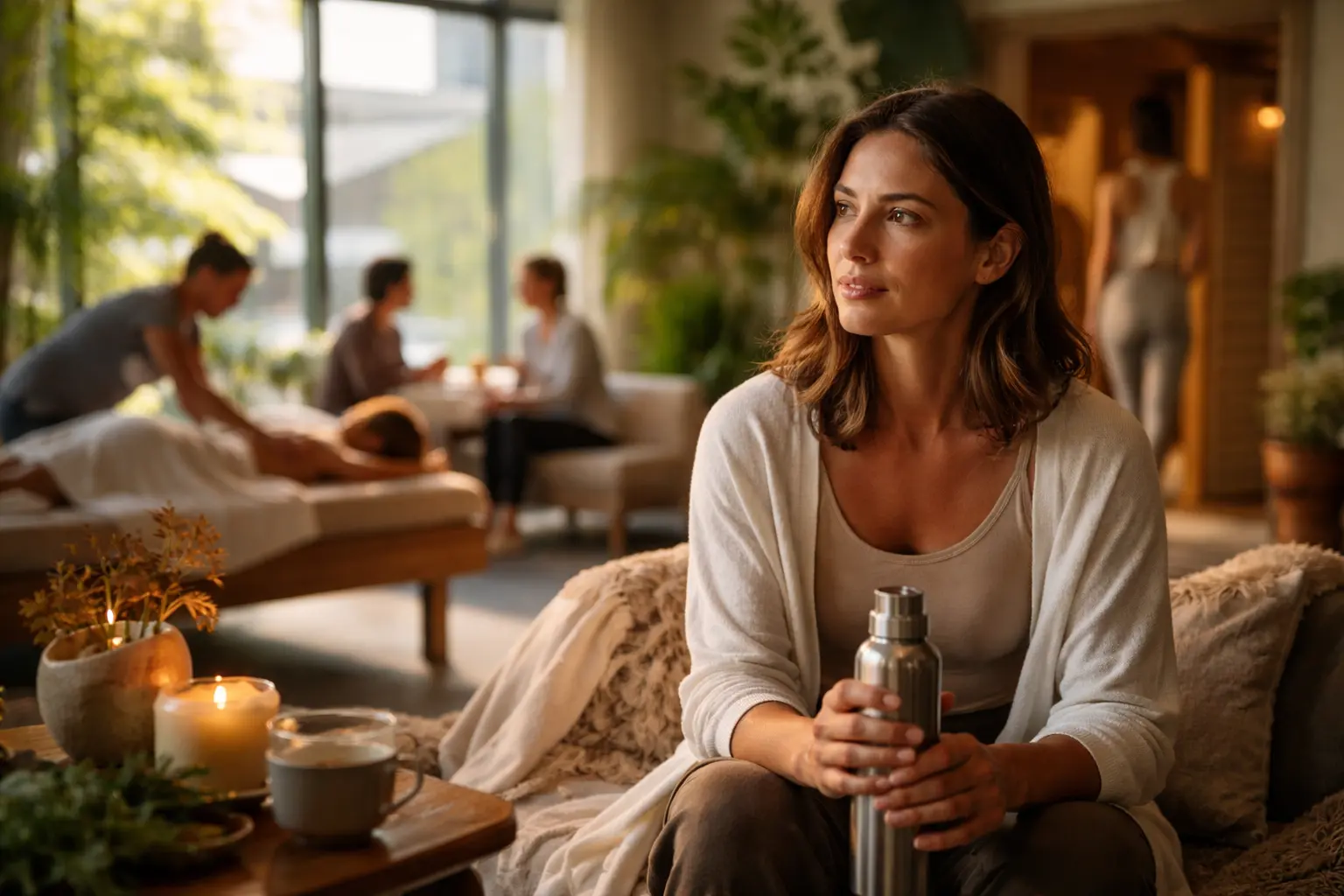
You’re exhausted, your body feels off, and you have no idea where to start fixing it because mainstream healthcare keeps treating you like a checkbox instead of a person with real needs.
Personalized care tailored to women’s needs
Women’s bodies operate differently at every life stage, yet most healthcare settings treat symptoms in isolation rather than addressing the interconnected systems at play. Wellness centers designed specifically for women recognize this reality. They understand that hormonal fluctuations affect mood, energy, sleep quality, and metabolism simultaneously. A woman in her late thirties experiencing irregular periods might also struggle with anxiety and weight gain, but these issues rarely get connected in traditional medical settings. Specialized wellness centers take a different approach. They map out your complete health picture, including family history, lifestyle patterns, stress levels, and reproductive health timeline. This means a practitioner might identify that your fatigue stems not just from low iron but from hormonal imbalance combined with inadequate sleep and chronic stress. The personalization goes beyond diagnosis. Your nutrition plan accounts for your menstrual cycle. Your fitness recommendations consider your bone density needs and injury history. Your mental health support acknowledges the specific pressures women face. This integrated approach transforms how you experience healthcare.
- Comprehensive women’s health screenings and preventive care
- Specialized programs for reproductive health and menopause management
- Nutritional guidance and fitness plans tailored for women’s bodies
Empowering women through education and support
Knowledge becomes power when you understand your own body’s signals. Many women reach adulthood without truly grasping how their hormones work, what normal menstrual health looks like, or how to recognize early warning signs of imbalance. Wellness centers fill this gap through structured education programs. You learn about your menstrual cycle phases and how they affect your energy and mood. You discover which nutrients your body actually needs during different life stages. You understand what happens during perimenopause so you’re not blindsided by symptoms. Beyond individual learning, these centers create spaces where women share experiences and strategies. A woman struggling with postpartum anxiety connects with others who’ve navigated the same path. Someone managing PCOS finds practical meal planning tips from peers and professionals. These support networks normalize conversations that often stay silent. The educational resources extend beyond classes too. Many centers provide written guides, video libraries, and one-on-one consultations where you can ask questions without feeling rushed. This combination of structured learning and peer support transforms confusion into confidence, helping you make informed decisions about your health rather than defaulting to whatever your doctor suggests.
📘 Fix your day in under 2 minuteschoose where to begin:
Stress reduction and mental health support
Chronic stress doesn’t just affect your mood; it rewires your nervous system and disrupts your hormones, sleep, digestion, and immune function. Women often absorb stress from multiple directions simultaneously: work pressure, family responsibilities, relationship dynamics, and societal expectations. Wellness centers recognize that managing this requires more than occasional therapy sessions. They offer integrated stress-reduction programs combining evidence-based approaches. Guided meditation classes teach you to activate your parasympathetic nervous system, the biological brake that counters constant fight-or-flight activation. Breathwork sessions provide tools you can use during your workday when anxiety spikes. Progressive muscle relaxation helps you identify where you hold tension and release it. Many centers also provide access to licensed therapists or counselors who specialize in women’s mental health issues like postpartum depression, anxiety disorders, and trauma. Some offer group therapy sessions where you realize your struggles aren’t unique or shameful. The combination of preventive stress management and targeted mental health support creates a safety net. You’re not waiting until you’re in crisis to get help. Instead, you’re building resilience gradually, learning to recognize early stress signals, and having resources immediately available when you need them.
Community engagement and social connections
Isolation amplifies health struggles. When you’re managing a chronic condition, navigating a life transition, or simply feeling disconnected from your body, being alone with those experiences intensifies the burden. Wellness centers create built-in community through group classes, workshops, and social events. You attend a yoga class and meet another woman managing similar health challenges. You join a nutrition workshop and discover someone else is frustrated with the same dietary restrictions. These casual connections often deepen into genuine friendships. Beyond formal programming, wellness centers foster belonging through their physical and cultural environment. Staff members know your name and remember details about your health journey. Other members recognize you and ask how you’re doing. This sense of being known and valued has measurable health benefits. Research shows that social connection strengthens immune function, reduces inflammation, and improves mental health outcomes. For women specifically, community often provides practical support too. Members share childcare recommendations, exchange recipes that work with their health needs, or simply listen without judgment when you’re having a difficult day. This social fabric transforms wellness from an isolated individual pursuit into a shared experience.
Access to alternative therapies and holistic healing
Conventional medicine excels at treating acute problems and diagnosing disease, but it often falls short for chronic conditions, preventive care, and the subtle imbalances that make you feel unwell without showing up on standard tests. This is where alternative and complementary therapies fill a crucial gap. Acupuncture, rooted in thousands of years of practice, addresses pain, hormonal imbalance, and digestive issues through a completely different framework than Western medicine. Massage therapy releases physical tension while improving circulation and lymphatic drainage. Herbal medicine offers plant-based support for everything from irregular periods to sleep problems. Meditation and breathwork calm your nervous system without medication. The key is that these therapies work alongside conventional care, not instead of it. A woman managing migraines might use acupuncture to reduce frequency while taking prescribed medication. Someone with anxiety might combine therapy with herbal support and yoga. Wellness centers offering these options provide a comprehensive toolkit. You’re not limited to one approach. You can experiment under professional guidance to discover what actually works for your unique body. This integration of conventional and alternative approaches acknowledges that healing rarely follows a single path. Your wellness center becomes a place where multiple healing modalities coexist, allowing you to build a personalized strategy that addresses your whole self.
Wellness centers offer personalized care tailored to women’s needs, empower women through education and support, provide stress reduction and mental health services, foster community engagement, and offer access to alternative therapies for holistic healing.
What types of services are commonly offered at wellness centers for women?
Wellness centers for women typically offer a range of services including preventive care, reproductive health management, nutritional guidance, mental health support, stress reduction programs, and alternative therapies.
How can women benefit from joining a wellness center?
Women can benefit from joining a wellness center by receiving personalized care, accessing educational resources, getting support for mental health issues, connecting with a supportive community, and exploring alternative therapies for holistic healing.
Disclaimer: This article is for informational purposes only and is not a substitute for professional medical advice. Always consult a healthcare professional for personal guidance.
This guide has been prepared and reviewed by the GlobalHealthBeacon editorial team and reflects current medical research as of 2026. It provides structured, evidence-based information to support informed health decisions.
